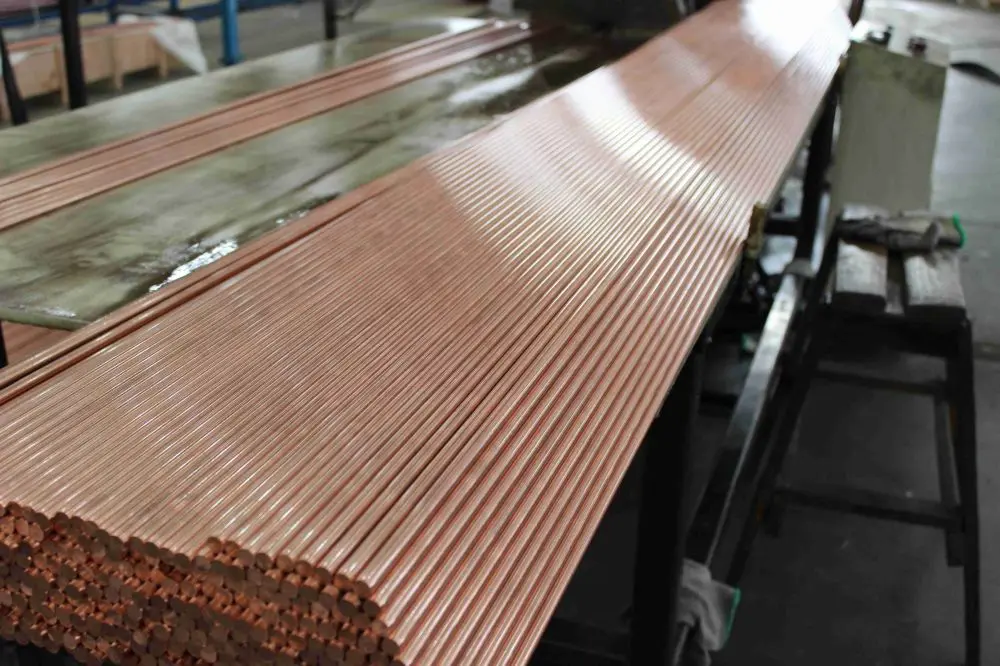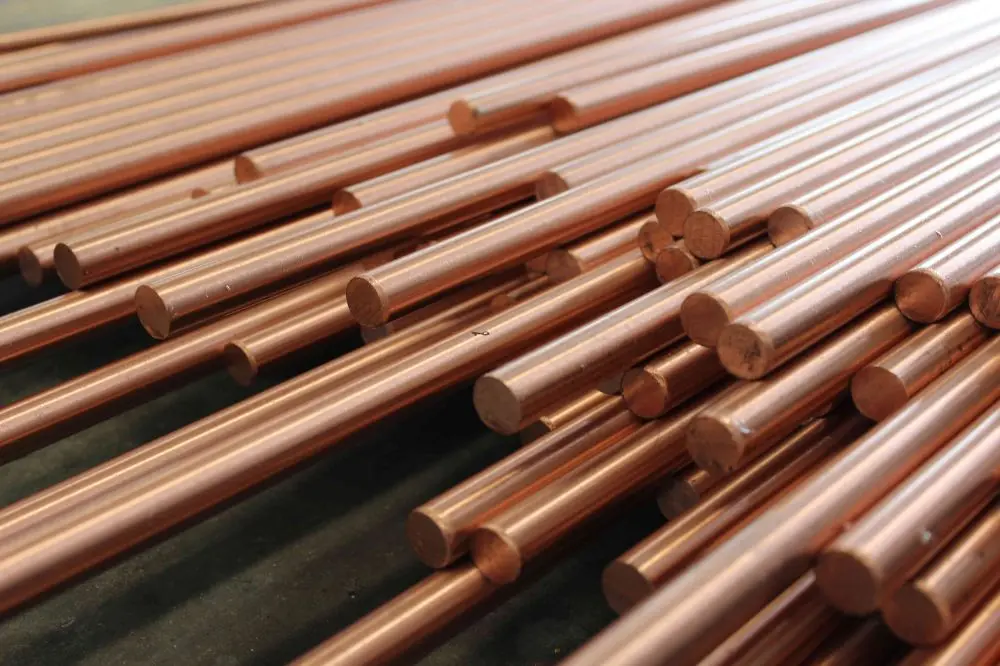
OEM High performance oxygen free copper Manufacturer, Suppliers

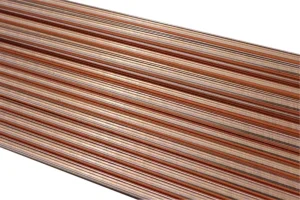
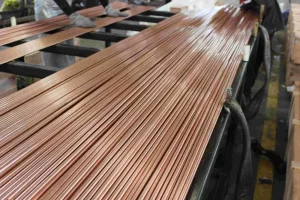
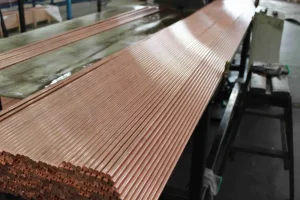
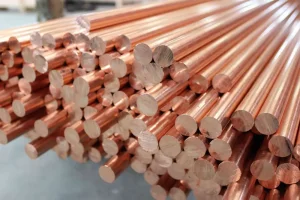
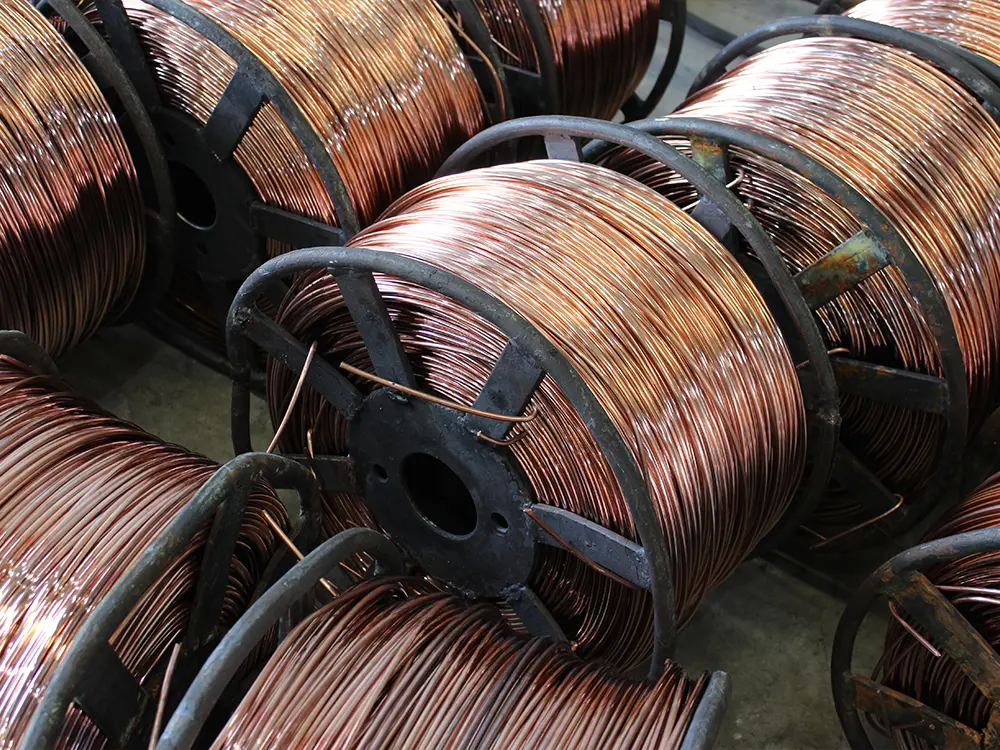
Oxygen-free Copper, whose English name is oxygen-free copper, refers to pure copper that contains no Oxygen and no residues of any deoxidizer. However, in actual production, due to process limitations, oxygen-free copper still contains very trace amounts of oxygen and some impurities. According to the standard regulations, the oxygen content of oxygen-free copper shall not exceed 0.003%, the total impurity content shall not exceed 0.05%, and the purity of copper shall be greater than 99.95%. According to the differences in oxygen content and impurity content, oxygen-free copper is further classified into No. 1 (C10100) and No. 2 (C10200) oxygen-free copper. The purity of oxygen-free copper No. 1 is as high as 99.97%, with the oxygen content and total impurity content not exceeding 0.003% and 0.03% respectively. The purity of oxygen-free copper No. 2 is 99.95%, and the oxygen content and total impurity content do not exceed 0.005% and 0.05% respectively.

Product Description

Uses of Oxygen-Free Copper

Oxygen-free copper has been widely used in many fields due to its excellent performance.
⚡ Electronics Industry

Often processed into plates, strips, and wires for manufacturing cables, batteries, motors, microwave tubes, and transistor components. Its high conductivity ensures device reliability.

🌡️ Heat Dissipation

With excellent thermal conductivity, it is widely used in radiators and heat exchangers that require efficient heat conduction.

🔧 Pipe Materials

Highly favored for water supply, gas supply, and heating systems due to its high strength and superior corrosion resistance.

🏗️ High-Pressure Equipment

Ideal for chemical industry manufacturing where stability and high strength are required for high-temperature and high-pressure equipment.

🔬 Precision Instruments

Used in electric vacuum instruments, coaxial tubes for liquefied petroleum gas, and specialized medical gas oxygen tubes.
Advantages of Oxygen-Free Copper

💎
High Electrical Conductivity: Reaches 100% IACS (International Annealed Copper Standard), providing a significant advantage for efficient energy transmission in wires and cables.
🛡️
Corrosion Resistance: In salt spray tests, its resistance is three times stronger than ordinary copper, making it ideal for harsh environments like submarine cables.
💪
High Strength: Features excellent processing performance and can withstand significant mechanical stress for structural and connecting components.
🔥
Excellent Thermal Conductivity: When used in heat sinks, the thermal conductivity efficiency can be increased by up to 25% compared to standard materials.
Frequently Asked Questions
Q1: What is the main characteristic of oxygen-free copper?

The main characteristics include extremely high electrical and thermal conductivity, excellent corrosion resistance, and high purity with minimal oxygen content.

Q2: How does oxygen-free copper compare to ordinary copper in conductivity?

Oxygen-free copper reaches 100% IACS, which is significantly more efficient for electrical transmission than standard grades of copper.

Q3: Is oxygen-free copper suitable for marine environments?

Yes, its corrosion resistance is three times higher than ordinary copper, making it perfect for long-term use in salt spray and submarine applications.

Q4: Why is it used in the electronics industry?

It is used because it provides high efficiency and reliability for components like vacuum tubes, transistors, and high-performance cables due to its purity.

Q5: Can oxygen-free copper improve heat dissipation?

Absolutely. Using oxygen-free copper in heat sinks can increase thermal conductivity efficiency by approximately 25% compared to regular materials.

Q6: What industrial equipment benefits most from this material?

High-temperature and high-pressure equipment in the chemical industry, as well as precision medical gas delivery systems, benefit most from its stability and strength.
Related Products