Direct factory-level supply of high-grade copper alloys tailored to resist extreme environmental conditions, severe mechanical stresses, and high-temperature oxidation in Saharan oilfield applications.
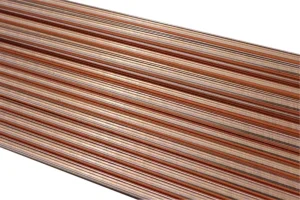
High-conductivity heat-treatable alloy designed for structural stability and superior electric performance in Libya oil-drilling and welding assemblies.
View Details →
Precipitation-hardened formulation optimized for heavy electrical switches, resistance welding components, and energy transmission systems across Tripoli and Misrata.
View Details →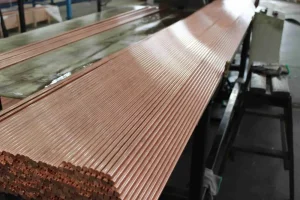
Premium purity conductive copper with exceptional electrical and thermal conductivity, ideal for power generation networks under the General Electricity Company of Libya (GECOL).
View Details →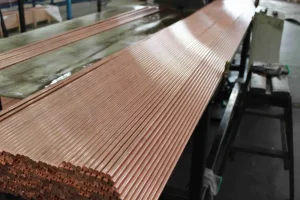
Exhibits elevated yield strength and high thermal conductivity. The ideal raw material for plunger tips, casting dies, and high-stress downhole drilling assemblies.
View Details →As Libya enters an era of extensive infrastructure rehabilitation, power generation reconstruction, and deep-well oil field exploration, the reliance on high-performance alloys has surged. The Sirte Basin, Murzuq Basin, and Pelagian Basin host major oil extraction sites where drilling and processing operations operate under high pressure and intense Saharan heat. Ordinary copper or steel materials succumb to fatigue, thermal stress, and galvanic corrosion in these environments. This is where Beryllium Cobalt Copper (primarily C17500 and C17510) becomes indispensable.
Libya's energy sector—overseen by the National Oil Corporation (NOC) and executed by local joint ventures—requires materials that satisfy the stringent safety regulations of explosive-hazard zones. Since Beryllium Cobalt Copper offers non-sparking properties while retaining mechanical strength matching high-strength steels, it is widely utilized for heavy-duty switchgear, blow-out preventer (BOP) components, and geophysical survey instrumentation. Additionally, coastal water desalination installations in Tripoli, Misrata, and Benghazi utilize these alloys for heat exchanger terminals due to their high corrosion resistance against salt spray and marine fouling.
Critical for oil and gas wellheads, refining plants, and fuel terminal operations in Libya, protecting facilities from destructive atmospheric ignitions.
Delivers up to 60% IACS electrical conductivity even at constant working temperatures above 300°C, typical of Sahara desert industrial environments.
Specifically manufactured to withstand coastal saline corrosion and abrasive desert sands, extending the lifespan of precision machinery parts.
To support Libyan engineering procurement managers in selecting the ideal alloy composition, we provide an authoritative comparison of physical properties under precision precipitation heat treatment.
| Alloy Grade | UNS Number | Chemical Composition | Electrical Conductivity (% IACS) | Tensile Strength (MPa) | Hardness (HRB) | Primary Industrial Use Case in Libya |
|---|---|---|---|---|---|---|
| Beryllium Cobalt Copper | C17500 | Be: 0.4-0.7%, Co: 2.4-2.7%, Cu: Bal. | 45 - 60 | 680 - 960 | 90 - 100 | Heavy-duty electrical switches, contact blocks, resistance welding jaws. |
| Copper-Nickel-Beryllium | C17510 | Be: 0.2-0.6%, Ni: 1.4-2.2%, Cu: Bal. | 45 - 60 | 680 - 1000 | 92 - 102 | Downhole oilfield drilling components, plunger tips in die casting machinery. |
*Note: Heat-treatment status (typically TF00 or TH04) dictates the final mechanical properties. We guarantee absolute uniformity across all distributed batches, certified by raw material mill tests.
Exporting industrial materials to Libya requires a thorough understanding of the local financial and logistical infrastructure. Our export team coordinates directly with major banking institutions in Tripoli and Benghazi to facilitate the Letter of Credit (LC) mechanism under the supervision of the Central Bank of Libya (CBL).
We prepare all critical document dossiers, including the Certificate of Origin (attested by the Arab-Chinese Chamber of Commerce), clean Bill of Lading, comprehensive packing list, and third-party inspection certifications from recognized agencies such as SGS, Intertek, or TÜV to ensure quick customs clearance at the ports of Tripoli, Khoms, and Misrata.
Libyan inland transport routes, passing through sub-Saharan regions to reach southern oilfields, subject cargo to extreme thermal fluctuations and abrasive dust.
To counter these issues, all Beryllium Cobalt Copper profiles, rods, and sheets are wrapped in anti-corrosive vacuum sealing, packed with moisture-absorbing desiccants, and enclosed in heavy-duty, steel-reinforced wooden crates. This ensures that the alloy surfaces remain oxidized-free and free of surface scratches upon delivery to your project site.
Focus on high conductivity and high strength free cutting tellurium copper, beryllium alloys, and custom copper solutions.
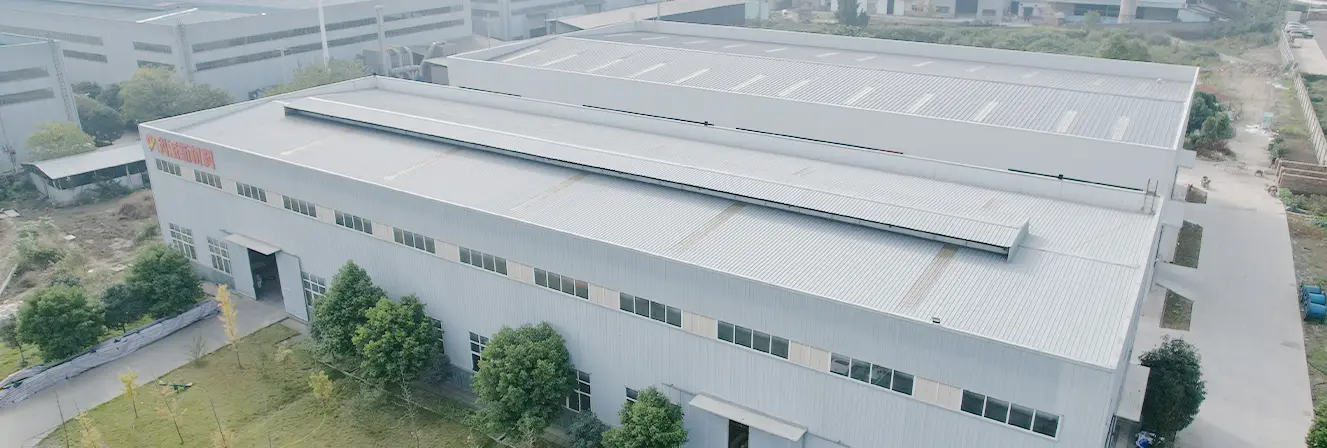
Established in May 2017, Sichuan Kepai New Materials Co., Ltd. is a high-tech private company specializing in the R&D, production, and sales of high-conductivity, high-strength free-cutting tellurium copper and other special copper alloys. Our modern manufacturing base features vacuum induction furnaces, horizontal continuous casting systems, drawing lines, and comprehensive spectroscopic quality control suites.
By integrating advanced alloying technologies with high-purity raw materials, we provide international markets with alloys that replace expensive Western alternatives while matching or exceeding ASTM, EN, and JIS standards.
Founded
Factory Space
Patents



Production Footprint (sqm)
Global Industrial Clients
Max Electrical Conductivity (% IACS)
SGS / RoHS Compliance Tested
Exploring how Beryllium Cobalt Copper alloys drive efficiency, reliability, and safety across key Libyan industrial applications.

Used in shielding components and high-precision sensors for oncology and magnetic imaging units across Libyan regional hospitals in Tripoli, preventing signal noise.
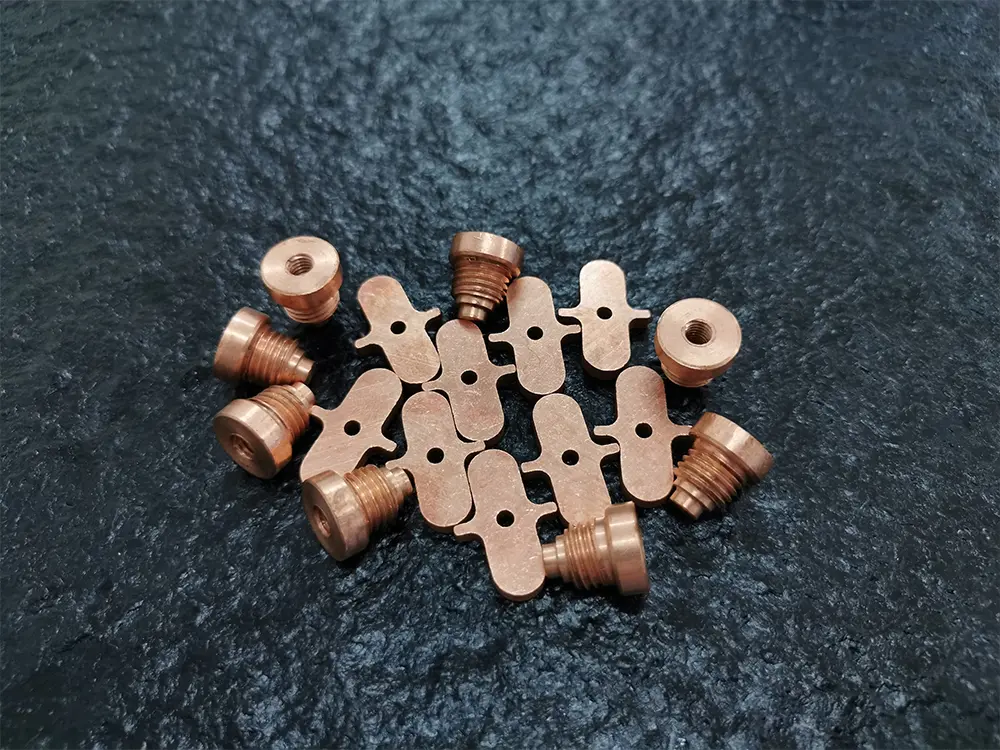
Integrating C17500 contact alloys into municipal electrical distribution boxes and pilot commercial EV charging centers to minimize thermal runaway under high Saharan ambient heat.

Crucial for manufacturing specialized non-magnetic connectors and drill collar components exposed to harsh oil field drilling fluids and high geological pressure gradients.
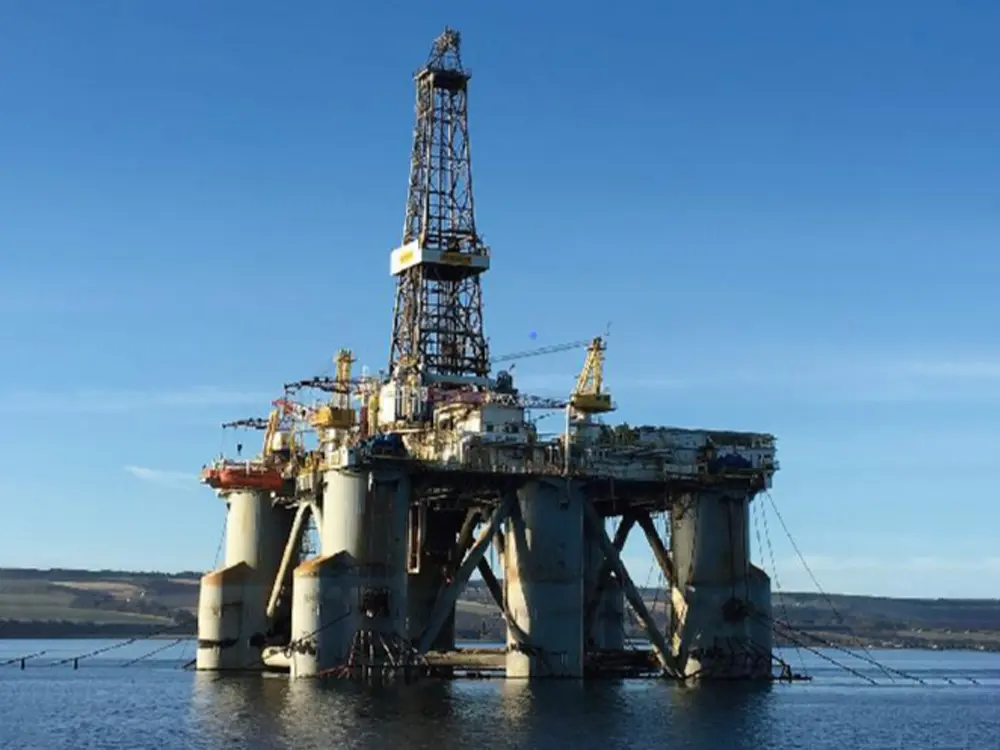
Leveraging seawater corrosion resistance and anti-biofouling performance in Mediterranean offshore gas terminals, heat exchangers, and coastal desalination pipes.
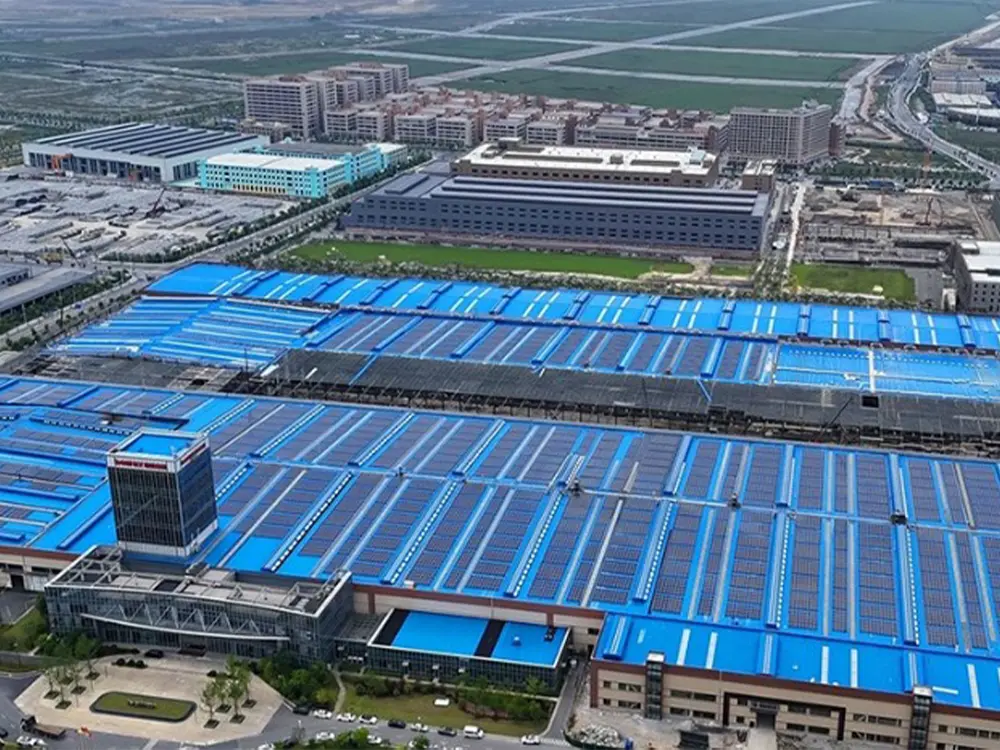
Used in automated automotive manufacturing and steel fabrication shops in Misrata Free Zone to ensure high durability and clean weld joints under severe production speeds.

Enabling optimized busbars and heavy duty link-points in off-grid solar energy banks powering agricultural irrigation projects in the Fezzan desert.
Find answers to key technical questions and supply chain variables faced when buying high-performance copper alloys.
In Libyan oilfields, ambient temperatures regularly exceed 45°C, causing conventional copper to lose its tensile strength and deform under mechanical load. C17500 Beryllium Cobalt Copper is precipitation-hardened, allowing it to maintain mechanical properties up to 300°C without significant degradation in electrical or thermal conductivity. It is also non-sparking, making it safe for explosive gas zones.
Every production lot of Beryllium Cobalt Copper is subjected to spectrographic, ultrasonic, and mechanical testing in our in-house facility. We supply a Mill Test Certificate (MTC) conforming to EN 10204 3.1, detailing chemical composition, conductivity, hardness, and tensile properties. Third-party testing by agencies like SGS is available upon request prior to export.
We support standard Letters of Credit (L/C at sight) to comply with Central Bank of Libya regulations. We also accept Telegraphic Transfer (T/T). Standard shipping terms include FOB (Shanghai/Shenzhen), CFR, or CIF to major ports including Tripoli, Misrata, and Khoms.
For standard stock dimensions (rods, bars, plates), processing and packing take 7 to 10 days. Custom extrusions or heat treatments take approximately 20 to 30 days. Shipping transit from major Chinese ports to the main Libyan ports averages 35 to 45 days, depending on route conditions.
Yes, our alloys comply with international environmental requirements. While beryllium in its particulate form requires appropriate dust control during machining, the solid alloy forms do not pose health risks under normal usage. We supply safety data sheets (SDS) and processing guidelines to help you handle the material safely.
Explore our full line of specialized tellurium copper, oxygen-free copper, phosphor bronze, and leaded alloys manufactured for high-stress applications.
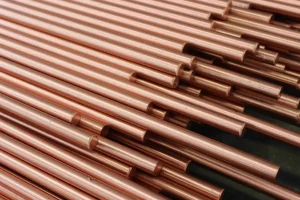
Combines high electrical conductivity with free-machining properties, perfect for mass producing connectors and electrical contactors.
View Details →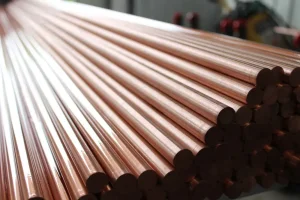
Provides resistance to hydrogen embrittlement. Ideal for high-vacuum electronics, industrial busbars, and power transmission networks.
View Details →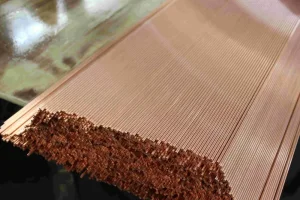
Proprietary alloy formulations designed for high-amperage switches, laser nozzles, and plasma torch electrodes in metal fabrication workshops.
View Details →
Precision-drawn bars and rods optimized for CNC machining, helping local fabricators minimize tool wear.
View Details →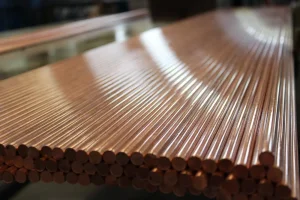
Technical profiles featuring low arc adhesion and high thermal dissipation properties for heavy industrial contact terminals.
View Details →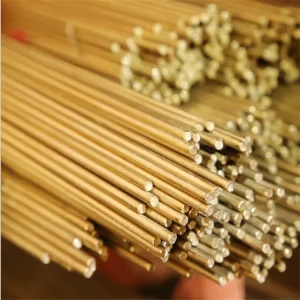
Free-cutting brass rods with good strength and corrosion resistance. Ideal for industrial hardware, plumbing valves, and fittings.
View Details →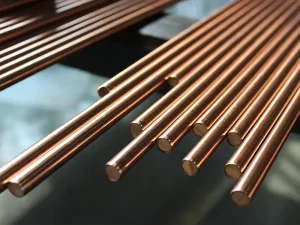
Widely used for manufacturing gas cutting tips, electrical components, and industrial fittings requiring high conductivity.
View Details →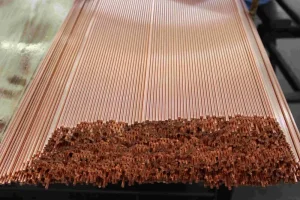
High electrical conductivity (100% IACS minimum), suitable for earthing bars, transformer components, and local power infrastructure.
View Details →Sichuan Kepai New Materials Co., Ltd. provides high-performance copper alloys to industrial operations throughout Libya, from the Sirte Basin oil fields to municipal power grids.
Send Inquiry Now Kepai New Material