Explore our premium selection of highly specialized non-ferrous alloys manufactured to international standards.
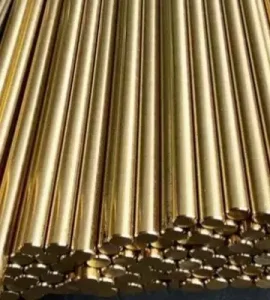
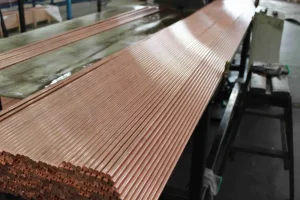
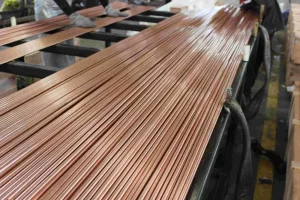

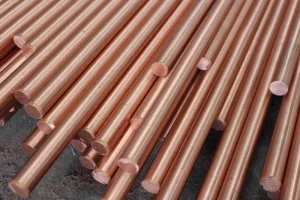
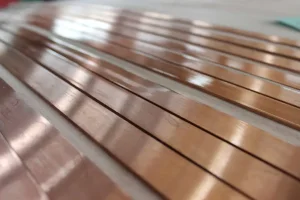
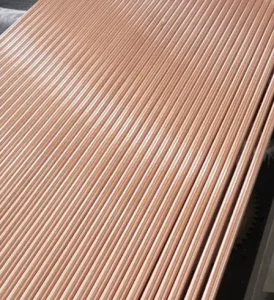
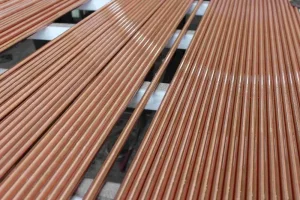
Focus on high conductivity and high strength free cutting tellurium copper and other copper alloys
Established in May 2017, Sichuan Kepai New Materials Co., Ltd. is a high-tech private company specializing in the R&D, production, and sales of high-conductivity, high-strength free-cutting tellurium copper, and other specialized copper-nickel formulations.
We leverage customized alloy processing technology to cater to advanced fields such as electric vehicle components, marine industrial connectors, and aerospace electronics.



Unveiling market dynamics, metallurgical advancements, and high-stakes applications of copper-nickel chemistry.
Nickel-Copper alloys (commonly referred to as Cupronickels, including 90/10 and 70/30 mixtures) hold a paramount position in marine infrastructure. The addition of nickel significantly increases the material's resistance to high-velocity sea water erosion, biofouling, and stress corrosion cracking. This performance is vital for offshore gas platforms, desalination heat exchangers, and naval shipbuilding programs worldwide.
For high-voltage energy transmission, the integration of nickel-silicon precipitation systems (such as C19160 CuNiSiCr and C17510) bridges the historic gap between ultimate mechanical strength and electrical conductivity. These alloys undergo solution and aging heat treatments to yield excellent spring characteristics and high conductivity, necessary for electric vehicle (EV) charging interfaces.
With tightening environmental and safety parameters, the global defense sector requires non-sparking, wear-resistant materials. Modern submarine hulls, cryogenic processing plants, and defense aerospace harnesses rely on copper-nickel-based structures to provide reliability in sub-zero and highly corrosive conditions, driving strict procurement protocols.
As mechanical specifications evolve, manufacturers adapt to strict purity demands and environmental criteria.
The global push towards net-zero carbon operations requires massive upgrades to power grid infrastructures. High-conductivity copper alloys are essential for building efficient wind turbines, solar storage banks, and electric powertrain contacts, directly cutting down operational thermal losses.
Precision control of trace elements (like chromium, tellurium, zirconium, and silicon) allows manufacturers to design tailor-made properties. Impurities are minimized to prevent localized crack propagation and maximize electrical performance to near theoretical limits.
With regulations like REACH and RoHS, the global copper market is shifting from leaded brasses to advanced free-cutting alternatives. Solutions like tellurium copper and sulfur copper are stepping in to fill this gap, offering comparable machinability with a cleaner footprint.
Aligning engineering specifications with specific industrial manufacturing goals.
Combining the high electrical conductivity of pure copper with outstanding free-cutting properties. Ideal for CNC high-speed machining of electrical relays, welding nozzles, and plasma cutting tips. Maintains up to 93% IACS electrical conductivity.
Represented by C17200 and C17300. Known for yielding the highest strength of all copper-based materials after age hardening, with high wear resistance, making it suitable for aerospace bushings, oilfield instrumentation, and durable spring connectors.
Optimized for sliding wear systems and heavy-load bearings. The uniform dispersion of lead particles acts as a built-in solid lubricant, preventing seizing and localized heat generation in high-speed rotary assemblies.
Alloys like C17500 and C17510. Designed for applications requiring high thermal conductivity alongside robust mechanical properties, such as resistance welding electrodes and plastic injection mold cores.
An alternative free-machining copper alloy. Provides excellent electrical and thermal conductivity while enabling fast tool speeds and longer tool life during precision machining operations, without the bioaccumulation issues associated with lead.
Featuring C19160. Strengthened via nickel-silicide precipitation. Excels in applications demanding high tensile strength, resistance to softening at elevated temperatures, and good conductivity—ideal for smart grid relays.
Providing targeted material solutions across diverse geographic and structural environments.
Operating in high-salinity and high-temperature environments, desalination systems require marine-grade cupronickels. Our alloys are formulated with controlled iron and manganese additions to build a stable protective oxide film, resisting chloride attack.
Meeting European automotive standards requires high-current charging pins that limit heat buildup. Our ultra-high-conductivity tellurium copper solutions prevent thermal runaway in high-power charging networks across the EU.
For semiconductor testing pins and miniaturized spring components, we supply ultra-thin beryllium copper foils with tight dimensional tolerances. These foils provide reliable spring performance through millions of operational cycles.
Innovating next-generation non-ferrous materials for the challenges of tomorrow.
Refining the recrystallization temperatures of nickel-copper-silicon frameworks by introducing trace elements of zirconium and chromium. This approach boosts the softening temperature past 500°C without lowering electrical conductivity.
Integrating induction melting systems with clean-burning hydrogen protection atmospheres to eliminate oxygen and hydrogen entrapment, producing high-purity copper and nickel alloys with extremely low inclusion counts.
Developing spherical alloy powders designed specifically for metal 3D printing (LPBF). These powders will enable the direct printing of complex heat exchangers and conformal cooling channels for aerospace applications.
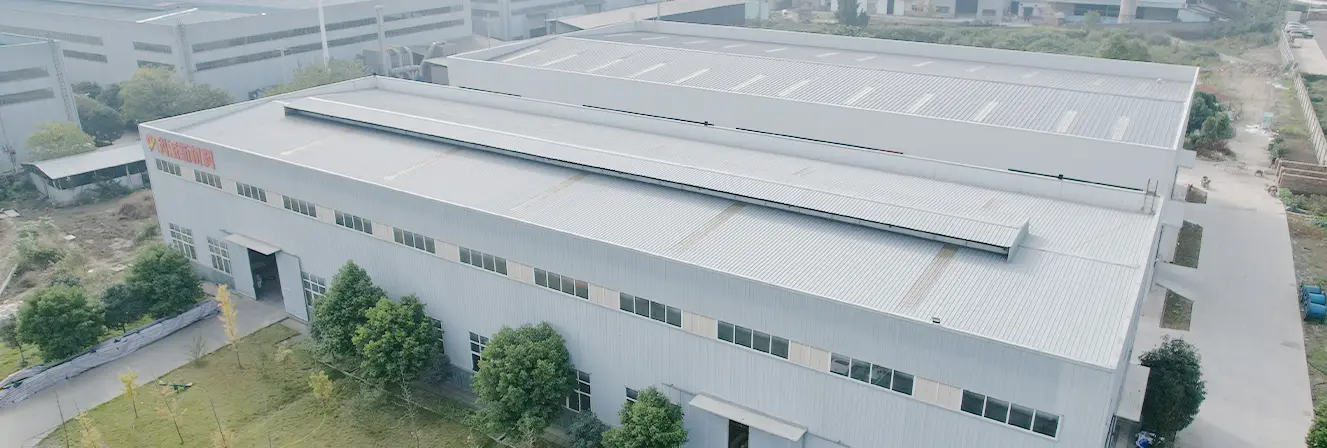
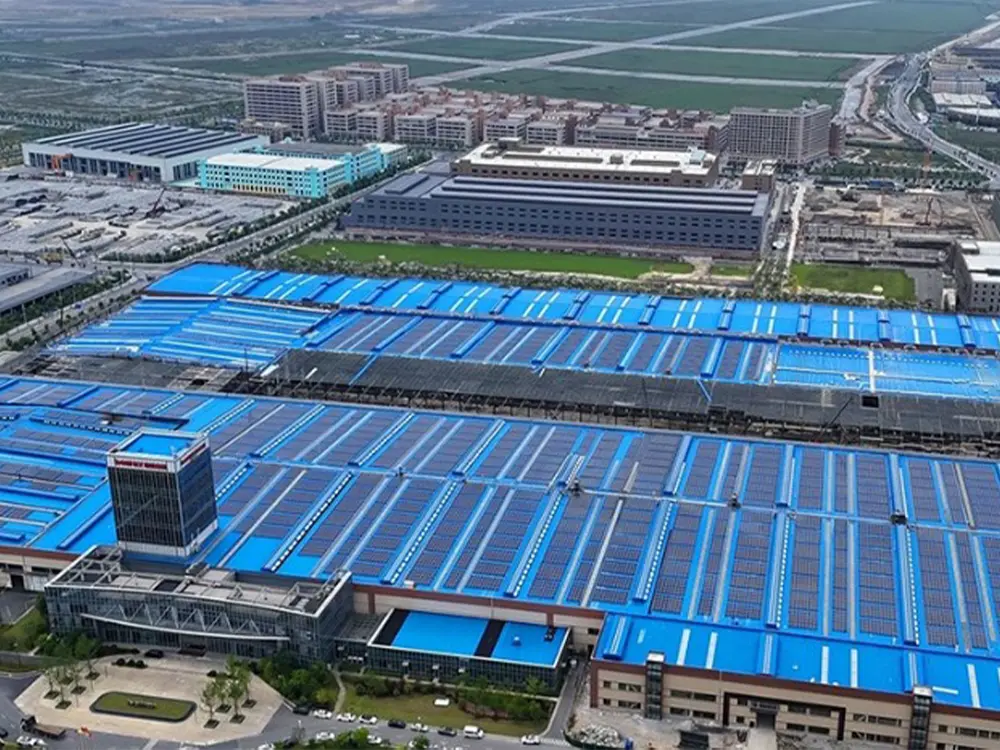
With a core team of industry metallurgists and researchers, Kepai has built an independent, integrated production and testing system. Our facilities are equipped to handle alloy formulation, extrusion, drawing, and precision heat treatments.
Our facility handles advanced alloy engineering from pilot test phases to large-scale industrial output.
Certified under ISO9001:2015, ISO14001:2015, and OHSAS 45001:2018 for consistent quality control.
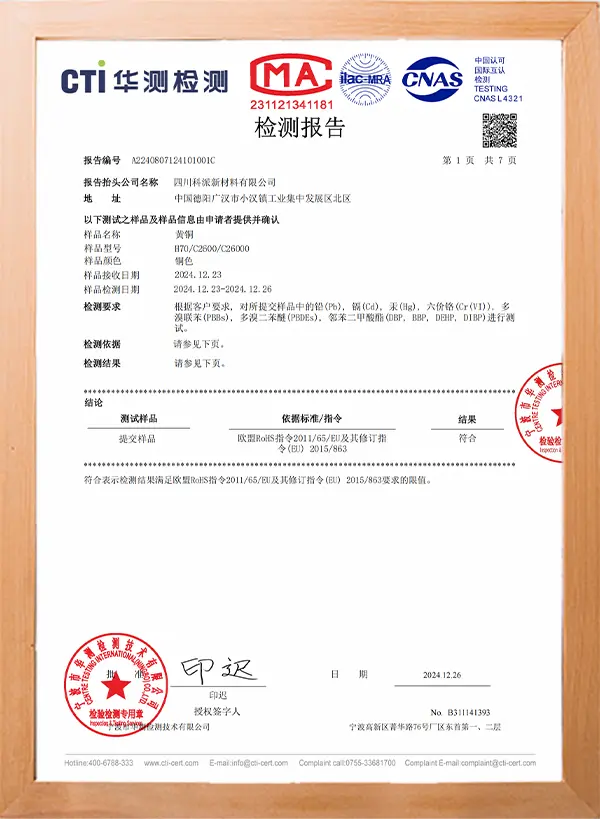
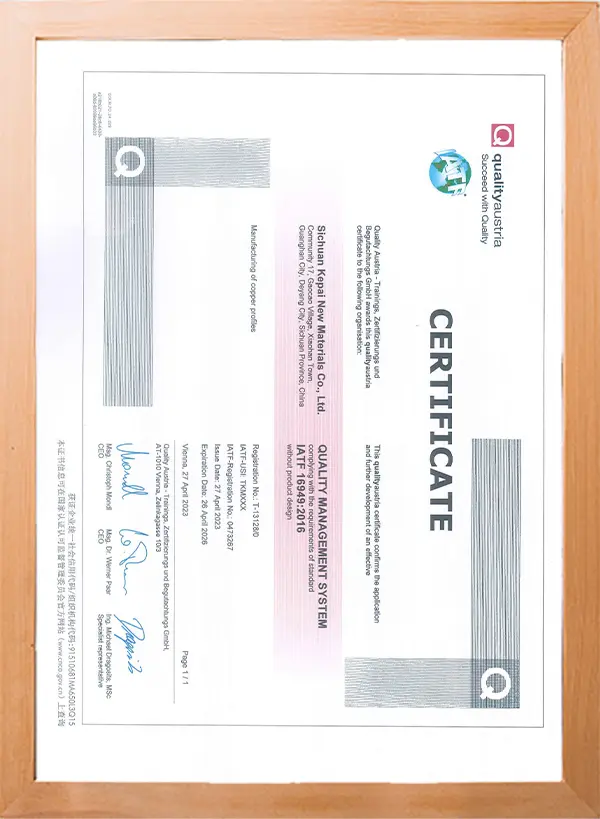
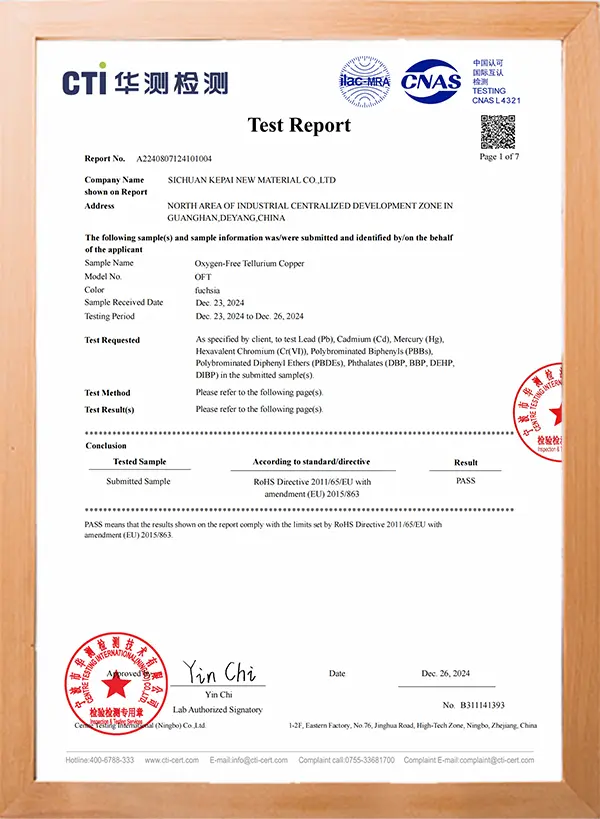
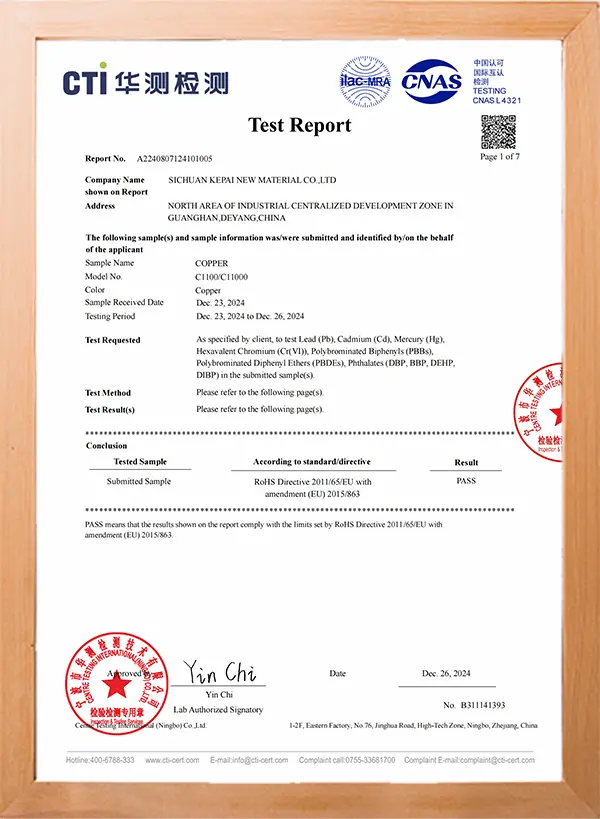
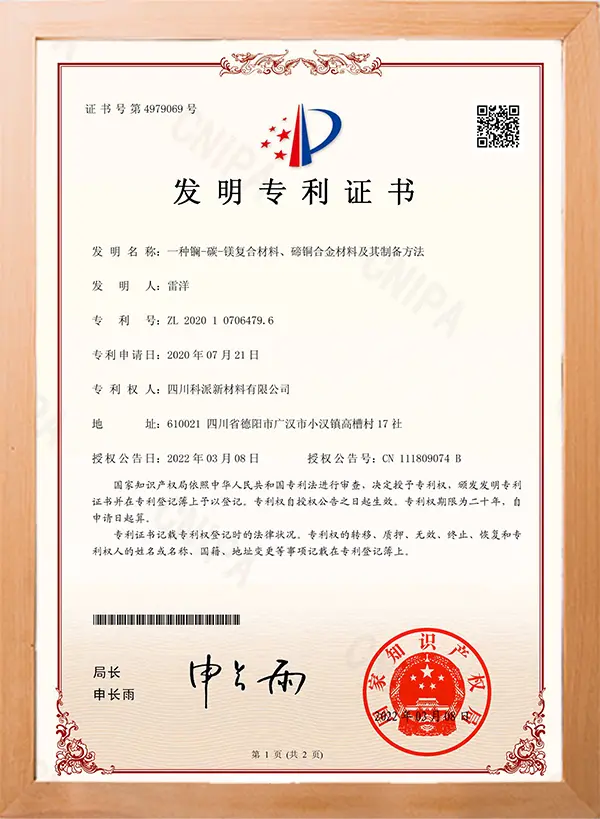
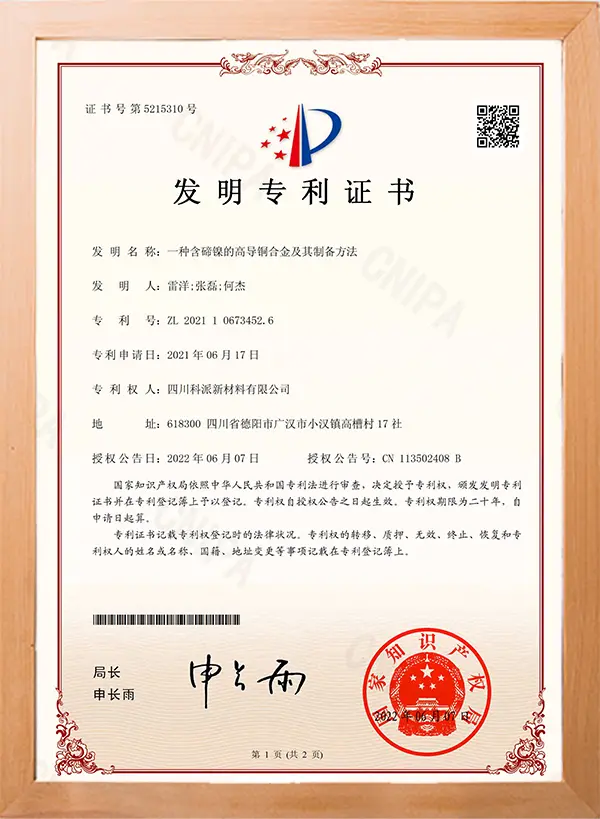
Our specialized copper and nickel alloys are trusted across some of the world's most demanding sectors.

Leveraging copper's natural antimicrobial properties along with nickel's structural integrity. Essential for hygienic surfaces, shielding cases, and precision component frameworks in advanced diagnostic imaging hardware.
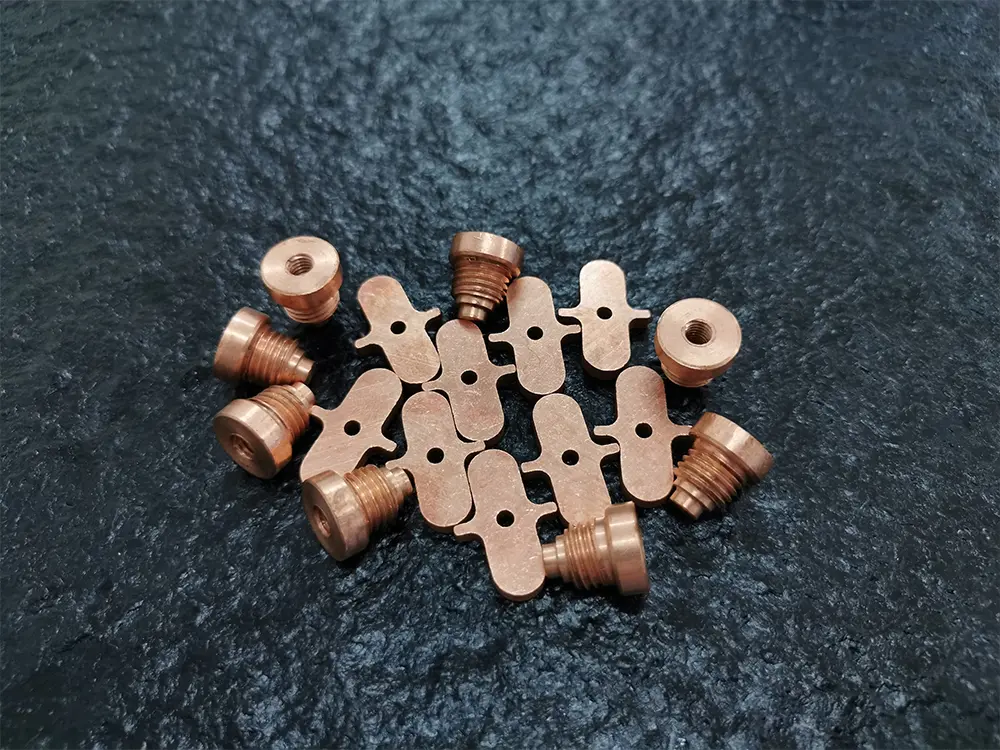
Supplying high-conductivity contact materials that support rapid charging rates and resist thermal softening under heavy electrical loads.

Providing high-reliability connector pins, landing gear bushings, and non-sparking materials designed to perform under extreme mechanical stresses and thermal fluctuations.

Using copper-nickel formulations to defend offshore pipelines, shipboard piping networks, and subsea connectors against constant saltwater exposure and biofouling.
High-quality alloys used in plasma cutting electrodes, contact tips, and gas nozzles, helping extend consumable life in heavy industrial fabrication shops.
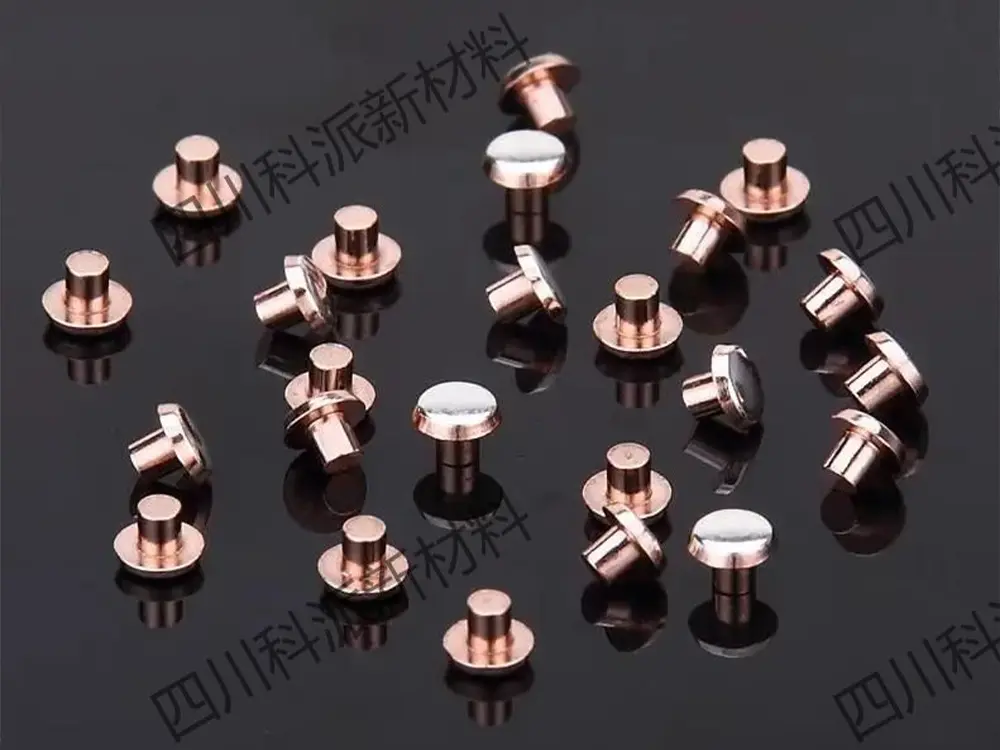
Providing electrical distribution components and busbars that support high solar conversion rates and efficient power storage cycles.
Expert insights addressing common engineering questions about copper-nickel and specialized copper alloys.
Connect with our technical engineering team for quotes, material specification matching, and custom dimensions.
Send Inquiry NowWe supply high-performance alloy products to critical markets across North America, Europe, the Middle East, and East Asia.

Explore more of our highly conductant, wear-resistant, and structural copper formulations.
 Kepai New Material