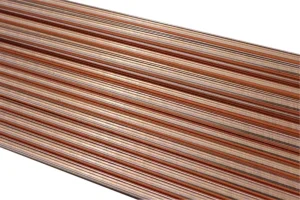
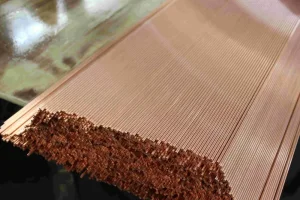
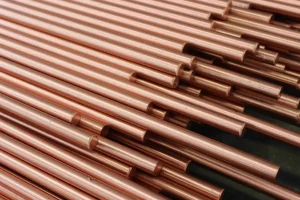
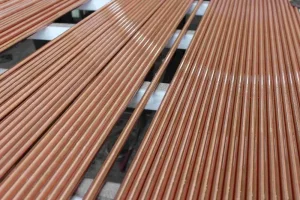
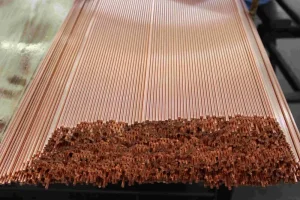
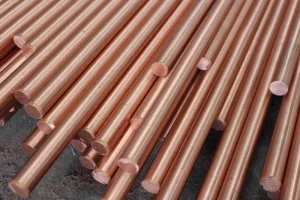
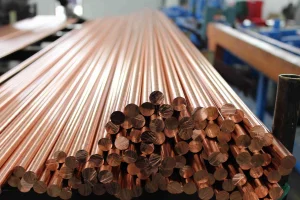
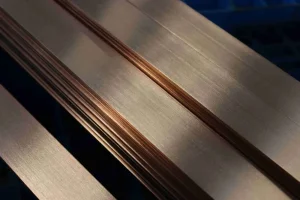
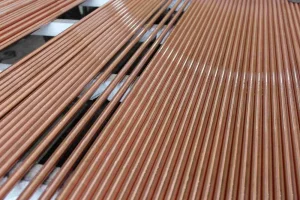
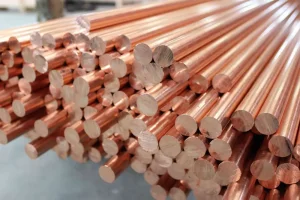
Engineered raw materials and semi-finished components manufactured under strict dimensional tolerances and certified chemistry standards.
Established in May 2017, Sichuan Kepai New Materials Co., Ltd. is a high-tech private company specializing in R&D, production, and sales of high conductivity and high strength free cutting tellurium copper and other special copper alloys.
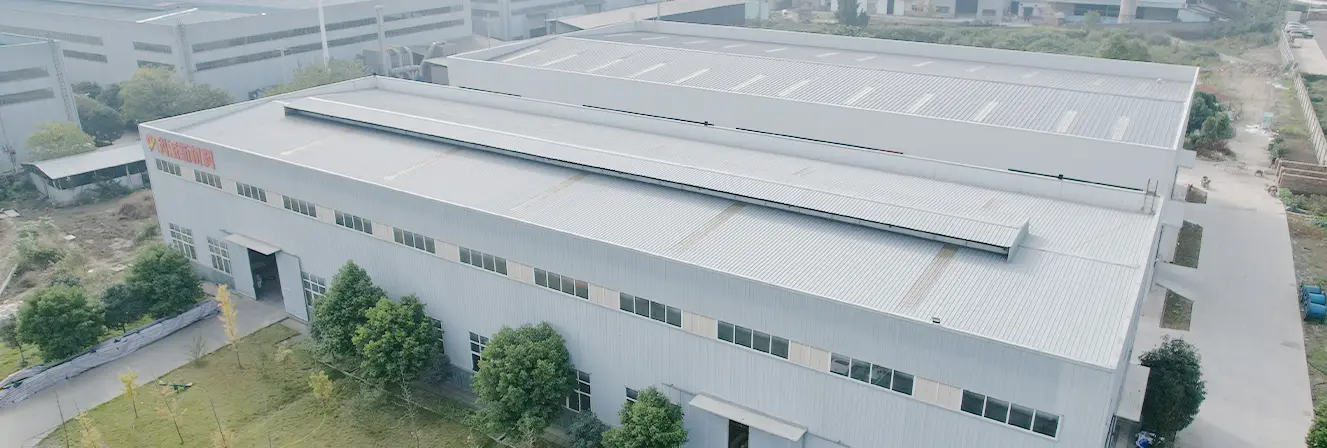
Our advanced manufacturing site occupies 29,000 square meters of factory floor space. Equipped with a complete production system and mature production technology, we maintain deep domain expertise in the precision smelting and extrusion of complex metallurgical alloys. This enables us to formulate new materials with independent intellectual property rights, meeting the critical quality parameters of high-end global manufacturing.


An authoritative analysis of modern copper alloy development, market dynamics, and green supply chain compliance.
Modern electrical infrastructures and electric vehicle grids depend on highly conductive elements. Our OEM smelting process ensures raw material consistency and trace-element control to mitigate micro-cracking and electrical degradation in sub-zero or high-temperature environments.
As standard leaded materials face increasing regulatory bans globally, Kepai leads the transition with eco-friendly alternatives like sulfur copper (C14700) and low-lead tellurium formulations. We guarantee RoHS, REACH, and IATF 16949 system alignment.
Traditional pure copper achieves excellent electrical conductivity but lacks machinability. By introducing controlled tellurium, sulfur, or beryllium matrix structures, we produce materials that maintain up to 98% IACS conductivity while reducing tool wear by 80% during high-speed machining.
Detailed chemical classification and specialized mechanical grades manufactured under strict quality standards.
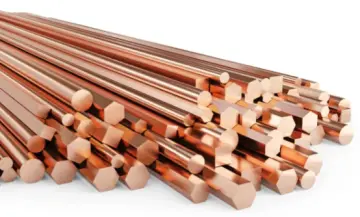
A premium nickel-silicon precipitation strengthened copper alloy. Heat-treated to deliver outstanding strength, softening resistance, and high electrical conductivity.
Technical Sheet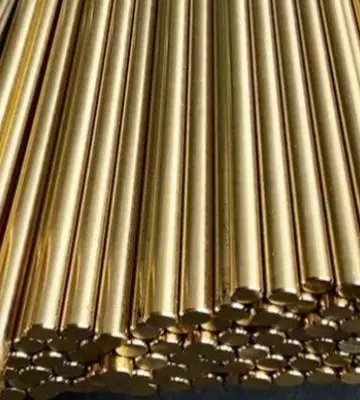
Engineered for maximum cold forming capability. Features structural ductility optimized for deep drawing, stamping, bending, and complex cold heading applications.
Technical Sheet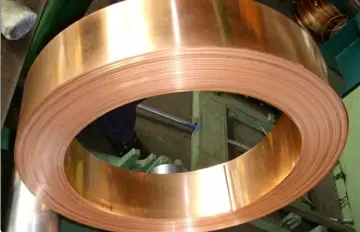
Also known as CuSn4, this high-performance elastic alloy utilizes tin and phosphorus to significantly enhance fatigue limits, wear properties, and corrosion resistance.
Technical Sheet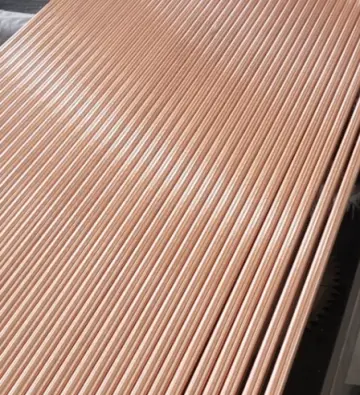
Characterized by exceptional wear resistance, friction reduction, and structural spring properties. Excellent option for high-stress gears, bushings, and shafts.
Technical Sheet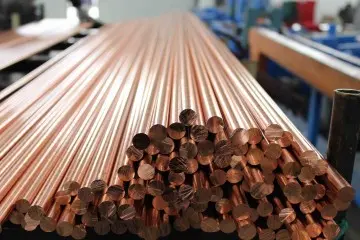
Formulated by adding trace lead to C17200, optimizing the material's cutting performance for micro-components without sacrificing high tensile strength.
Technical SheetPrecipitation hardened foil offering extreme spring back properties. Extensively applied in high-reliability electronic connector spring clips and diaphragms.
Technical Sheet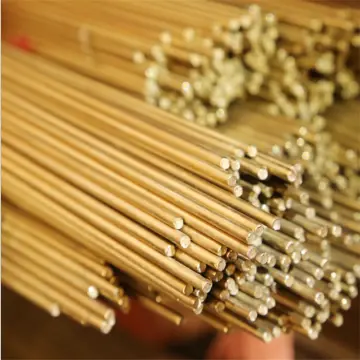
Hailed as the global standard for free-cutting, offering 100% machinability index. Minimizes processing times and maximizes tooling lifespans.
Technical SheetProvides maximum electrical and thermal conductivity (99.9% minimum purity). Critical for battery current collectors and RF shielding wraps.
Technical SheetHigh-purity grade (99.99%) copper tubing containing negligible oxygen levels. Specially designed for high vacuum, cryogenic, and high-power vacuum tubes.
Technical Sheet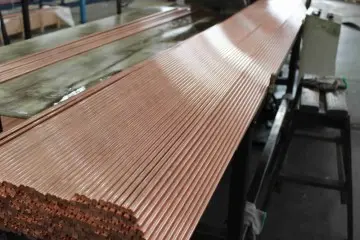
A specialized material combining ultra-low oxygen content with added tellurium. Solves the engineering challenge of combining weldability with excellent cutting speed.
Technical Sheet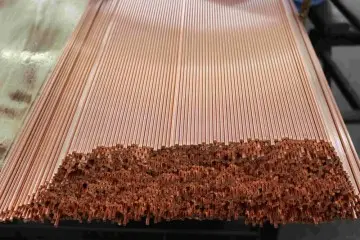
Standard grade electrolytic tough pitch copper. Ideal for bus bars, high-current switchgear, transformer terminals, and power distribution bars.
Technical Sheet
Provides the highest mechanical strength and hardness of all available copper alloys. Ultimate tensile strength can exceed 200 ksi (1380 MPa).
Technical Sheet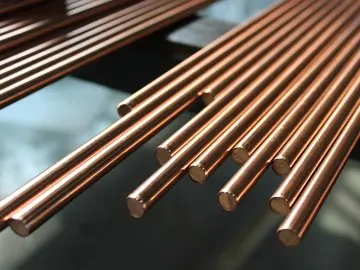
Maintains excellent electrical and thermal conductivity while retaining structural stability at elevated temperatures. Popular in industrial welding torches.
Technical Sheet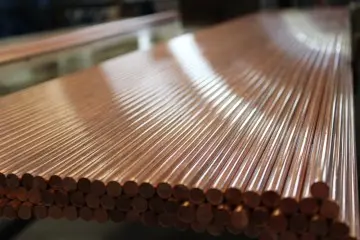
Widely adopted across smart grid systems, automotive contacts, and laser cutting heads due to its optimized combination of wear and fast speed machining.
Technical Sheet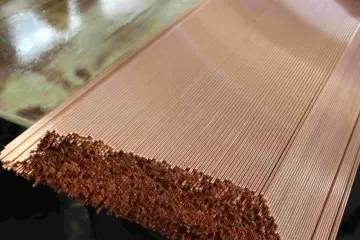
Addresses the historical design trade-off between conductivity and tool wear. Delivers excellent machinability and over 98% IACS conductivity.
Technical Sheet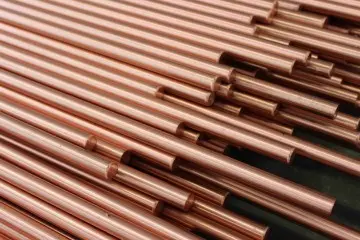
Ideally manufactured for electrical pins, power connectors, switches, and high-frequency wave-guides where resistance to corrosion is necessary.
Technical Sheet
Also known as CuNi2Be. Formulated with 0.2–0.6% Beryllium and 1.4-2.2% Nickel to maintain excellent thermal conductivity and mechanical stress limits.
Technical Sheet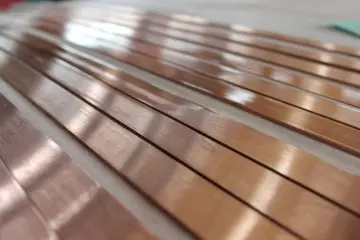
Designed for automated precision turning systems, providing consistent tensile strength and chip control for high-reliability electrical terminal pins.
Technical Sheet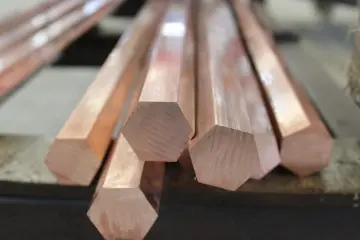
High-hardness copper alloy featuring superior corrosion resistance, low wear rates, and long-term fatigue life under cyclic loads.
Technical Sheet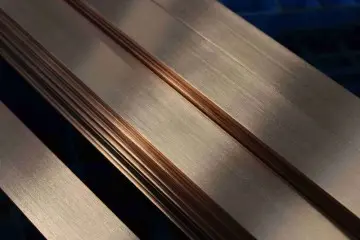
Widely termed the "King of Non-Ferrous Metals" due to its ability to be age-hardened to levels comparable to high-strength tool steel.
Technical Sheet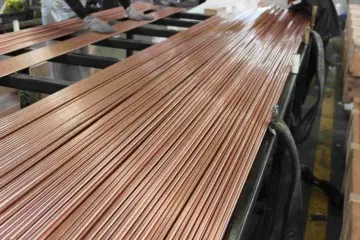
Formulated with integrated lead pockets within the copper matrix to serve as built-in lubrication, minimizing wear under heavy load profiles.
Technical Sheet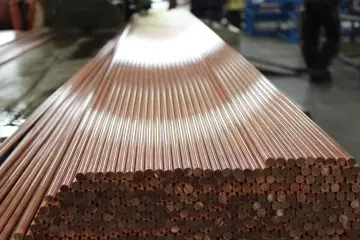
Features structural hardness of 80-120 HB and tensile strength above 300 MPa, meeting heavy-duty bushing requirements in mining machinery.
Technical Sheet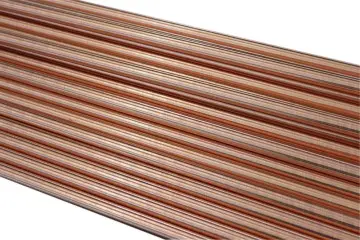
Utilizes cobalt as a grain refiner. Delivers balanced properties: high thermal dissipation, conductivity, and mechanical fatigue endurance.
Technical Sheet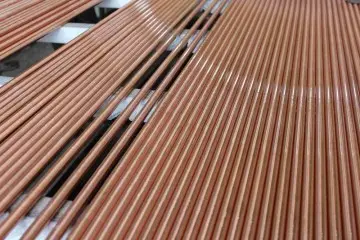
C14700 grade alloy containing sulfur. Designed to achieve high speed chip breakage during CNC turning while maintaining 95% IACS electrical conductivity.
Technical Sheet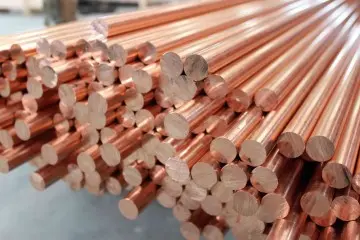
Designed for sustainable manufacturing. Provides clean machining with minimal tool wear, reducing setup costs in automotive switch manufacturing.
Technical SheetOur custom-engineered alloys play key roles across complex operating systems and high-reliability environments globally.

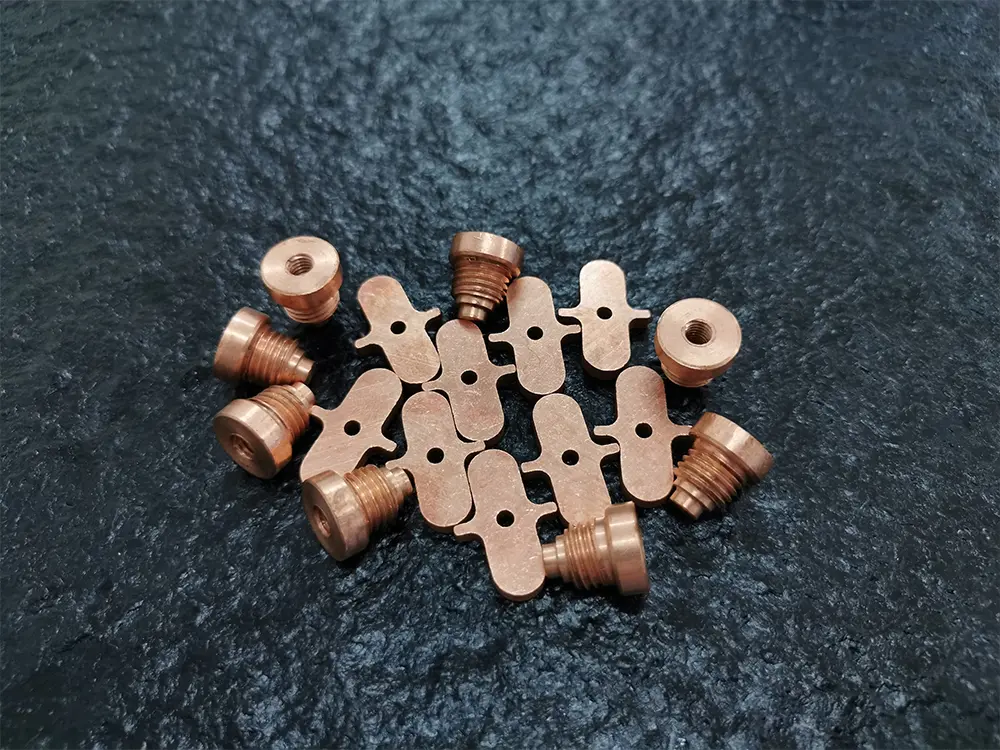


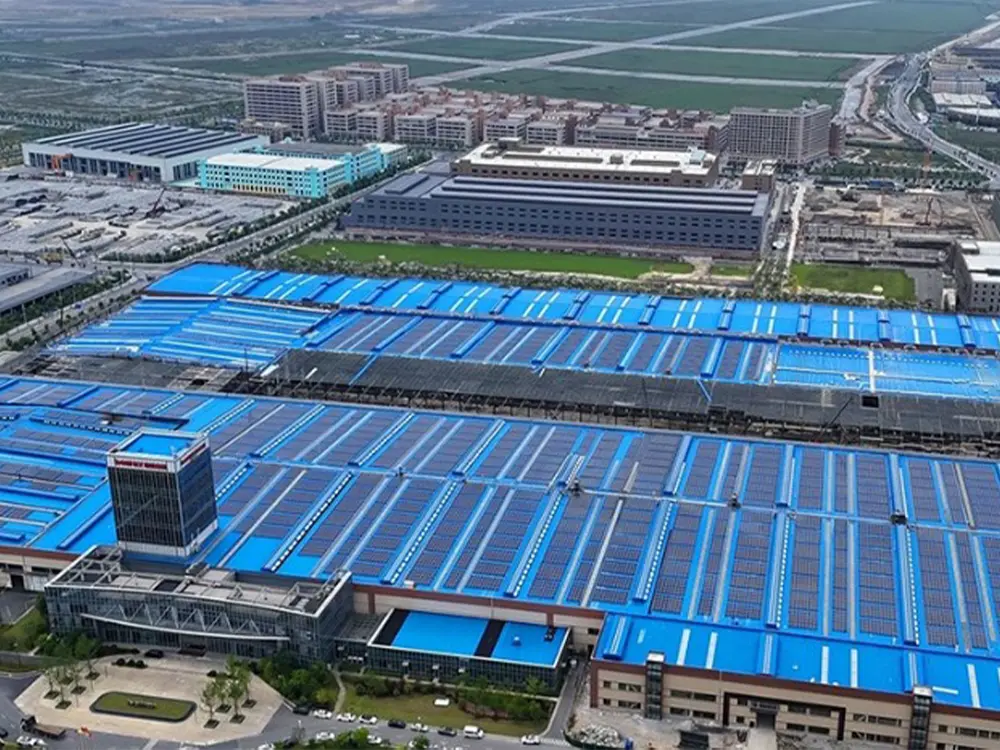
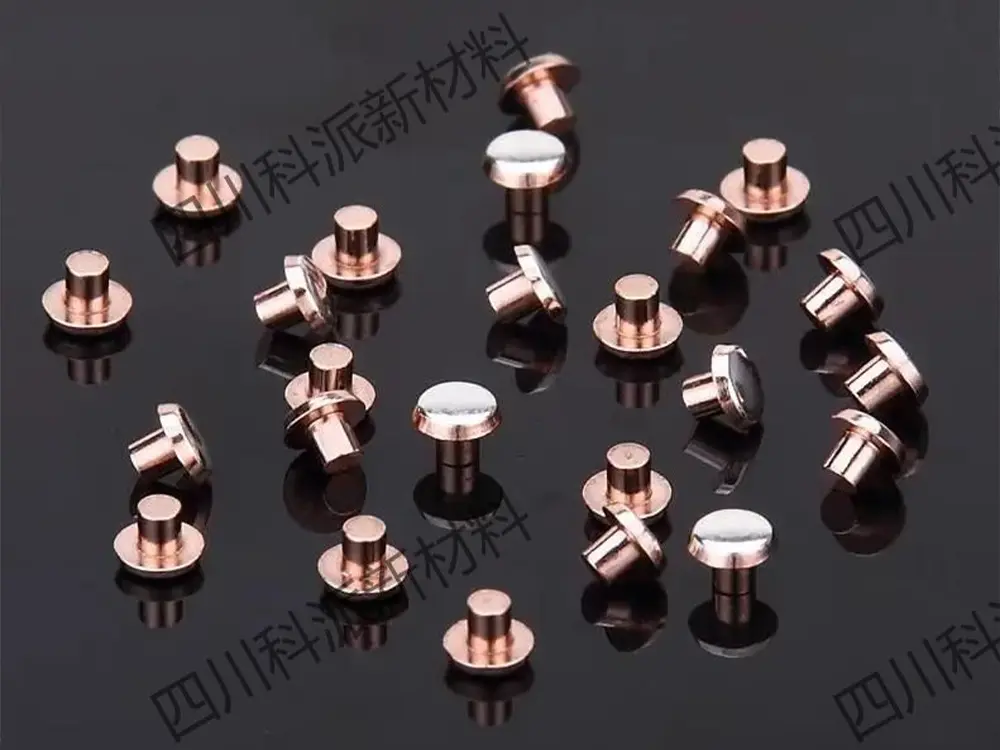
Supported by independent research teams, modern metallurgy labs, and strict quality assurance systems.

Our dedicated R&D division focuses on optimizing molecular distribution during the smelting phase. By developing patent-protected trace element compositions, we have created high-conductivity oxygen-free tellurium copper that outperforms standard ASTM alloys.

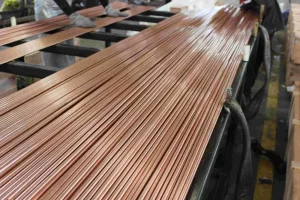
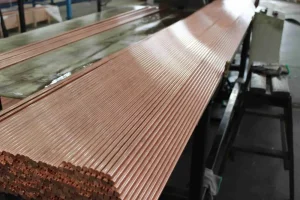
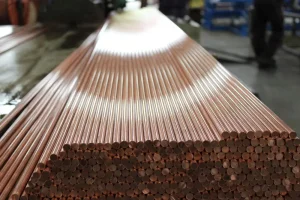
Our extrusion and finishing lines feature high-tonnage extrusion presses, automated cold drawing machinery, and non-destructive ultrasonic testing. This enables us to maintain tight tolerances and internal structural integrity across all bar and wire batches.

We maintain strict process controls certified under key international management standards:
Kepai exports high-performance special alloys to major global manufacturing markets in North America, Europe, and the Asia-Pacific region. Our technical sales engineers provide support from design to prototype evaluation.
Every shipment includes certified material test reports (MTR) detailing chemical analysis and mechanical limits verified by spectrometer testing.
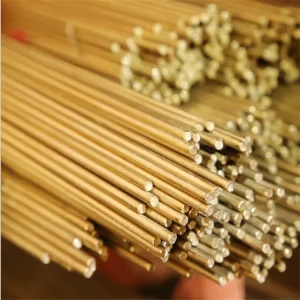
In addition to standard plates and rods, we design custom profile extrusions to reduce machining time and material scrap for our customers.

How Sichuan Kepai is adapting to emerging environmental standards, manufacturing methods, and green smelting protocols.
Developing high-conductivity sulfur copper (C14700) and tellurium formulations to help industrial clients phase out leaded brasses ahead of regional restrictions.
Refining spherical alloy powders designed for metal 3D printing, enabling rapid additive manufacturing of high-conductivity heat sinks.
Investigating sub-micron crystal structures to increase mechanical fatigue limits while maintaining high electrical conductivity.
Get answers to common technical queries on metallurgical engineering, material performance, and specialized applications.
Pure copper (such as C11000) is highly ductile and gummy during machining, which causes tool wear and continuous stringy chips that can tangle around equipment. By adding 0.4% to 0.7% tellurium, C14500 creates microscopic telluride inclusions in the copper matrix. These inclusions act as chip breakers, allowing the material to achieve an 85% machinability rating (compared to only 20% for pure copper) while retaining over 93% IACS electrical conductivity.
C17200 contains higher beryllium levels (1.8% - 2.0%) and achieves the highest mechanical strength and hardness (up to 40 HRC / 1380 MPa tensile strength) among copper alloys after heat treatment. It is ideal for heavy-duty springs, bearings, and non-sparking safety tools. C17500 and C17510 contain lower beryllium levels (0.2% - 0.6%) and utilize cobalt or nickel additions. They deliver lower mechanical strength but higher electrical conductivity (up to 60% IACS), making them suited for welding electrodes, thermal runners, and high-current electrical relays.
C14700 uses sulfur (typically 0.2% - 0.5%) as a free-machining agent. It provides a machinability index of 85% and maintains 95% IACS electrical conductivity. Because sulfur is non-toxic and more abundant than tellurium, C14700 is a cost-effective choice for high-volume electrical components, CNC-turned terminals, and connector pins that do not require the higher thermal limits of tellurium copper.
Lead bronze contains micro-dispersions of lead within the copper-tin matrix. Because lead is insoluble in copper, it settles at the grain boundaries. Under high-friction loads or temporary lubrication loss, the lead melts slightly and spreads across the bearing surface to form a self-lubricating film. This protects shafts from seizing and prevents galling under high-load, low-speed conditions.
Explore our high-performance alloys designed for aerospace, marine engineering, and power distribution systems.
Get in touch with our metallurgical engineers to discuss alloy compositions, custom extrusions, test certifications, or pricing quotes.
Send Inquiry Kepai New Material