Engineered for high thermal transfer, superior electrical efficiency, and precise structural integrity in demanding industrial setups.
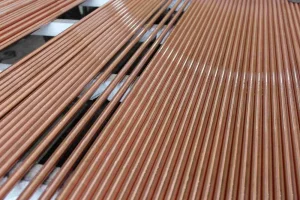
Premium sulfur-doped copper optimized for high-speed automated machining while maintaining superior electrical conductivity.
View Specifications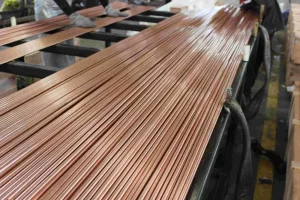
Extreme wear resistance and low friction coefficients make this alloy perfect for continuous-duty industrial bearings and bushings.
View Specifications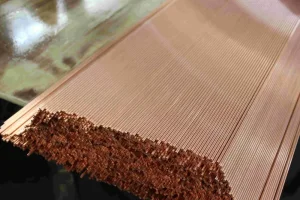
Patented OFHC Tellurium copper offering over 95% IACS conductivity with optimal machinability characteristics.
View Specifications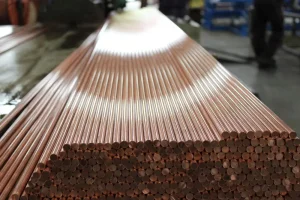
Specialized heavy-duty formulation preventing mechanical fatigue under immense radial loads and harsh conditions.
View Specifications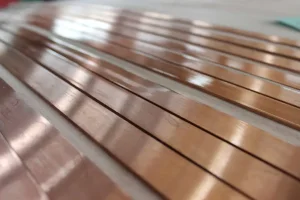
Lead-bearing beryllium copper engineered for intricate components demanding extreme tensile strength and elastic recovery.
View Specifications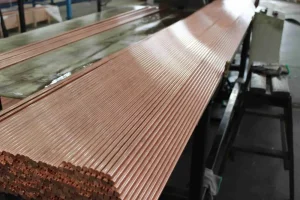
Ultra-pure copper casting featuring minimal trace impurities, vital for high vacuum technologies and semiconductor packaging.
View Specifications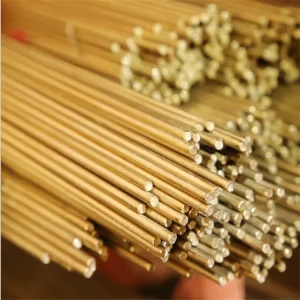
The industry benchmark for machinability. Excellent cold-working properties and dimensional stability over continuous runs.
View Specifications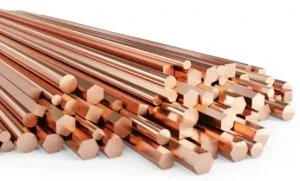
Highly resistant to hydrogen embrittlement and chemical erosion, ideal for demanding marine and subterranean infrastructure.
View SpecificationsFocus on High-Conductivity & High-Strength Free-Cutting Tellurium Copper & Specialized Alloys
Established in May 2017, Sichuan Kepai New Materials Co., Ltd. is a high-tech private enterprise specializing in the research, development, manufacturing, and international distribution of next-generation copper alloys. Our proprietary technical pipeline addresses the long-standing metallurgical trade-off between electrical conductivity and mechanical machinability.
Through our dedicated processing facility, we produce advanced formulation Tellurium Copper, Beryllium Copper, Lead Bronze, Beryllium Cobalt Copper, and Sulfur Copper. These materials serve as core building blocks for new energy vehicle power systems, aerospace avionics, and high-frequency communication relays globally.
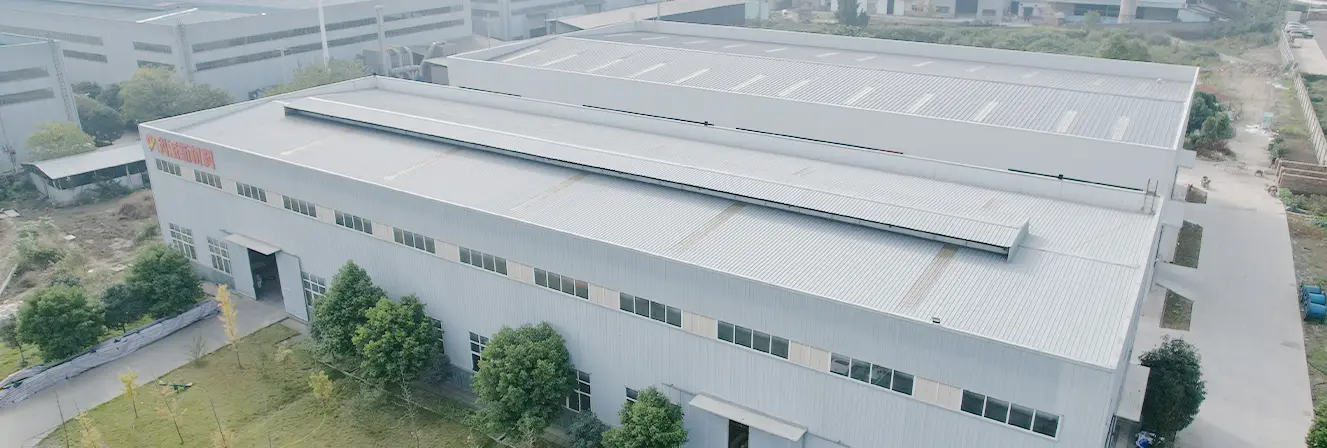
Analyzing the global transition towards high-conductivity, wear-resistant, and high-precision non-ferrous alloys.
In the contemporary landscape of manufacturing, general-use copper grades are hitting physical limitations. The global transition towards electric vehicles (EVs), high-performance computing, clean power grids, and aerospace telecommunications is forcing engineers to demand more from structural materials. Standard copper offers high conductivity but lacks the mechanical hardness needed for high-wear environments. Conversely, standard bronzes or brasses present high strength but fail under load due to poor thermal dissipation or low electrical conductivity.
Advanced alloys resolve these performance limits by carefully blending elements such as Tellurium (Te), Beryllium (Be), Phosphorus (P), and Sulfur (S). For example, C14500 Tellurium Copper integrates minor additions of Tellurium to establish small, distributed copper telluride (Cu2Te) inclusions. This provides a machinability rating of 85% compared to free-cutting brass while retaining upwards of 93-98% IACS (International Annealed Copper Standard) electrical conductivity. This specific chemistry is essential for plasma cutting nozzles, electrical connectors, and fast-charging pins.
| Alloy Grade | Chemical Makeup (Key Elements) | Electrical Conductivity (% IACS) | Machinability Rating | Core Mechanical Properties |
|---|---|---|---|---|
| C14500 (Tellurium Copper) | Cu + 0.4-0.7% Te + 0.004-0.012% P | 93% - 98% | 85% (Very High) | Excellent thermal transfer, high resistance to arc erosion |
| C17200 (Beryllium Copper) | Cu + 1.8-2.0% Be + Co + Ni | 20% - 30% | 20% (Moderate) | Tensile strength up to 1380 MPa, extreme spring back elasticity |
| C19160 (Nickel-Silicon Copper) | Cu + 0.8-1.2% Ni + 0.15-0.25% Si | 50% - 60% | 80% (High) | High precipitation hardening, corrosion resistant in salt air |
| C14700 (Sulfur Copper) | Cu + 0.2-0.5% S + 0.005% P | 90% - 95% | 85% (Very High) | Excellent hot and cold formability, clean thread profiles |
This technical breakdown shows how each chemical makeup serves specific industrial roles. The transition to smart manufacturing means engineering teams need consistent raw material properties, reliable chemical structures, and certified mechanical tolerances to prevent breakdowns in downstream production.
Detailing the engineering parameters and specialized behaviors of our proprietary non-ferrous formulations.
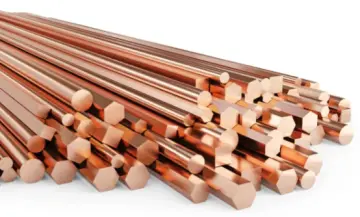
A nickel-silicon precipitation-strengthened copper alloy with excellent softening resistance and robust mechanical properties under thermal cycling.
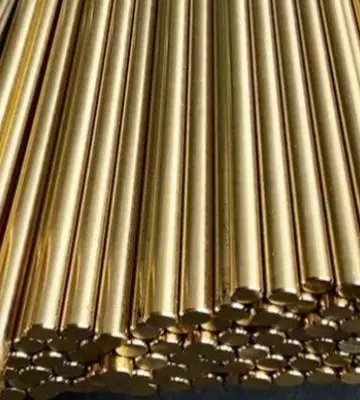
Engineered for complex deep drawing, stretching, bending, and cold heading. Balance of mechanical toughness and ease of forming.
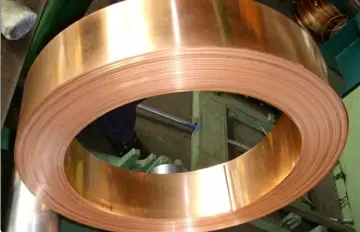
High-performance elastic copper alloy. Excellent fatigue limits, elasticity, and corrosion resistance for terminal springs and relays.
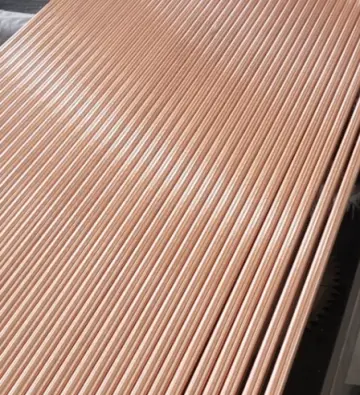
High tin-phosphorus formulation offering excellent slip behavior, high structural integrity under continuous friction, and load stability.
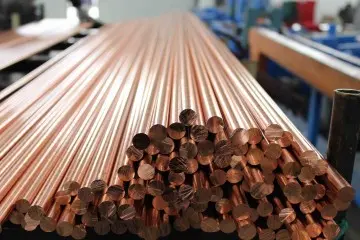
Incorporates precise lead trace additions to maximize CNC machining speeds while preserving the extreme hardness and spring characteristics of beryllium copper.
Ultra-thin, precipitation-hardened copper foil. Provides reliable electrical routing and structural strength in compact electronic assemblies.
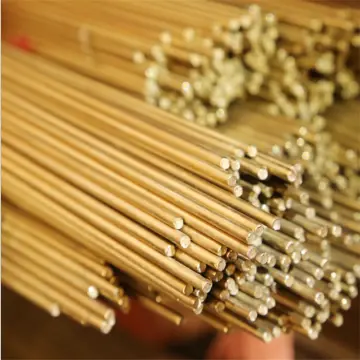
Widely recognized for its clean-cutting behavior, reducing tool wear and improving dimensional accuracy for high-volume parts.
99.99% pure copper tube with minimal oxygen content to prevent hydrogen embrittlement. Ideal for high-vacuum electronics and power transmission.
How specialty copper alloys meet the unique demands of global industries.
EV fast-charging connectors require low contact resistance and high current capacities. Oxygen-free tellurium copper stands up to repetitive physical connections and high thermal loads during rapid charging cycles.
Generators, landing gear bushings, and data links must withstand high g-forces, wide temperature ranges, and corrosive atmospheres. Beryllium cobalt copper alloys deliver the necessary tensile strength and thermal stability.
High-purity oxygen-free copper and antimicrobic surfaces are utilized inside MRI scanners, hospital ventilation components, and high-frequency surgical tools, preventing biological buildup and electrical signal drift.
Undersea cabling connectors, desalination plumbing, and propeller shaft sleeves rely on specialized bronze. These components require high corrosion resistance to seawater and protection against biofouling.
The tip of a plasma cutting torch operates at extreme temperatures. High thermal dissipation from tellurium copper reduces electrode wear, maintaining cutting precision and extending consumable service life.
Busbars and power distribution components in solar installations and grid-scale batteries require low resistance. High-conductivity alloys minimize line losses and heat generation, optimizing overall system efficiency.

End-to-End Vertical Integration from Raw Metallurgy to International Shipping
Our facility in Sichuan, China, leverages domestic supply chain clustering to provide reliable, efficient, and scalable delivery of specialty metals worldwide. The region's access to high-purity copper cathodes and mineral reserves ensures a consistent material supply, reducing vulnerability to geopolitical commodity fluctuations.
Sichuan Kepai New Materials operates a integrated processing setup. By managing refining, continuous casting, drawing, and precision machining within one campus, we eliminate transportation steps, protect material purity, and accelerate R&D cycles. This setup allows us to quickly scale production from prototype trials to high-volume manufacturing, helping global partners optimize their inventory management.
Innovating material sciences to support electrification, high-frequency communications, and environmental goals.
Modern electrical engineering is shifting from conventional thermal power generation toward high-frequency systems and clean energy alternatives. These technologies place demanding requirements on electrical contacts and connectors. Below is our engineering roadmap for next-generation copper alloys:
Standard tellurium copper grades can contain oxygen levels that lead to hydrogen embrittlement when brazed or welded at high temperatures. Sichuan Kepai is researching vacuum-smelted, oxygen-free tellurium copper (OFT) designed to maintain less than 10 ppm of oxygen. This ensures crack-free welding, making the material suitable for hermetically sealed EV relay switches and high-voltage power grids.
Global environmental regulations, including EU RoHS and REACH, continue to restrict lead content in consumer electronics and plumbing systems. Our metallurgical labs are developing alternative alloy elements, such as bismuth, silicon, or tin, to replace lead. The goal is to match leaded brass machinability without violating strict environmental standards.
As microelectronics shrink, connector pins require thinner profiles with higher mechanical strength. We are developing micro-alloyed systems featuring trace additions of titanium, chromium, and zirconium. This structure enhances tensile strength through aging treatments while maintaining high electrical conductivity for high-density smartphone and server connections.
Adhering to strict international testing standards to ensure material reliability for critical global projects.
Our quality management system covers every stage of production, from raw cathode sourcing to spectroscopic testing of finished lots. This ensures consistent dimensions and metallurgical properties.
We work to minimize the environmental impact of non-ferrous manufacturing by utilizing closed-loop water cooling, particulate filtration, and recycling scrap metal directly back into the furnace.
Keeping our workforce safe is essential. Our Sichuan production facility maintains high safety standards, incorporating automated equipment handling and regular health monitoring.
Get in touch with Sichuan Kepai's engineering team to discuss material properties, custom alloys, and delivery options.
Send Inquiry NowTechnical guidance on selecting, machining, and designing with advanced copper alloys.
Select from our secondary portfolio of high-elasticity strips, sulfur-coppers, and specialized bronzes.
High-conductivity, precipitation-hardening beryllium copper optimized for CNC turning and complex electronic pins.
View Specifications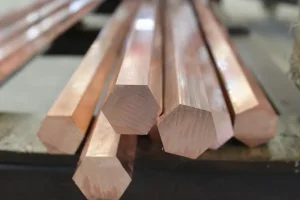
Combines high hardness, wear resistance, and corrosion safety for explosive or electrical risk environments.
View Specifications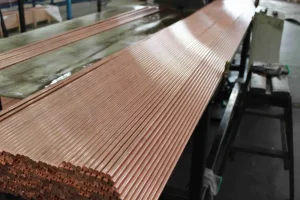
Also known as CuNi2Be. Balance of thermal dissipation and tensile strength, useful for welding electrode holders.
View Specifications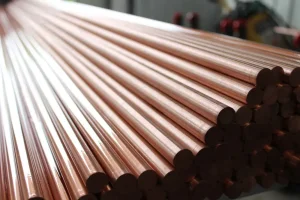
Produced using induction casting to minimize oxide inclusions, suitable for high-voltage and vacuum applications.
View Specifications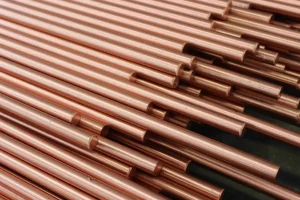
Our standard tellurium copper grade, providing reliable electrical and thermal performance for heavy-duty connections.
View Specifications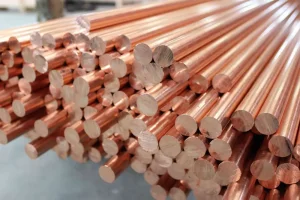
Designed to support high machining speeds while maintaining clean cut finishes and good electrical conductivity.
View Specifications
High-strength copper-beryllium alloy with an ultimate tensile strength that can exceed 1380 MPa (200 ksi).
View Specifications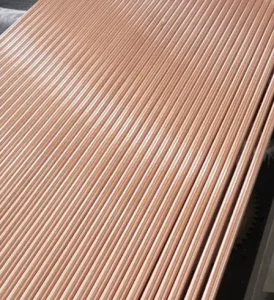
A tin-phosphorus bronze alloy featuring high wear resistance, fatigue strength, and spring elasticity under load.
View Specifications Kepai New Material