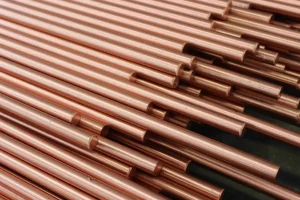
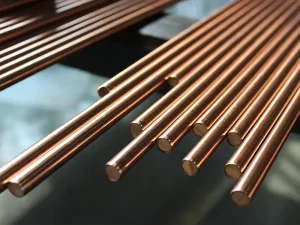
Select precipitation-hardened copper alloys engineered to withstand severe thermal loads and high-stress industrial manufacturing frameworks.
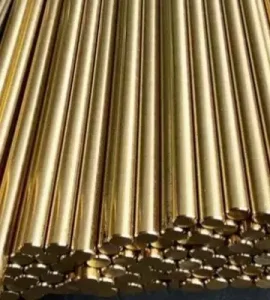
Banfora, as a crucial logistical and agricultural processing hub in southwestern Burkina Faso (Cascades Region), is experiencing a shift toward industrial mechanization. Key sectors, including modern sugarcane milling (associated with regional processing complexes like SN-SOSUCO), mining infrastructure, and grid electrification projects, demand robust conductive materials capable of operating under highly corrosive and high-temperature environments.
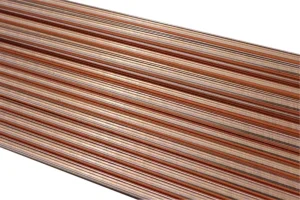
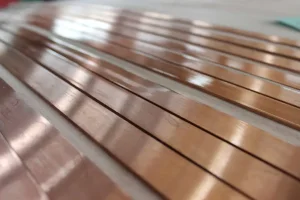
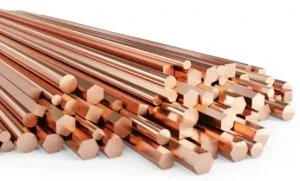
Our heavy-duty C17500 Beryllium Cobalt Copper alloys deliver the critical operational margins required for these regional infrastructure demands. By incorporating advanced alloys that preserve both mechanical wear resistance and supreme electrical conductivity under stress, local enterprises can mitigate equipment failures, optimize heat dissipation cycles, and drastically reduce capital expenditures on replacement parts.
Additionally, the proximity to mining corridors in the Cascades region mandates high-strength electrical contacts and wear-resistant bushings that resist abrasive mineral dust and intense vibrational fatigue—scenarios where standard copper grades yield prematurely.

Focus on high conductivity and high strength free cutting tellurium copper and other copper alloys
Established in May 2017, Sichuan Kepai New Materials Co., Ltd. is a high-tech private company specializing in the R&D, production, and sales of high-conductivity and high-strength free-cutting tellurium copper and other special copper alloys. Our modern manufacturing complex delivers globally certified copper alloy products that resolve wear-and-tear challenges across the welding, electrical, automotive, and renewable energy sectors.
By leveraging independent intellectual property rights, advanced extrusion technologies, and strict ISO and IATF auditing systems, Kepai serves a global client base seeking to lower down-time while achieving higher thermodynamic efficiency. From custom configurations of beryllium copper to wear-resistant lead bronzes, our solutions are engineered for long-term reliability in critical projects.
Understanding the chemistry, heat-treat dynamics, and performance envelopes of high-strength beryllium copper variants.
Beryllium Cobalt Copper (C17500) and Copper-Nickel-Beryllium (C17510) are engineered to bridge the performance gap between structural steels and high-conductivity copper. Traditional copper alloys force engineers to choose between high electrical conductivity (with low yield strength) or structural hardness (with terrible electrical throughput). Precipitation hardening (age-hardening) resolves this limitation.
By introducing trace amounts of Beryllium (typically 0.4% to 0.7%) alongside Cobalt (2.4% to 2.7%) or Nickel, we create a solid-solution matrix that can be thermally treated to precipitate second-phase cobalt/nickel beryllides. This structure retards dislocation movements under thermal and mechanical loading while leaving the copper matrix free of dissolved solutes, ensuring optimal conductivity:
As international supply networks tighten tolerances, our R&D team targets three operational metrics:
How our copper alloy materials power demanding sectors from new energy vehicles to deep space exploration.
Electrodes made of C17500 offer exceptional resistance to deformation under intense mechanical clamp pressure and high-voltage current pulses, reducing red-hardness erosion.
Used in high-voltage busbars, battery connectors, and electric power steering components, providing secure, heat-resistant electrical junctions.
Critical landing gear bushings, instrument housings, and high-frequency communication relays rely on beryllium copper's non-magnetic, spark-resistant structural strength.
Why leading global manufacturers choose Kepai as their strategic partner for copper alloy procurement.
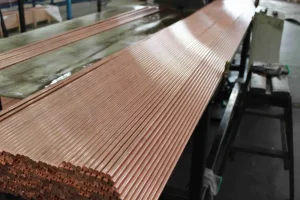
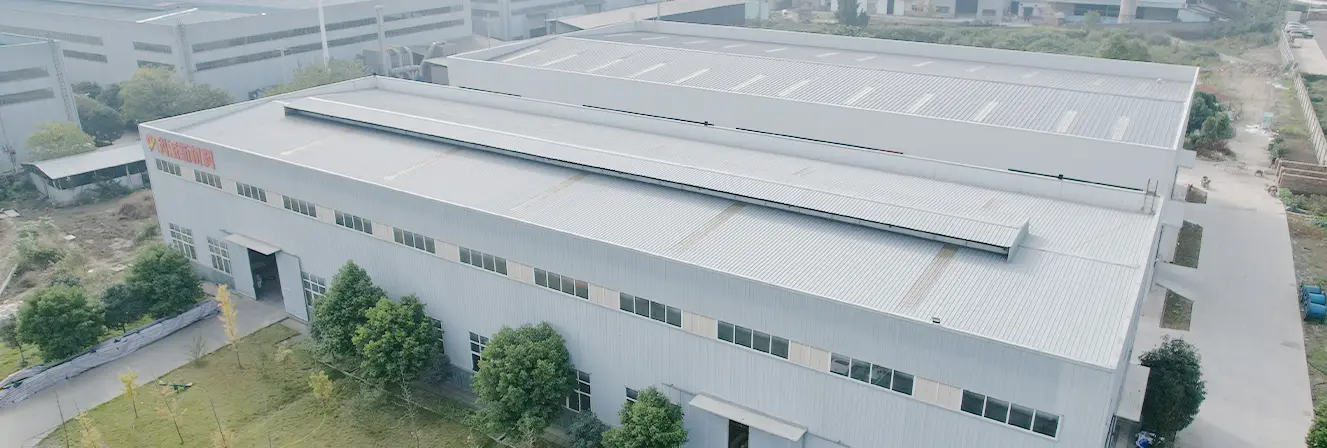
Operating a 29,000 square meter facility in Sichuan, China, Kepai utilizes integrated melt-to-extrusion systems. Because we maintain complete processing authority from high-purity cathode melting to cold draw stages, we mitigate quality deviations common to fragmented supply models. Our process controls include automated induction furnaces, hydrostatic extrusion presses, and offline induction heat-treatment lines.
Furthermore, our streamlined manufacturing workflow reduces fuel costs and maximizes scrap metal recovery. We pass these efficiency gains to our partners in the Banfora market, ensuring competitive pricing even amidst volatile global LME copper indices.
Through close coordination with marine freight channels and continental rail networks, we offer delivery paths to West African ports and inland hubs like Bobo-Dioulasso and Banfora, avoiding production gaps for regional enterprises.
Explore our expanded range of structural, conductive, and specialty non-ferrous alloys.
Every shipment undergoes rigid material assays and testing procedures to guarantee structural integrity.
Kepai maintains a zero-defect quality control framework. We test all production batches using optical emission spectrometers, ultrasonic flaws detectors, and eddy current conductivity meters to verify composition limits and precipitation consistency.
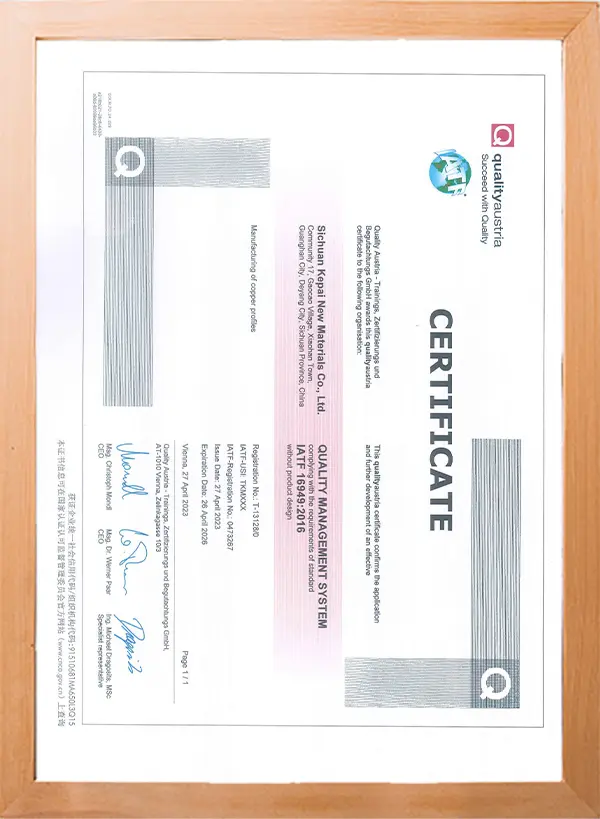
This systematic approach ensures compliance with critical safety and environmental regulations, including RoHS, REACH, and custom industrial standards. Our production facilities hold multiple global standard certifications, including:
When you purchase from Kepai, you receive certified chemical composition reports, tensile test logs, and electrical conductivity readouts, ensuring compliance for public projects and multi-national tenders in the Banfora corridor.

Answering common questions regarding the procurement, application, and metallurgy of Beryllium Cobalt Copper.
Partner with Sichuan Kepai New Materials to secure your supply of high-performance Beryllium Cobalt Copper, Tellurium Copper, and Lead Bronze.
Send Inquiry Now Kepai New Material