Top 10 Uses of Tellurium Copper Uns C14500 for Global Buyers?

Time:2026-06-30 Author:Oliver
0%

Tellurium Copper UNS C14500 is a unique alloy known for its excellent conductivity and resistance to corrosion. This material has gained attention in various industries due to its exceptional properties. Manufacturers and designers often choose it for applications requiring reliable electrical performance.

The versatility of Tellurium Copper UNS C14500 makes it suitable for multiple uses. It is commonly used in electrical connectors, switchgear, and instrumentation. This alloy's thermal stability and machinability also contribute to its widespread adoption in the automotive and aerospace industries.

While Tellurium Copper UNS C14500 offers significant advantages, it is essential to consider its limitations. Some users report challenges in welding and certain fabrication processes. Reflection on these factors is crucial for maximizing the alloy's potential in real-world applications.
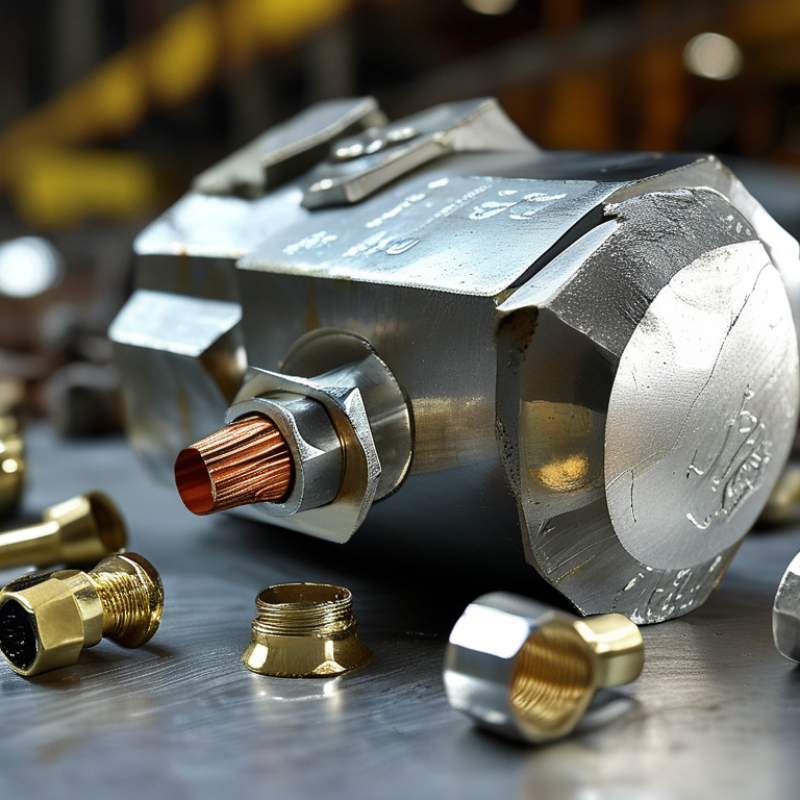
Top 10 Uses of Tellurium Copper Uns C14500 for Global Buyers?

Applications of Tellurium Copper UNS C14500 in Electrical Components

Tellurium copper UNS C14500 has gained popularity due to its excellent electrical properties. This copper alloy contains about 0.5% tellurium, which improves machinability while maintaining good conductivity. Electrical engineers often turn to this alloy for various applications, particularly in the manufacturing of electrical components.

Among its key applications are connectors and switches. Tellurium copper is preferred for these parts because it forms reliable electrical contacts. Industry reports show that the alloy maintains conductivity, even under stress. It can endure high temperatures without losing its effectiveness. For example, a study by the Copper Development Association highlighted that tellurium copper can sustain electrical performance at temperatures reaching 150°C.

The alloy is also utilized in circuit boards and terminals. Its machinability reduces production costs while improving durability. However, challenges remain in ensuring consistent quality across batches. Regular testing is essential to identify potential fluctuations in performance. Data from industry surveys indicate that a significant number of users have faced inconsistency issues. Addressing this is crucial for the optimal application of tellurium copper in electrical components.

Top 10 Applications of Tellurium Copper UNS C14500

Utilization of Tellurium Copper UNS C14500 in Automotive Manufacturing

Tellurium copper UNS C14500 is increasingly vital in automotive manufacturing. Its unique properties lead to enhanced performance in various applications. This alloy contains a small amount of tellurium, which improves machinability. As a result, it is easier to shape into complex components. Automotive parts made from this alloy also show excellent electrical and thermal conductivity. This is crucial for systems like batteries and electronic components.

The automotive industry requires materials that can withstand harsh conditions. Tellurium copper excels in durability even in extreme temperatures. Processors and connectors benefit from its resistance to wear and corrosion. However, automotive manufacturers must carefully balance cost and performance when choosing materials. Not all applications require the advanced features of tellurium copper.

Additionally, sustainability is a growing concern in the automotive sector. Tellurium is a relatively rare element. This scarcity raises questions about long-term availability. Diverse sourcing strategies may become necessary. As manufacturers explore alternatives, they must assess the impact on performance. Investing in research can lead to better material choices in the future.

Top 10 Uses of Tellurium Copper UNS C14500 for Global Buyers

Use Case Description Benefits
Electrical Connectors Used in manufacturing reliable electrical connectors for automotive applications. High conductivity and excellent wear resistance.
Switchgear Components Components for high-performance switchgear systems. Improved strength and corrosion resistance.
Wiring Harness Production of durable wiring harness for vehicles. Enhanced reliability in harsh environments.
Motor Components Used in various components of electric motors. Better thermal and electrical conductivity.
Battery Contacts Manufacturing of contacts within battery systems. Improved longevity and conductivity.
Relay Contacts Components for automotive relays. Ensured connectivity and minimized arcing.
Heat Sinks Used in heat sinks to dissipate heat in automotive systems. Efficient temperature management.
Terminal Blocks Used in terminal blocks for safe and effective electrical connections. Durability and high current carrying capacity.
Sensors Manufacturing of sensors for precision automotive applications. Increased sensitivity and accuracy.
Plated Fasteners Utilized for automotive fasteners with superior plating. Enhanced resistance to oxidation and wear.

Advantages of Tellurium Copper UNS C14500 in Aerospace Engineering

Tellurium copper UNS C14500 stands out in aerospace engineering for several compelling reasons. One attractive feature is its excellent machinability. With a tensile strength that can reach 210 MPa, it offers robust performance under stress. This makes it suitable for intricate components in aircraft where precision is paramount. Additionally, it displays good thermal conductivity, facilitating efficient heat management in electronic systems.

Another important aspect is its resistance to corrosion. This attribute is especially vital in aerospace applications, where parts are subject to harsh environmental conditions. Tellurium copper can withstand exposure to moisture and varying temperatures without compromising its structural integrity. This reliability translates into safety, a non-negotiable requirement in aerospace design.

Nevertheless, using tellurium copper is not without challenges. Its price can fluctuate based on market demand, which can impact project budgets. Also, while it is versatile, not every application may benefit from its properties. Some alternative materials might be more cost-effective for certain uses. Continuous evaluation is necessary to ensure the best material selection for aerospace engineering.

Tellurium Copper UNS C14500 in Medical Device Production

Tellurium Copper UNS C14500 plays a vital role in the production of medical devices. This alloy offers excellent machinability and is often chosen for precision components. Medical devices require reliable materials that ensure patient safety and product longevity. Tellurium copper meets these standards effectively.

The inherent antimicrobial properties of tellurium copper are a significant advantage. This feature helps reduce the risk of infection from medical instruments. As hospitals increasingly prioritize hygiene, the demand for this alloy in medical device manufacturing continues to rise. Components such as connectors, surgical tools, and implantable devices benefit from its properties.

Tips: When selecting materials for medical devices, consider the alloy's thermal and electrical conductivity. Ensure compliance with industry standards. Testing prototypes thoroughly is also crucial, as even minor errors can lead to significant patient risks. Always consult with materials specialists for better insight into material performance in medical applications.

Environmental Impact and Recycling of Tellurium Copper UNS C14500

Tellurium copper UNS C14500 stands out for its unique properties, particularly in electrical conductivity and corrosion resistance. However, its production raises environmental questions. The extraction process of tellurium often involves mining activities that can lead to habitat destruction and water contamination. Addressing these impacts is crucial for a sustainable future. Companies that utilize this alloy must consider both the benefits and the environmental costs associated with its production.

Recycling tellurium copper offers a promising solution. It significantly reduces the need for new raw materials and minimizes waste. The recycling process also conserves energy compared to primary production methods. Businesses can collaborate with recycling facilities to ensure safe and efficient recovery of tellurium copper. However, challenges remain in standardizing the recycling process across countries. This necessitates improved regulatory frameworks to promote sustainable practices globally.

Awareness of these environmental factors is essential for manufacturers and buyers. Understanding the lifecycle of tellurium copper can inform better sourcing decisions. It is vital to prioritize eco-friendly practices while balancing performance and cost. Engaging in this dialogue promotes a responsible approach to using this valuable alloy. Recognizing the potential impacts encourages stakeholders to make informed choices, driving innovation in sustainability.

FAQS

: What are the main uses of Tellurium Copper UNS C14500?

: It is mainly used in connectors, switches, circuit boards, and terminals. These components benefit from its excellent electrical properties.

How does Tellurium Copper improve machinability?

The inclusion of about 0.5% tellurium enhances machinability while keeping good electrical conductivity. This combination is valuable in manufacturing.

Is Tellurium Copper effective at high temperatures?

Yes, it maintains performance even at temperatures up to 150°C. This quality makes it ideal for various electrical applications.

What are the environmental concerns associated with Tellurium Copper?

Production can lead to habitat destruction and water contamination due to mining. These impacts need careful consideration for sustainability.

Can Tellurium Copper be recycled?

Yes, recycling reduces the need for new materials and minimizes waste. It also conserves energy during the recovery process.

What are the challenges in recycling Tellurium Copper?

Standardizing the recycling process globally remains a challenge. Improved regulations are needed to promote effective practices in recycling.

Why is it important for manufacturers to consider eco-friendly practices?

Awareness of environmental impacts helps in making better sourcing decisions. Balancing cost and performance is crucial for sustainability.

What quality issues may arise with Tellurium Copper?

Some users have reported inconsistency across batches. Regular testing is necessary to ensure reliability and effectiveness in applications.

Conclusion

Tellurium Copper UNS C14500 is increasingly recognized for its versatile applications across various industries. In the realm of electrical components, it is valued for its excellent conductivity and machinability, making it ideal for connectors and circuit boards. The automotive sector benefits from its durability and resistance to wear, allowing for reliable performance in high-stress environments. Additionally, aerospace engineering exploits the lightweight characteristics and strength of Tellurium Copper UNS C14500 for critical components that require high performance under extreme conditions.

In the medical device production arena, this material is favored for its biocompatibility and ease of sterilization, ensuring safety in sensitive applications. Furthermore, the environmental impact of Tellurium Copper UNS C14500 is minimal compared to other metals, and its recycling potential adds to its sustainability profile. Overall, Tellurium Copper UNS C14500 stands out as a material of choice for global buyers seeking effective and environmentally friendly solutions in their manufacturing processes.


Oliver

Oliver

Oliver is a seasoned marketing professional with a wealth of expertise in driving brand awareness and engagement. With a deep understanding of our company's product offerings, he consistently delivers high-quality content that enriches our professional blog. His insights not only shed light on......