Top Uses of Copper and Tellurium Alloy in 2026?

Time:2026-07-05 Author:Sienna
0%

The growing demand for high-performance materials drives innovation in various industries. One such advancement is the Copper and Tellurium Alloy. In recent years, market analysis reports indicate a significant increase in the adoption of this alloy across multiple sectors. For example, according to a 2022 report by Grand View Research, the global copper alloy market is projected to reach USD 20 billion by 2026, showcasing a robust annual growth rate.

Copper and Tellurium Alloy offers exceptional electrical conductivity and improved corrosion resistance. Industries, such as electronics and renewable energy, are leveraging these properties to enhance performance. Data from the International Copper Association highlights that the electronics segment alone accounted for over 30% of copper alloy consumption last year. With the rise of electric vehicles and renewable energy technologies, the demand for efficient conductors continues to escalate.

Despite its advantages, the market faces challenges. The volatility of raw materials impacts production costs, creating uncertainty. Additionally, the precision required in manufacturing Copper and Tellurium Alloy poses technical hurdles that need addressing. As the industry evolves, stakeholders must navigate these issues while capitalizing on the alloy's benefits.
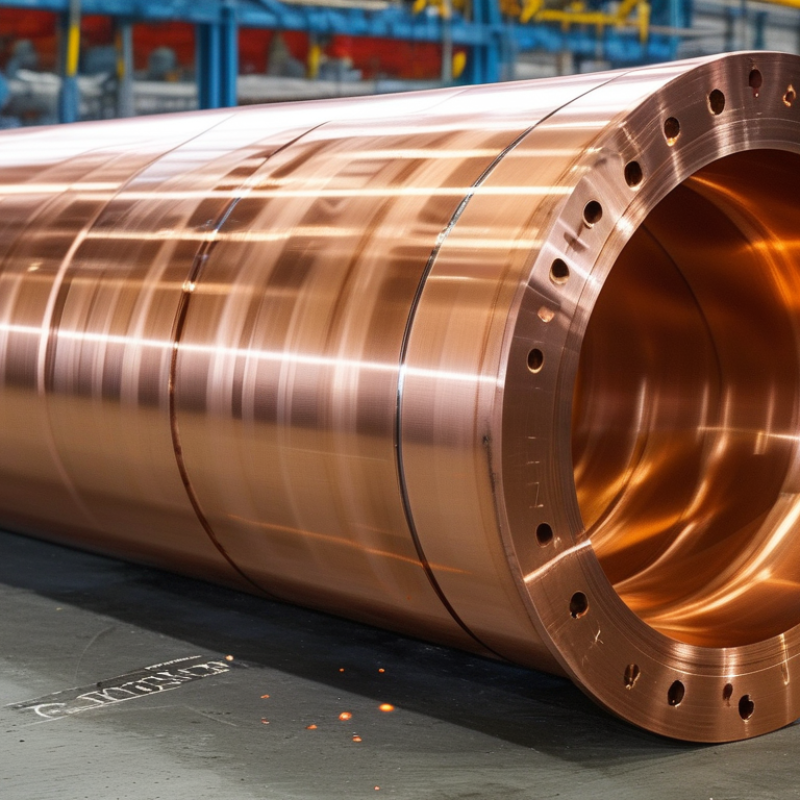
Top Uses of Copper and Tellurium Alloy in 2026?

Overview of Copper and Tellurium Alloys

Copper and tellurium alloys are gaining attention for their unique properties. These materials exhibit excellent electrical conductivity, making them suitable for various applications. They also offer enhanced resistance to corrosion and wear, which is essential for long-lasting components. In industries like electronics and renewable energy, their reliability is notable.

The versatility of copper-tellurium alloys lies in their adaptability. They can be molded into intricate shapes or forms, providing flexibility in design. This is crucial for manufacturing precision parts in technological devices. Their light weight also makes them favorable for industries looking to reduce material burdens without sacrificing performance.

**Tips:** When working with these alloys, consider their thermal properties. This can affect your application in high-heat environments. Proper handling is vital to maintain their integrity. Always consult professionals when unsure about specific uses.

Key Properties of Copper and Tellurium Alloys

Copper and tellurium alloys offer a blend of unique properties that make them valuable in various applications. Their significant electrical conductivity is a core advantage. This characteristic enhances performance in electronic components. The alloy's corrosion resistance also stands out, ensuring durability in harsh environments. The combination of these features makes copper-tellurium alloys ideal for applications in telecommunications and industrial machinery.

Another key property of these alloys is their excellent machinability. This trait allows for easier fabrication into precise components. There can be a trade-off, as higher content of tellurium may reduce ductility. It's crucial to find a balance to achieve the desired attributes. In certain cases, the performance in extreme temperatures may not match expectations. Engineers must consider these factors when selecting materials for specific projects. The alloy can sometimes be cost-effective, but evaluating long-term reliability is essential in making the right choice.

Top Uses of Copper and Tellurium Alloy in 2026

Industrial Applications in Electronics and Renewable Energy

Copper and tellurium alloys are becoming increasingly crucial in industrial applications, especially in electronics and renewable energy. By 2026, demand for these materials is expected to surge as manufacturers focus on enhancing efficiency and performance. A recent industry report highlights that copper-tellurium alloys offer superior conductivity and thermal properties, making them ideal for components in solar panels and electrical circuits.

In renewable energy, these alloys play a pivotal role. Solar cells utilizing copper-tellurium have shown improved absorption rates, translating to higher energy yields. Data indicates that integrating these materials can increase solar efficiency by up to 15%. Furthermore, their lightweight nature contributes to reduced transportation costs and easier installation in solar farms. This improvement is vital as the world shifts towards sustainable energy solutions.

In electronics, the versatility of copper-tellurium alloys cannot be understated. They are increasingly used in high-frequency devices, where traditional materials may fall short. Preliminary findings from ongoing studies reveal that these alloys can minimize signal loss significantly. However, there are challenges, such as costs and sourcing quality materials. The balance between performance and economic feasibility remains a topic for discussion among industry experts.

Emerging Trends in Copper and Tellurium Alloy Usage

Emerging trends in the usage of copper and tellurium alloys are shaping various industries. These materials are gaining attention for their excellent electrical conductivity and thermal stability. In 2026, a rising focus on renewable energy applications will particularly boost their demand. They are pivotal in manufacturing solar cells and other advanced energy systems.

As industries seek to improve efficiency, copper and tellurium alloys offer unique advantages. These materials can enhance the performance of electronic devices. The aerospace sector is also exploring their potential, especially in lightweight and durable components. These alloys may solve challenges related to corrosion resistance.

Tip: Consider the environmental impact of using these materials. Recycling and sustainable sourcing are crucial for future growth.

Despite their advantages, challenges exist. The market for these alloys can be volatile. Factors like fluctuating prices and supply chain issues might affect their application. Companies must adapt to these variables to maximize benefits from copper and tellurium alloys.

Tip: Stay informed about market trends. Continuous research can help navigate the complexities of material choices.

Future Prospects and Innovations by 2026

The landscape of copper and tellurium alloys is changing rapidly. By 2026, these materials are set to play a pivotal role in various industries. Their unique properties make them essential for electronics, renewable energy, and advanced manufacturing processes. As technology advances, the demand for these alloys will only increase.

Innovations are emerging in alloy composition, enhancing performance. For example, improvements in conductivity and corrosion resistance can lead to more efficient electronic components. These alloys are also becoming popular in solar panels, helping to convert sunlight into energy more effectively. The synergy between copper and tellurium allows for lighter, more durable materials that can withstand harsh environmental conditions.

Tips: When working with these alloys, consider implementing rigorous testing protocols. Evaluate how these materials perform in real-world applications. This approach can uncover limitations and guide future innovations. Continuous research and development are crucial for unlocking their full potential. Collaboration among industries will accelerate progress, ultimately benefiting everyone involved.

Top Uses of Copper and Tellurium Alloy in 2026

Application Description Market Growth (%) Key Benefits
Electrical Conductors Used for efficient electrical transmission systems. 15% High conductivity and thermal resistance.
Solar Panels Enhances the efficiency of photovoltaic cells. 20% Improved energy conversion rates.
Telecommunications Cables and components for communication systems. 10% Reduced signal loss and enhanced durability.
Medical Devices Used in diagnostic and therapeutic equipment. 12% Biocompatibility and corrosion resistance.
Aerospace Components Alloy in lightweight and durable aerospace materials. 8% High strength-to-weight ratio and temperature stability.

FAQS

: What are copper and tellurium alloys known for?

: They exhibit excellent electrical conductivity and resistance to corrosion, making them reliable in various applications.

How do these alloys benefit manufacturing?

Their adaptability allows them to be shaped into intricate designs, crucial for precision parts in technology.

What industries use copper-tellurium alloys?

Electronics, renewable energy, and advanced manufacturing rely on these materials for improved performance and durability.

Are there considerations when working with these alloys?

Yes, their thermal properties can be affected in high-heat environments; proper handling is essential.

What future developments can we expect by 2026?

Innovations will enhance performance, making these alloys more crucial in electronics and energy sectors.

How can testing protocols impact the use of these alloys?

Rigorous testing can reveal limitations, guiding innovations and ensuring materials perform well in practical applications.

Are copper and tellurium alloys lightweight?

Yes, their light weight allows industries to reduce material burdens without sacrificing functionality.

What role do these alloys play in renewable energy?

They are becoming popular in solar panels, improving the conversion of sunlight into energy.

Why is collaboration important in alloy development?

It accelerates progress, benefiting all sectors that rely on these materials for future innovations.

Are there risks involved with using copper and tellurium alloys?

Potential risks exist, highlighting the importance of consultation and careful handling in specific applications.

Conclusion

The article "Top Uses of Copper and Tellurium Alloy in 2026" provides a comprehensive overview of the significance and applications of Copper and Tellurium Alloy in various industries. It highlights the key properties of this alloy, such as its excellent conductivity and resistance to corrosion, making it particularly valuable in electronics and renewable energy sectors. As we approach 2026, the article discusses emerging trends that indicate a growing demand for Copper and Tellurium Alloy, driven by advancements in technology and sustainable practices.

Furthermore, the future prospects and innovations in the use of Copper and Tellurium Alloy suggest a strong trajectory for its application in new technologies, emphasizing its role in enhancing the performance and efficiency of electronic devices and energy systems. This positions Copper and Tellurium Alloy as a crucial material in meeting future industrial challenges and promoting sustainable development.


Sienna

Sienna

Sienna is a skilled marketing professional with a deep expertise in our company’s core products and services. With a passion for innovation and detail, she plays a pivotal role in crafting insightful blog posts that not only highlight the unique features of our offerings but also provide valuable......