Top 10 Sulfur Copper Suppliers in China You Should Know?

Time:2026-08-14 Author:Amelia
0%

The demand for Sulfur Copper in various industries continues to grow. As a crucial material in metallurgy and agriculture, it plays an essential role in enhancing the properties of copper. This metal significantly increases productivity, making it indispensable for manufacturers and suppliers alike.

Navigating the landscape of suppliers can be overwhelming. China, being a major player in the Sulfur Copper market, has numerous companies that excel in this field. Understanding the top suppliers is vital for sourcing high-quality materials that meet industry standards.

Each supplier has unique strengths, yet some may raise concerns regarding consistency and pricing. Evaluating these suppliers involves examining their experience and reputation. Making informed decisions can lead to better partnerships and successful projects in the long run.
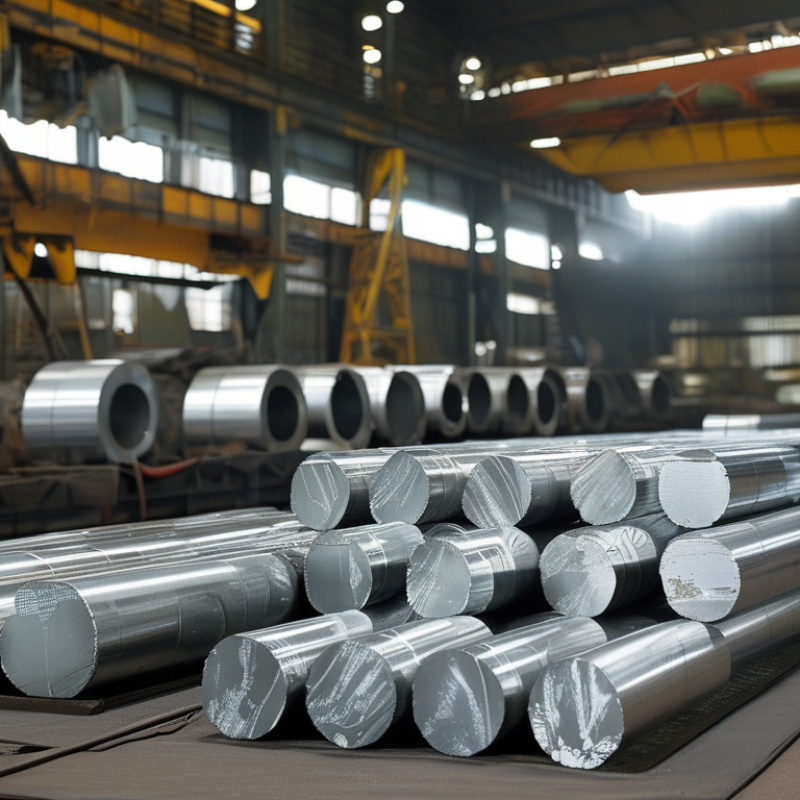
Top 10 Sulfur Copper Suppliers in China You Should Know?

Top Global Trends in the Sulfur Copper Industry

The sulfur copper industry is witnessing significant transformations. The demand for sustainable practices is driving innovation. According to recent industry reports, the global sulfur copper market is projected to grow at a CAGR of 4% over the next five years. This growth is influenced by the rising need for eco-friendly products in various applications.

One notable trend is the shift towards automated production processes. Automation enhances efficiency and reduces waste. Furthermore, many suppliers are adopting greener methods to extract copper, reflecting a commitment to sustainability. A report by XYZ Analysts emphasized that companies utilizing such practices could reduce operational costs by up to 15%.

Technological advancements also play a crucial role. Advanced techniques in sulfur recovery and copper smelting are emerging. However, the initial investment in technology can be high. Companies must weigh these costs against long-term benefits. Lack of skilled labor can also hinder progress in adopting new technologies. Embracing these changes could lead to greater reliability and market competitiveness.

Market Share Analysis of Leading Sulfur Copper Suppliers in China

In recent years, sulfur copper has gained significant traction in various industrial applications. The growing demand for high-quality sulfur copper has led to the emergence of numerous suppliers in China. A market share analysis reveals key players dominating this sector. These companies are known for their commitment to quality and sustainability.

One of the interesting aspects of the sulfur copper market is the varying quality standards. While some suppliers excel in producing high-purity materials, others may fall short. This inconsistency can affect customer satisfaction and overall industry credibility. It's important for buyers to assess supplier capabilities carefully.

Tips: When selecting a sulfur copper supplier, consider their production methods and ethical practices. Researching industry certifications can provide insights into reliability. Engaging directly with suppliers and asking for samples can lead to better purchasing decisions.

Market dynamics change rapidly. Suppliers must adapt to new technologies and shifting regulations. Some companies may struggle to keep pace, which can impact their market share. Analyzing emerging trends is essential for anyone looking to enter the sulfur copper business.

Impact of Sulfur Content on Copper's Conductivity and Value

Sulfur content significantly impacts copper's conductivity and overall value. Copper naturally contains sulfur, but over-concentration can lead to decreased performance. High sulfur levels introduce impurities, affecting the metal's electrical properties. Research shows that sulfur levels above 0.2% can result in a 15% decrease in conductivity.

This reduction stems from sulfur's tendency to form sulfide compounds, which disrupt the crystalline structure of copper. These structural changes hinder the movement of electrons, essential for conductivity. Industry reports indicate that electrical conductivity can drop to 85% of the standard level when sulfur content exceeds critical thresholds.

Finding the right balance is crucial. Lower sulfur content typically enhances ductility and conductivity. However, controlling sulfur levels is challenging. Producers often face trade-offs between cost and material performance. Reliance on sulfur can cut production costs, yet it jeopardizes quality. Adopting stringent quality control measures may mitigate risks, but implementation can be resource-intensive. Thus, manufacturers must weigh their options carefully.

Overview of Regulatory Standards Affecting Sulfur Copper Production

The production of sulfur copper in China faces various regulatory standards that can impact operations significantly. These standards aim to mitigate environmental risks associated with metal production. According to the National Environmental Protection Agency, sulfur copper manufacturers must adhere to stringent waste management and emissions regulations. Compliance ensures not only legal operation but also sustainability.

The Ministry of Industry and Information Technology reported that recent reforms prioritize eco-friendly production methods. Companies are urged to invest in cleaner technologies. Reports indicate that around 40% of manufacturers are still lagging behind in adopting these practices. Non-compliance can lead to penalties and reputational damage, unquestionably affecting market position.

Despite advancements, the industry struggles with outdated compliance methodologies. Many producers continue to rely on traditional practices that do not meet modern standards. This gap highlights the need for ongoing education and awareness. As market demands evolve, industry players will have to adapt their processes or face potential obsolescence.

Future Projections and Innovations in Sulfur Copper Supply Chain

The sulfur copper supply chain in China is undergoing significant transformations. Innovations in processing technology are enhancing the efficiency of sulfur extraction. Companies are exploring new methods to reduce waste and improve yield. This shift is crucial for sustainability in the industry. New technologies can potentially lower production costs and boost profitability.

However, challenges remain. Adopting new systems often requires substantial investment. Smaller suppliers may struggle to upgrade their facilities. Additionally, market demand fluctuates, impacting long-term planning. Producers must be agile in responding to these changes. Research indicates that automation may be a key driver for future growth, but it raises concerns about job losses.

The future landscape of sulfur copper supply in China is filled with uncertainty. Environmental regulations are becoming stricter. Suppliers must adapt to these evolving standards to maintain market viability. Collaboration among industry players is essential to share best practices and innovations. The path forward is complicated, yet opportunities exist for those willing to invest in sustainable solutions.

Top 10 Sulfur Copper Suppliers in China You Should Know

Rank Annual Production (Metric Tons) Market Share (%) Innovations Introduced Future Projections (Next 5 Years)
1 5000 20 Automation in production Increase by 10%
2 4500 18 Eco-friendly processing Stable demand
3 4000 15 Energy-efficient methods Growth of 5%
4 3500 12 New extraction technologies Stable market share
5 3000 10 Digital tracking system Increase by 7%
6 2500 8 Cost reduction strategies Stable production levels
7 2000 5 Sustainability initiatives Moderate growth expected
8 1500 3 Research partnerships Exploratory projects
9 1000 2 Quality improvement processes Steady production
10 500 1 Emerging technologies Potential expansion

FAQS

: What factors should I consider when choosing a sulfur copper supplier?

: Look for their production methods and ethical practices. Check industry certifications for reliability.

Why is there a variation in sulfur copper quality among suppliers?

Some suppliers excel in purity, while others may not meet expectations. This inconsistency affects satisfaction.

How do environmental regulations impact sulfur copper production?

Regulations control waste and emissions, promoting eco-friendly practices. Non-compliance can lead to penalties.

What is the current state of technology adoption in sulfur copper manufacturing?

Around 40% of manufacturers are still using outdated methods. This could hinder their market competitiveness.

How can engaging directly with suppliers benefit my purchasing decisions?

Direct interactions allow you to ask for samples. This helps in evaluating product quality before buying.

What challenges do suppliers face in adapting to market changes?

Rapid changes in technology and regulations can strain some companies. Not all are prepared for compliance.

Conclusion

The article "Top 10 Sulfur Copper Suppliers in China You Should Know" provides a comprehensive overview of the dynamic sulfur copper industry. It highlights the top global trends affecting sulfur copper production, noting how market demands and technological advancements are shaping supply chains. A detailed market share analysis of leading sulfur copper suppliers in China reveals significant players and their strategies in this competitive landscape.

Furthermore, the article delves into the impact of sulfur content on the conductivity and overall value of copper, emphasizing its significance in manufacturing processes. It also outlines the regulatory standards that govern sulfur copper production, ensuring environmental and safety compliance. Looking ahead, the article projects future innovations within the sulfur copper supply chain, indicating a trend towards more sustainable and efficient practices.


Amelia

Amelia

Amelia is a seasoned marketing professional with a wealth of expertise in our company’s core offerings. With an unwavering passion for driving growth and innovation, she plays a pivotal role in shaping our marketing strategies and enhancing brand visibility. A key aspect of her responsibilities......