Choosing a China-based supplier for C17200 Beryllium Copper requires more than comparing prices. Buyers should check alloy identity, heat-treatment condition, dimensions, traceability, and test documentation. The Copper Development Association’s technical data lists C17200 electrical conductivity at about 22% IACS and density near 8.25 g/cm³. Strength varies with product form and temper, so one headline figure cannot validate every coil, strip, or bar.
For supply context, the U.S. Geological Survey’s Mineral Commodity Summaries 2025 tracks beryllium production and trade, highlighting why buyers should assess sourcing as well as material performance. Supplier claims should be checked against current certificates and relevant test results. A polished website is not proof. Ask for the heat number.
This guide compares China’s leading C17200 Beryllium Copper suppliers through practical checks: available forms, stated tolerances, quality controls, and export experience. William D. Callister Jr.’s materials-science writing emphasizes the link between a material’s structure and its properties; applied here, processing and temper matter alongside the alloy designation. I could not verify a topic-specific quotation from a named C17200 expert, so I will not invent one. That is a limitation worth stating. Use the comparison as a shortlist, then confirm specifications directly with each supplier before ordering.
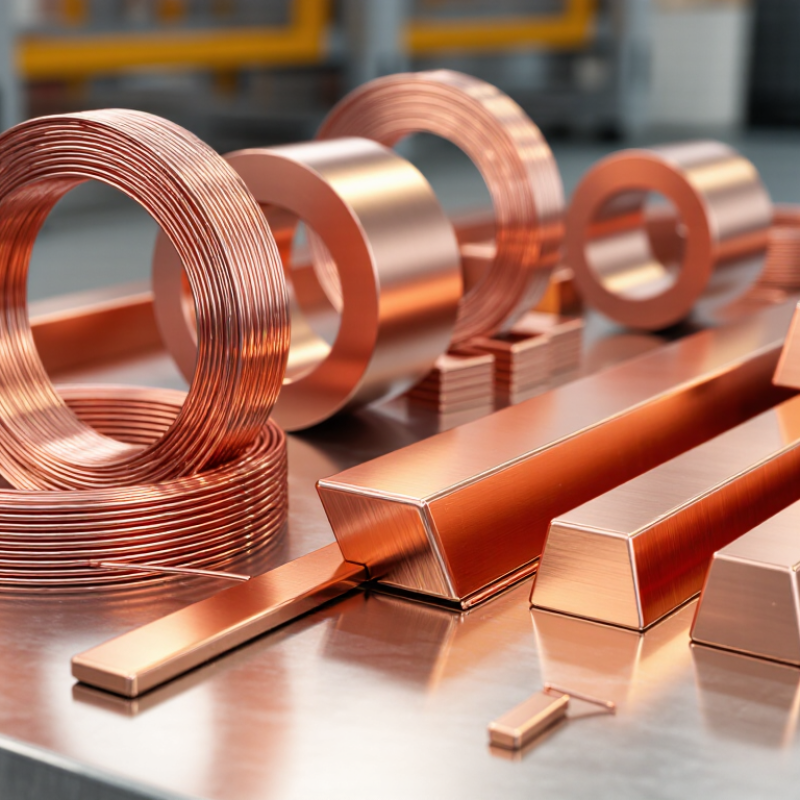
C17200, commonly called high-strength beryllium copper, is a copper alloy strengthened with beryllium. It is typically solution-treated and then age-hardened to develop high strength while retaining useful electrical and thermal conductivity. The exact balance depends on material condition and processing, so a grade name alone does not tell the whole story. That detail matters.
This combination suits components that flex repeatedly or carry current in compact spaces. Common applications include electrical connector contacts, switch parts, precision springs, and selected aerospace components. C17200 is also used for some molds and tools where strength and heat transfer are valuable. In practice, designers check the required temper, dimensions, and working environment before choosing it; conductivity and strength can vary with condition. It is easy to oversell the alloy as a universal upgrade, but it may be unnecessary where a less costly copper alloy meets the design needs. Fabrication also deserves care: machining or grinding can create hazardous dust, so appropriate industrial controls are important. The finished component’s specifications should be confirmed against reliable technical data, not assumed from the alloy designation alone.
Chinese C17200 suppliers typically start with verified copper and beryllium feedstock, then melt and cast the alloy under controlled conditions. Exact process settings depend on the product form and required specification. After casting, material may be hot worked into billet, bar, strip, or other stock. Solution heat treatment dissolves alloying elements into the copper matrix, and rapid quenching retains that condition for later processing. Small details matter. Temperature uniformity and transfer time can affect the material’s response to aging.
Suppliers commonly use cold working and age hardening to reach a balance of strength, hardness, and electrical conductivity. Aging must be controlled carefully: excess heat or time can change final properties. Machining and forming plans also matter, since the alloy’s condition affects tool wear and springback. Responsible production includes controls that limit worker exposure to beryllium-containing dust and fumes. Buyers can review material certificates and request test results for hardness, tensile properties, and conductivity. Even a consistent production line has variation; clear inspection records help reveal it before the material reaches a finished part.
Which Capabilities Distinguish Leading Chinese Suppliers?
A strong C17200 supplier controls more than alloy chemistry. It should document incoming material, furnace cycles, aging conditions, and batch traceability. Ask for test results tied to the actual shipment, not a generic product sheet. The Copper Development Association’s C17200 technical data lists conductivity around 22% IACS for age-hardened material; strength and conductivity vary with temper and product form. Numbers need context. Reliable suppliers explain the tested condition and method.
Production capability matters at the shop-floor level. Look for calibrated temperature records, consistent hardness checks, and mechanical testing aligned with the ordered form. ASTM B194 covers plate, sheet, and strip; ASTM B196 covers rod and bar. A supplier should show how its inspection plan addresses the relevant specification. Ask how it prevents mix-ups between solution-treated and aged stock. A clear answer is useful; a glossy certificate alone is not.
Leading suppliers also manage practical details: cutting tolerances, surface protection, packaging, and realistic lead times. Request sample inspection records and verify that heat or batch numbers connect to the material certificate. Some suppliers may have excellent equipment but weak documentation. That gap deserves scrutiny. Independent testing can help when the application is safety-critical or the first order is substantial.
| Capability area | What a capable supplier can provide | Evidence to request | Why it matters |
|---|---|---|---|
| Grade and composition control | Clear identification of C17200 (UNS C17200), with chemistry controlled to the applicable product specification. C17200 is a copper-beryllium alloy containing approximately 1.8–2.0% beryllium. | Mill test certificate showing the alloy designation, heat or lot number, and reported chemical analysis. | Confirms that the supplied material is the specified alloy and supports lot-level traceability. |
| Product-form coverage | Supply in the required form and dimensions, such as plate, sheet, strip, rod, bar, or wire, subject to the supplier’s actual production scope. | Product-specific capability list, available size range, dimensional tolerances, and confirmation of whether the product is made in-house or sourced externally. | Different product forms may be covered by different standards and production processes; capability should be confirmed for the exact item. |
| Standards and specification control | Ability to quote and manufacture to the relevant product specification and agreed purchase requirements. Common ASTM references include B194 for plate, sheet, strip, and rolled bar; B196/B196M for rod and bar; and B197/B197M for wire. | Written confirmation of the standard and edition, product form, temper, dimensions, and any agreed supplementary requirements. | A standard reference alone may not define every required property or tolerance; the order should state the applicable requirements clearly. |
| Temper and heat-treatment control | Control of the supplied condition, including solution-treated or age-hardened material where applicable, with processing appropriate to the ordered product and specification. | Certificate or process documentation identifying the supplied temper or condition, plus test results required by the purchase specification. | Mechanical and electrical properties depend on product form, temper, and processing; values should be checked against the exact specification rather than assumed. |
| Mechanical and electrical testing | Access to suitable testing for specified properties, which may include tensile strength, elongation, hardness, and electrical conductivity, depending on the product and order requirements. | Lot-specific test reports stating the test method, measured result, units, and acceptance criteria. | Test results help verify that the delivered material meets the agreed requirements for forming, strength, wear, or conductivity. |
| Dimensional and surface inspection | Inspection of dimensions and surface condition against the drawing, purchase specification, or applicable product standard. | Inspection records, agreed tolerance details, and a documented process for handling nonconforming material. | Consistent dimensions and surface quality reduce downstream sorting, rework, and assembly problems. |
| Traceability and quality documentation | Lot or heat identification maintained through packing and shipment, with documentation linked to the supplied material. | Sample certificate, traceability procedure, packaging-label example, and applicable quality-system certificate with scope and validity dates. | Traceability makes it easier to investigate quality issues and verify the origin and inspection status of a shipment. |
| Export packing and order communication | Packaging suited to the product form and transport route, with clear labels and agreed protection against handling or storage damage. | Packaging specification, shipment document checklist, and confirmation of lead time, minimum order quantity, and delivery terms. | Clear logistics arrangements help protect material condition and reduce delays caused by incomplete order or shipping information. |
| Beryllium safety information | Availability of a current safety data sheet and material-handling information. Processing beryllium-containing alloys can create hazardous dust or fumes, so workplace controls should be based on the specific operation and applicable regulations. | Current SDS, product identification, and written handling information relevant to the supplied form. | Supports informed risk assessment and safe handling during machining, grinding, or other operations that may generate airborne particles. |
| Buyer note: The indicators above are evaluation criteria, not claims about any particular supplier. Verify current capabilities, certificates, product-specific standards, and test results directly before placing an order. | |||
When evaluating a C17200 supplier, ask for documents tied to the exact product form, temper, and purchase specification. A polished certificate is useful, but it should identify the heat or lot, chemical composition, and relevant mechanical test results. For precipitation-hardened material, confirm the stated condition and whether hardness, tensile strength, or conductivity data match your application. Details matter.
Traceability should continue beyond the certificate. Check that heat or lot numbers appear on the material tags, packing list, and test report. Ask how the supplier handles mixed lots, relabeling, and nonconforming material. If a sample is tested, confirm that its identification links back to the delivered batch. A supplier’s quality-system certificate can show established processes, but it does not prove that every shipment meets your requirements. That is not enough.
Practical checks help. Request a recent, anonymized inspection record and compare its measurements with your drawing or specification. Ask whether testing is performed in-house or by an independent laboratory, and how instruments are calibrated. I would still verify a first shipment independently, especially when properties affect machining or electrical performance. Paperwork can look complete, yet small gaps in lot identification are easy to miss. A short review before dispatch may prevent a costly mismatch later.
When sourcing C17200 beryllium copper from China, start by defining the exact product form, dimensions, and temper. A thin strip and a round bar may require different production routes. Specify the required mechanical properties and electrical conductivity, since these depend on material condition and processing. Small details matter.
Ask suppliers for a material test certificate tied to the production batch. Check that it identifies the alloy, chemical composition, temper, and measured properties. Then confirm traceability from the certificate to the actual coils, bars, or sheets. A polished document is not enough. For a critical application, arrange independent testing on a representative sample before approving a large order.
Assess production control, not just quoted price. Ask how dimensions are inspected, how batches are identified, and how material is protected during packing and transport. Clarify lead time, minimum order quantity, inspection arrangements, and remedies for out-of-spec material in writing. I would not assume every supplier interprets a specification the same way; even a small mismatch in temper can affect performance. A detailed purchase specification can prevent avoidable surprises, though it cannot replace verification.
Suppliers melt and cast copper with beryllium feedstock. They may then hot-work it into bars, strips, or billets.
Solution treatment distributes alloying elements through the copper. Rapid quenching preserves that condition for later processing. Timing matters.
Controlled aging helps balance strength, hardness, and electrical conductivity. Too much heat or time can shift the final properties.
Request batch-linked records for chemistry, heat treatment, and inspection results. Check that the lot number matches the material tag and test report.
Hardness, tensile properties, and conductivity results can help confirm the ordered condition. Compare them with your specification and product form.
Ask how the supplier handles mixed lots, relabeling, and nonconforming stock. Follow one heat or lot number across the certificate, packing list, and tags.
No. They describe established processes, but shipment-specific results still matter. A neat certificate is not the whole story.
Review a recent inspection record and confirm instrument calibration. For a first or substantial order, independent testing may be worth considering. Small gaps are easy to miss.
C17200 Beryllium Copper is a high-strength copper alloy valued for its combination of electrical and thermal conductivity, hardness, fatigue resistance, and spring performance. These characteristics make it suitable for demanding components such as electrical contacts, connectors, precision springs, and other parts that require reliable performance over repeated use. Chinese suppliers may produce and process the alloy through controlled melting, forming, heat treatment, machining, and finishing, with the right methods depending on the required product form and application.
When comparing suppliers, buyers should assess their production capacity, technical expertise, process controls, and ability to meet precise specifications. Quality checks, relevant certifications, material test reports, and traceability records help verify consistency from raw material to finished product. Before sourcing C17200 Beryllium Copper from China, clarify grade, dimensions, temper, tolerances, testing requirements, packaging, lead times, and communication expectations. A clear specification and careful supplier evaluation can reduce misunderstandings and support a dependable purchasing relationship.

Kepai New Material