Choosing Cw113c Leaded Copper Material starts with the part’s job, not the alloy name alone. This copper-based grade is commonly considered for components that need efficient machining and dependable electrical or thermal performance. Its lead content can help chips break cleanly and reduce tool wear during turning. That matters when a shop produces small fittings, contacts, or precision parts in repeat batches. Still, machinability is only one part of the choice. A smooth cut does not guarantee the finished component will suit its service environment.
Before ordering, confirm the exact designation, applicable product standard, and material condition with the supplier. Ask for a mill test certificate and compare its stated chemistry with the drawing or purchasing specification. Check bar diameter, tolerances, surface condition, and whether the stock arrives straight and free from visible defects. Then assess operating temperature, electrical requirements, corrosion exposure, joining method, and application-specific restrictions. Some details are easy to overlook. A material that machines well may still be unsuitable for a corrosive location or a joint requiring a particular process. Do not rely on a trade name or a single catalog line. Review the component drawing, production volume, machining setup, and quality records together. If requirements remain unclear, request technical data and have a qualified engineer verify them. The best selection is not always the easiest one to machine. It is the one whose verified properties match the real part, with its limitations understood before production begins.
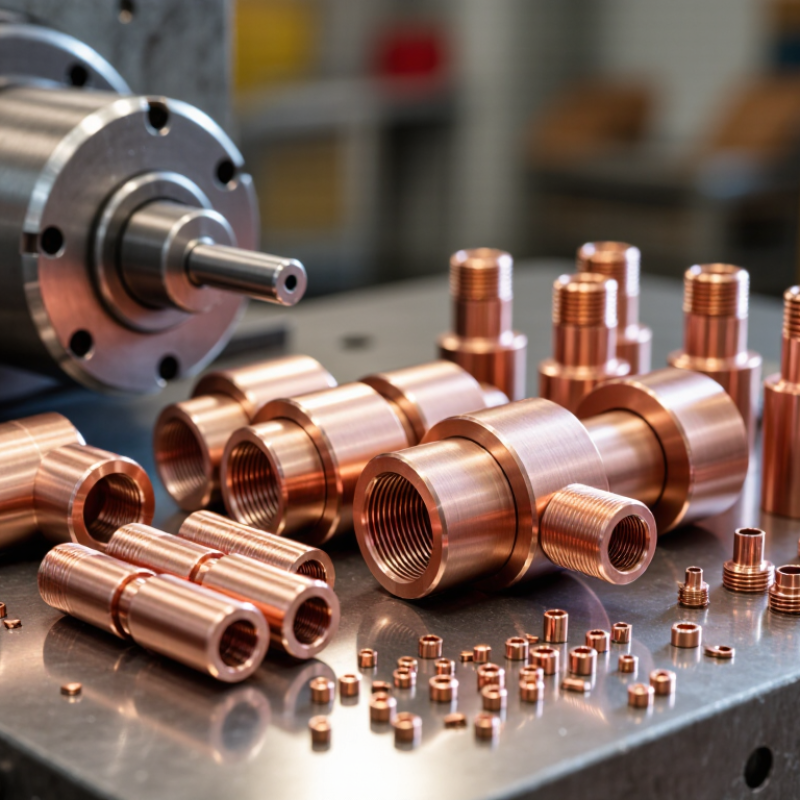
How to Choose CW113C Leaded Copper Material?
Identify CW113C Leaded Copper and Its Key Properties
CW113C is a leaded copper alloy commonly identified as CuPb1P. Its small lead addition improves machinability, while phosphorus supports deoxidation. The exact composition and limits should be confirmed against the applicable standard and material certificate. Do not rely on the grade name alone.
In machining, CW113C can produce cleaner cuts and more manageable chips than unalloyed copper. It still conducts heat and electricity, but typically less effectively than high-purity copper. Its performance depends on product form, temper, and manufacturing history. That detail is easy to overlook. For electrical contacts or precision parts, compare conductivity, strength, and dimensional requirements with the supplier’s test data before choosing stock.
Tips: Ask for a certificate showing the grade, chemistry, and temper. Check that the material form suits your process, such as rod for turning or strip for stamping. During machining, use appropriate controls for lead-bearing chips and keep them separate from general scrap. Small differences matter. If the part operates in a corrosive environment, test the finished component under realistic conditions; alloy designation alone cannot predict service life.
| Selection dimension | CW113C information | What to check before choosing |
|---|---|---|
| Material identity | CW113C is a European copper alloy designation commonly associated with the CuPb1P leaded-copper family. | Confirm the designation against the applicable product standard, material certificate, and purchase specification. Do not rely on a trade description alone. |
| Composition profile | Copper is the principal element. Lead is intentionally added to improve machinability, with phosphorus used as a deoxidizing addition. Exact limits depend on the governing specification. | Request certified chemical analysis and verify the permitted limits for the ordered product form and standard edition. |
| Machinability | Lead-bearing constituents help promote chip breakage and support efficient machining compared with unalloyed copper. | Check required surface finish, chip control, tooling, and machining conditions using representative production trials. |
| Electrical and thermal conductivity | It remains a copper-rich conductive alloy, but its conductivity is lower than that of high-purity copper. | For current-carrying or heat-transfer parts, obtain certified conductivity data and confirm that it meets the design requirement. |
| Mechanical properties | Strength, hardness, and ductility depend on product form, manufacturing route, and temper; a single value should not be assumed for every supply condition. | Specify the required condition and verify tensile, hardness, or elongation values on the certificate or applicable standard. |
| Corrosion behaviour | Copper-rich alloys can perform well in many environments, but performance depends on the medium, temperature, and exposure conditions. | Assess the actual service environment, especially for aggressive chemicals, marine exposure, or contact with dissimilar metals. |
| Forming and joining | Suitability for forming, soldering, brazing, or welding depends on the component design and process. Lead-bearing material requires particular care during thermal operations. | Validate the joining method with the supplier and process engineer. Use appropriate exposure controls where heating may generate hazardous fumes. |
| Typical component fit | Its machinability can make it a candidate for precision-turned copper components where conductivity and reliable machining are both important. | Compare the required electrical, mechanical, dimensional, and regulatory performance with the finished-part specification. |
| Lead-related compliance | CW113C contains intentionally added lead; suitability is not automatic for potable-water, consumer, electrical, or other regulated applications. | Check applicable lead-content restrictions, exemptions, customer requirements, and end-use regulations in every destination market. |
| Procurement checks | Material identity and performance should be traceable to the specified standard and supply condition. | Specify designation, standard, product form, dimensions, temper, inspection documents, and any required chemical or mechanical test results. |
Important: Composition limits and property values can vary with the applicable standard, product form, and temper. Confirm the current specification and certified test data before final material selection.
Record current, acceptable voltage drop, temperature, load, and service conditions. “Good conductivity” is too vague.
Calculate heating at the actual current and duty cycle. Confirm the part can release that heat.
No. Alloy composition and product condition affect performance. Request data for the actual grade and form.
Check strength, hardness, dimensions, surface finish, and wear or vibration demands. Small differences matter.
Trial the intended feed rate and cutting fluid on a representative piece. Test the actual lot.
Look for the grade, chemical composition, product form, test results, and batch or heat number.
Keep the certificate with receiving records. Mark remaining stock so its batch identity stays visible.
No. A sample may reveal burrs or dimensional drift, but it cannot confirm the final batch. I might overlook that distinction.
Choosing Cw113c Leaded Copper Material starts with understanding its composition and key properties, including its machinability, strength, conductivity, and corrosion behavior. Then define the part’s mechanical and electrical requirements so the material can be assessed against the demands of its intended function. Consider factors such as load, temperature, exposure to moisture or chemicals, and the operating environment, since these conditions can affect service life and performance.
Before making a selection, verify that the material documentation identifies the relevant grade and applicable standards, and check that certification and traceability records are available. Supplier quality controls, inspection practices, production consistency, and delivery capability also matter. Comparing these factors alongside technical requirements helps ensure the selected material is suitable, dependable, and available when needed.

 Kepai New Material