What Is C18700 Leaded Copper Used For?

Time:2026-10-03 Author:Ethan
0%

C18700 Leaded Copper is a specialized copper alloy valued for its balance of conductivity, machinability, and dependable mechanical performance. It is commonly selected for precision-machined electrical components, plumbing fittings, valve parts, and connectors. The lead content helps cutting tools produce cleaner threads and smoother surfaces. That matters when a fitting must hold a tight seal or a connector must maintain accurate dimensions.

Metallurgist Dr. James R. Davis offers a useful principle: “Alloy selection must match the service conditions, not simply the catalog name.” This idea explains why C18700 Leaded Copper should not be chosen only because it machines easily. Engineers also examine electrical load, pressure, temperature, corrosion exposure, and joining requirements. A factory may use it for switchgear terminals, small valve bodies, and intricate parts with drilled passages. In each case, the alloy reduces machining difficulty and can improve production consistency.

The details matter.

However, C18700 Leaded Copper is not a universal solution. Its lead content can restrict certain joining methods and may require careful handling during manufacturing. Designers must also confirm current material specifications, supplier certification, and application requirements. Some older product descriptions are incomplete or confusing. That is a real weakness in alloy selection.

This guide explains where C18700 Leaded Copper performs well, why manufacturers use it, and which limitations deserve attention. It focuses on practical applications rather than promising one material can solve every engineering problem.
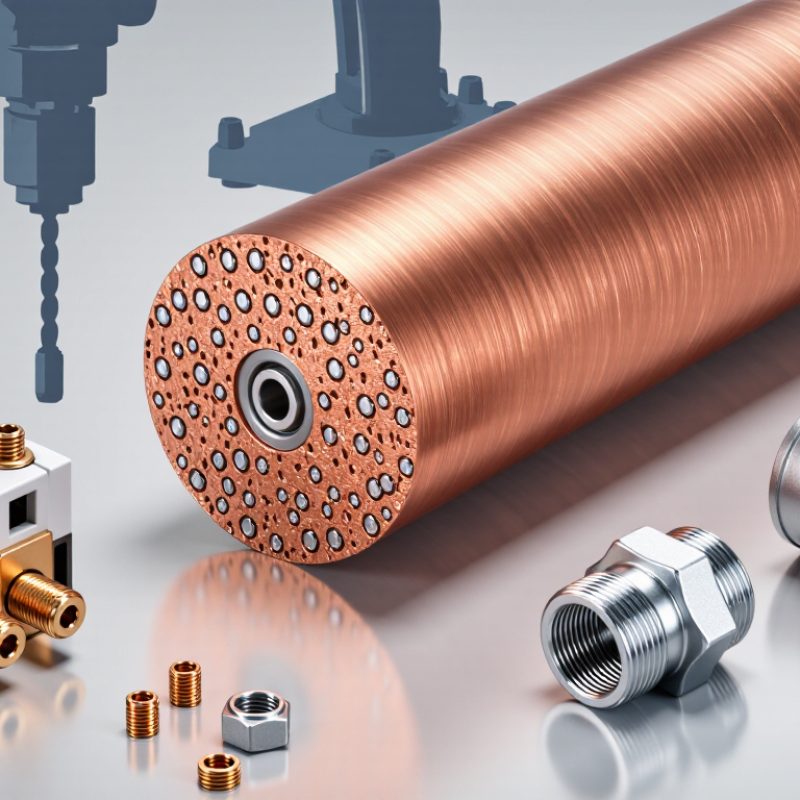
What Is C18700 Leaded Copper Used For?

C18700 Leaded Copper: Composition and Key Material Properties

What Is C18700 Leaded Copper Used For?

C18700 leaded copper contains copper as its main element, with approximately 1.5–2.5% lead. Small limits apply to iron and zinc. This composition changes how the metal behaves during machining. Lead forms tiny discontinuous areas within the copper matrix. These areas help cutting tools produce short, manageable chips. They also reduce friction during turning, drilling, and threading.

The alloy keeps useful electrical and thermal conductivity, although it performs below nearly pure copper. It offers good corrosion resistance in many ordinary industrial environments. Its machinability is the main attraction. C18700 is commonly selected for terminals, connectors, switch components, precision fittings, and machined electrical parts. Smooth threads are easier to produce. Surface finish can also improve.

It is not a universal copper alloy. Lead can reduce ductility and may limit suitability for demanding forming operations. Engineers must also check product-contact and environmental requirements before specifying it. A part intended for potable water needs special review. Assumptions can become expensive. In production, tool geometry, cutting speed, and chip control still need practical testing. The published composition is only the starting point.

How C18700 Leaded Copper Performs in Manufacturing

C18700 leaded copper performs well when manufacturing demands clean, repeatable machining. Its copper base provides useful electrical conductivity, while the lead content helps cutting tools produce smoother chips. This matters when factories make terminals, connector parts, switch components, and small electrical fittings in high volumes.

On a CNC lathe, C18700 can reduce cutting resistance and help maintain consistent dimensions. Machinists often notice cleaner surfaces around drilled holes and turned edges. The alloy also supports efficient production because tools may experience less severe chip-related interruption. However, results depend on feed rate, cutting speed, tool geometry, and coolant control. A poor setup can still create burrs.

It is not perfect. Leaded copper is less suitable for operations that require strong joining or extensive hot forming. Welding performance may require special process control, and the alloy’s lead content demands careful material handling and compliance review. Engineers should confirm the applicable material standard before production begins. They should also test conductivity, hardness, surface finish, and dimensional stability on actual parts. Laboratory data helps, but the machine shop often reveals practical weaknesses first. Small changes in tooling can make a surprising difference.

Common Electrical and Industrial Uses of C18700

What Is C18700 Leaded Copper Used For?

C18700 leaded copper is mainly used for electrical and industrial components requiring conductivity and easy machining. Its typical composition contains about 0.6–1.2% lead, while conductivity commonly reaches approximately 85% IACS, according to Copper Development Association alloy data. This balance supports terminals, connector bodies, grounding hardware, switchgear parts, and small busbar fittings. It conducts current efficiently. It also machines cleanly.

ASTM B301/B301M identifies free-cutting copper rod, bar, and shapes for electrical and mechanical applications, including alloys such as C18700. In workshops, manufacturers often select it for threaded parts, cable connectors, valve components, and precision fittings. Its lead addition can reduce cutting resistance and improve tool life, especially during repeated turning operations. However, the alloy is not ideal for every electrical design. Engineers must check current load, temperature rise, joint pressure, and surface condition before approval. A poor fit remains possible.

The U.S. Geological Survey reported global refined copper production near 27 million metric tons in 2024, showing the scale of copper demand across power and manufacturing systems. That figure does not measure C18700 use specifically, but it highlights the broader infrastructure behind copper-alloy applications. In practice, designers should also review the relevant material certificate and machining specifications. Lead-bearing swarf requires controlled handling and responsible recycling. Performance matters. So does process discipline.

What Is C18700 Leaded Copper Used For? - Common Electrical and Industrial Uses of C18700

Application Area Typical C18700 Component Why C18700 Is Used Relevant Performance Characteristics Manufacturing Considerations
Electrical connectors Connector bodies, contact supports, and terminal components Provides a practical balance between electrical conductivity, strength, and machinability. Good current-carrying capability; copper-base thermal and electrical performance. Suitable for precision machining, drilling, tapping, and turning; final properties depend on temper and product form.
Electrical terminals Cable terminals, lugs, clamps, and grounding hardware Lead improves free-machining behavior, helping produce clean threads, holes, and small features. Reliable conductivity combined with useful mechanical stability for low- to moderate-load electrical hardware. Machining parameters should account for lead-containing chip formation and the selected material temper.
Switchgear and control equipment Switch parts, contact carriers, busbar fittings, and small conductive hardware Offers conductive copper performance while allowing economical production of complex shapes. Good thermal and electrical conductivity; dimensional consistency is available through controlled product forms. Machined parts should be evaluated for the required current, temperature rise, and contact-service conditions.
Precision-machined electrical parts Small housings, threaded inserts, sleeves, pins, and fittings The leaded structure generally improves cutting performance and helps reduce machining difficulty compared with unalloyed copper. Good machinability with useful conductivity and corrosion resistance in suitable service environments. Often selected when tight dimensional control and repeatable high-volume machining are important.
Industrial control systems Sensor fittings, electrical mounting parts, and conductive adjustment hardware Supports compact designs that require both conductivity and accurately machined features. Stable copper-alloy behavior in ordinary industrial environments; performance varies with exposure and design. Surface treatment, plating, or additional environmental testing may be required for demanding applications.
Automotive and transportation electrical hardware Machined terminals, electrical fittings, and connector-related components Combines conductivity with efficient production of small, detailed parts. Useful electrical and thermal performance; suitability depends on vibration, temperature, corrosion, and regulatory requirements. The selected temper, surface finish, and joining method should be matched to the operating environment.
Low-pressure fluid and instrumentation fittings Small valves, adapters, threaded fittings, and instrument connections Good machinability helps create accurate threads and sealing surfaces in compact fittings. Copper-alloy corrosion resistance is useful in many ordinary service conditions. Confirm compatibility with the fluid, pressure, temperature, and applicable plumbing or safety requirements.
General industrial hardware Bushings, spacers, washers, pins, and custom-machined parts Provides a cost-effective option when moderate strength, conductivity, and machining efficiency are required. Good machinability and useful resistance to atmospheric corrosion in appropriate conditions. Not normally the first choice for high-load structural parts, severe wear, or high-temperature service without engineering verification.

Note: C18700 is a leaded copper alloy. Exact composition, conductivity, strength, machinability, and permissible applications depend on the applicable material standard, product form, temper, and service conditions.

Why Manufacturers Choose C18700 for Precision Components

What Is C18700 Leaded Copper Used For?

Manufacturers choose C18700 for precision components because it balances machinability, conductivity, and dimensional stability. The alloy contains a controlled lead addition, helping cutting tools produce clean threads, grooves, and narrow slots. That matters when making terminals, connector parts, valve stems, and small electrical fittings. Copper Development Association data places C18700 near 85% IACS conductivity, although actual results depend on temper and processing.

The alloy also supports efficient high-volume machining. Its lead content reduces friction during turning, which can improve tool life and surface consistency. ASTM B301/B301M provides relevant requirements for copper alloy rod and bar products, including dimensions and mechanical performance. Those details help purchasing teams compare incoming material with production drawings. Small variations still matter. A tight tolerance can fail after plating or assembly.

Industry demand adds another reason to value predictable copper alloys. The U.S. Geological Survey reported approximately 22 million metric tons of global mined copper production in 2023. That scale supports broad availability, but it does not guarantee identical batch behavior. Manufacturers should verify conductivity, hardness, lead content, and machinability through mill certificates and incoming inspection. C18700 is not ideal for every application. Its leaded structure can limit choices where maximum ductility, welding performance, or lead-free compliance is required. Sometimes, the cheaper machining cycle creates a later engineering compromise.

Factors to Consider When Selecting C18700 Leaded Copper

What Is C18700 Leaded Copper Used For?

C18700 leaded copper is used for machined electrical and mechanical components. Its lead content improves chip breaking during turning and drilling. This makes it suitable for terminals, connectors, switches, and small precision parts. It also retains useful electrical and thermal conductivity. The balance is practical, not perfect.

When selecting C18700, start with the required conductivity and machining rate. A component carrying current may need stable resistance across its working temperature. A high-speed production line may value clean chips and longer tool life. Check the alloy temper, because hardness and formability can change with processing. These details matter.

Consider the service environment carefully. Moisture, chemicals, heat, vibration, and contact pressure can affect performance. C18700 may not be the best choice for severe wear or high-temperature applications. Lead content can also restrict use in drinking-water systems and other regulated environments. Always verify current material requirements before approval.

Joining method deserves attention too. Brazing, soldering, and welding can produce different results with leaded copper. Ask for tested procedure data instead of relying on a general alloy chart. Mill certificates, dimensional tolerances, and conductivity reports improve traceability. A common mistake is choosing the alloy only for easy machining. That shortcut may create trouble later.

FAQS

What is C18700 leaded copper?

C18700 is a copper alloy with a controlled amount of lead. Its exact composition depends on the supplied product specification. Always check the material certificate.

Why is C18700 easy to machine?

Small lead-rich areas interrupt the copper matrix. They help cutting tools produce short chips. Friction also decreases during turning, drilling, and threading. That sounds simple, but tooling still needs testing.

Which components commonly use C18700?

Typical parts include terminals, connectors, switch components, and precision fittings. Manufacturers also machine threaded electrical parts and small valve components. A finished fitting may show cleaner threads and smoother grooves.

Does C18700 conduct electricity well?

Yes, it retains useful electrical conductivity. Reported conductivity is often near 85% IACS, depending on temper and processing. It performs below nearly pure copper. That difference may matter in high-current designs.

Why do manufacturers select C18700 for repeated production?

Its machinability can reduce cutting resistance and improve tool life. Clean chips may simplify automated turning operations. Consistent dimensions are easier to maintain. Still, one batch may behave differently from another.

Is C18700 suitable for demanding forming operations?

Not always. Lead can reduce ductility and limit severe bending or forming. Designers should review bend radius, temper, and required shape. A part that machines well may form poorly.

Can C18700 be used near water or product-contact systems?

It requires application-specific review. Lead-bearing alloys may not suit every product-contact or drinking-water application. Check current material requirements before approval. Do not rely on appearance alone.

What should engineers verify before purchasing C18700?

Verify composition, conductivity, hardness, dimensions, and machining behavior. Review the material certificate and inspect incoming bars or rods. Check current load, temperature rise, joint pressure, and surface condition. Published values are only a starting point.

How should manufacturers handle C18700 machining waste?

Lead-bearing chips should be collected separately and handled responsibly. Keep swarf away from general waste and uncontrolled work areas. Use suitable recycling procedures and workplace controls. Process discipline matters.

Conclusion

C18700 Leaded Copper is a copper alloy designed to combine reliable electrical and thermal conductivity with improved machinability. Its copper base provides efficient heat and current transfer, while carefully balanced alloying elements and lead help cutting tools produce clean, accurate shapes with reduced friction and tool wear. These properties make the material suitable for parts that require both functional performance and precise manufacturing.

In manufacturing, C18700 Leaded Copper is commonly considered for electrical connectors, terminals, switch components, contact parts, plumbing-related fittings, and other industrial pieces that may need repeated machining. Manufacturers choose it when dimensional accuracy, smooth production, corrosion resistance, and dependable conductivity are important. When selecting C18700 Leaded Copper, users should evaluate the required strength, conductivity, operating temperature, corrosion conditions, machining method, surface finish, and applicable safety or material standards. Its suitability ultimately depends on the balance between performance requirements, production efficiency, and the intended service environment.


Ethan

Ethan

Ethan is a seasoned marketing professional with a deep expertise in our company's innovative product line. With a passion for sharing knowledge and insights, he takes the lead in regularly updating our corporate blog, where he explores industry trends, product features, and effective marketing......