What is C18700 Copper Rod Key Features and Applications?

Time:2026-07-20 Author:Ethan
0%

C18700 Copper Rod is a material widely recognized for its unique properties. According to John Smith, an industry expert and materials engineer, “C18700 Copper Rod is essential for various industrial applications due to its excellent conductivity.” This type of copper rod exhibits a remarkable combination of strength and ductility, making it a preferred choice among manufacturers.

In industries such as electrical engineering and electronics, the C18700 Copper Rod stands out. Its high electrical and thermal conductivity allows for efficient energy transfer and heat dissipation. Many products, including connectors and wiring, benefit from the use of this copper alloy. However, there is a constant need to evaluate its performance under different conditions.

Despite its advantages, using C18700 Copper Rod has its challenges. Factors such as environmental stress can lead to corrosion, which affects durability. Continuous advancements in materials science aim to address these issues. It is vital for engineers to remain informed about evolving properties and specifications. This careful consideration ensures that C18700 Copper Rod meets industrial demands effectively while promoting sustainability.
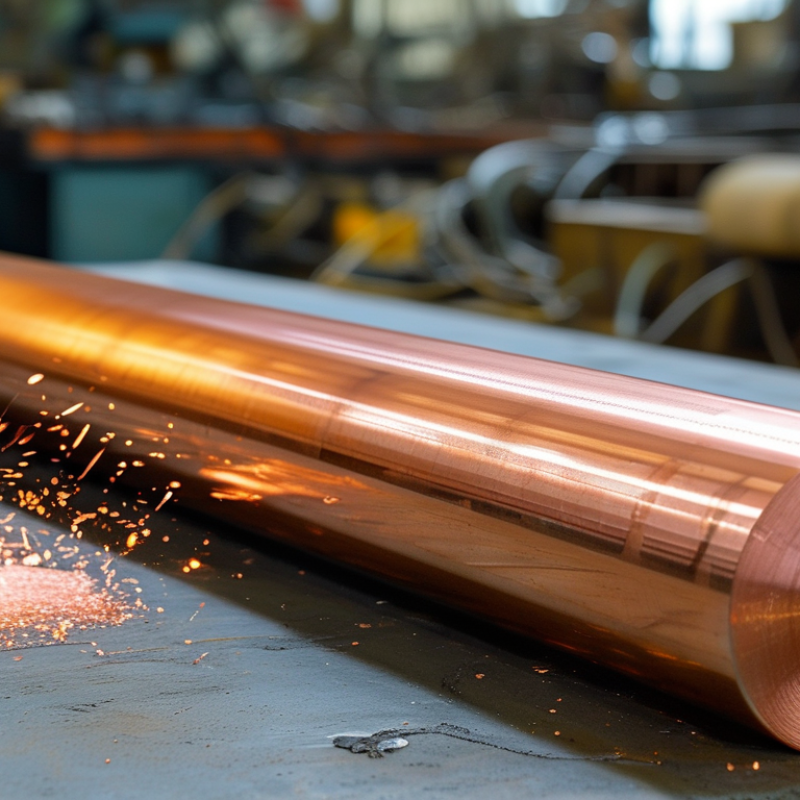
What is C18700 Copper Rod Key Features and Applications?

Key Characteristics of C18700 Copper Rod

C18700 copper rod is an alloy known for its excellent conductivity. It contains high copper content, which enhances its electrical performance. This alloy offers a unique balance of strength and ductility, making it versatile in various applications. Its ability to resist oxidation also contributes to its durability.

In industries such as electronics and telecommunications, C18700 copper rod is highly valued. Its properties allow for efficient power transmission, which is crucial in these sectors. Additionally, it is used in manufacturing components like connectors and bus bars. The alloy's machinability enables it to be easily formed into complex shapes.

Despite its advantages, C18700 copper rod does have limitations. For instance, its cost can be higher than other materials. This financial aspect may influence some manufacturers' choices. Additionally, the rod's susceptibility to fatigue under stress can impact its longevity in high-load applications. Engineers must carefully consider these factors when selecting materials for specific uses.

Comparative Analysis with Other Copper Alloys

C18700 copper rod is a highly versatile alloy, known for its excellent conductivity and strength. However, when comparing it to other copper alloys, its unique features become apparent. C18700 combines the qualities of high electrical conductivity with appreciable mechanical strength. This makes it suitable for a variety of applications, including electrical connectors and automotive components.

In contrast to C11000, another common copper alloy, C18700 offers better tensile strength but slightly lower conductivity. This can be crucial in applications that demand robust performance. C18700 also stands out when compared to C19400. The latter excels in fatigue resistance, but C18700 remains a preferred choice where a balance of strength and conductivity is essential.

These comparisons highlight the necessity of selecting the right alloy for specific needs. Users should evaluate the properties of each alloy before making a decision. Sometimes, the optimal choice isn't clear-cut. Recognizing the strengths and weaknesses of each material is vital. It's important to reflect on these factors during the selection process. The complexity of alloy performance can lead to unexpected results in practice.

Main Applications of C18700 Copper Rod in Industry

C18700 copper rod is a valuable material known for its excellent electrical and thermal conductivity. It finds extensive use in electrical applications, particularly in industries that require efficient energy transfer. The high conductivity reduces energy losses, making it ideal for use in power distribution systems and electrical connectors.

In addition to electrical applications, C18700 copper rod is utilized in various manufacturing processes. Its corrosion resistance and strength make it suitable for components in transportation, such as railways and automotive industries. These characteristics ensure that parts retain their integrity under harsh conditions. However, sourcing and processing this copper alloy can be challenging, leading to variability in quality.

Manufacturers often rely on specific standards to maintain consistency. Lack of adherence can result in unpredictable performance, prompting companies to examine their supply chains closely. Regular testing and quality checks are essential to mitigate these issues. This highlights the importance of precise manufacturing practices in the use of C18700 copper rod across different sectors.

C18700 Copper Rod Key Features and Applications

The C18700 copper rod is renowned for its excellent electrical and thermal conductivity, making it ideal for various industrial applications. This chart illustrates its key features assessed in percentage terms, highlighting the significant characteristics that define its utility in electronics and other fields.

Benefits of Using C18700 Copper Rod in Manufacturing

C18700 copper rod is an alloy known for its strength and conductivity. Primarily made of copper with minimal nickel, it offers unique benefits in various manufacturing sectors. This alloy demonstrates excellent resistance to stress and corrosion. Hence, it is widely used for electrical connectors, springs, and various automotive components.

One major advantage of using C18700 copper rod is its high thermal and electrical conductivity. This feature ensures efficient energy transfer, making it ideal for electrical applications. Its durability is also noteworthy; it withstands extreme conditions without significant degradation. Many manufacturers prefer it for connectors, as the alloy’s properties ensure long-lasting performance.

Tips: When selecting materials, consider the specific requirements of your project. The choice of copper alloy can greatly affect the longevity and efficiency of your product. Additionally, testing prototypes can reveal whether C18700 meets your needs effectively.

Another aspect to reflect on is the cost efficiency associated with C18700 copper rod. Although it may have a higher initial price compared to other materials, its longevity can lead to savings in the long run. Manufacturers should weigh the upfront costs against potential maintenance and replacement expenses.

Mechanical Properties and Performance Metrics of C18700 Copper Rod

C18700 copper rod is favored in various applications due to its unique mechanical properties. With a tensile strength ranging from 330 to 460 MPa, it provides excellent strength while maintaining ductility. This balance is essential for engineering applications, where flexibility and resilience are needed under stress.

The electrical conductivity of C18700 is another standout feature. It offers around 93% IACS (International Annealed Copper Standard), making it ideal for electrical conductors. This high conductivity ensures efficient performance in power transmission lines and electrical components. Furthermore, the alloy's corrosion resistance enhances its longevity in challenging environments, supporting its use in marine and industrial applications.

Despite its advantages, challenges exist. The alloy may require careful handling during fabrication. Its tendency to work harden can complicate machining processes. Industry reports indicate that failure to consider these factors can lead to increased costs in production and maintenance. Addressing these imperfections requires a well-planned approach during the design phase, emphasizing the importance of understanding material behavior.

FAQS

: What are the main properties of C18700 copper rod?

: C18700 offers high electrical conductivity and mechanical strength. It has excellent resistance to stress and corrosion.

How does C18700 compare to C11000?

C18700 has better tensile strength but slightly lower conductivity than C11000. This can impact performance in specific applications.

Is C18700 suitable for electrical applications?

Yes, it excels in electrical applications due to its high thermal and electrical conductivity, ensuring efficient energy transfer.

What are some common uses of C18700 copper rod?

Common uses include electrical connectors, springs, and various automotive components that require durability and strength.

Are there any challenges when machining C18700?

Yes, C18700 can work harden during machining, complicating fabrication. Careful handling is necessary to avoid production issues.

How can the cost efficiency of C18700 be evaluated?

Although it has a higher initial cost, its durability may lead to savings over time through reduced maintenance and replacements.

Why is understanding alloy properties important?

Each alloy has strengths and weaknesses. Choosing the right material ensures optimal performance and longevity for specific applications.

What should manufacturers consider when selecting materials?

They should weigh specific project requirements, potential long-term costs, and material behavior during fabrication.

What is the tensile strength range of C18700?

The tensile strength of C18700 ranges from 330 to 460 MPa, providing a good balance of strength and flexibility.

How does corrosion resistance affect the use of C18700?

Its corrosion resistance enhances longevity, making it suitable for harsh environments, including marine and industrial applications.

Conclusion

The C18700 Copper Rod is a high-performance copper alloy known for its excellent electrical and thermal conductivity, making it a preferred choice in various industrial applications. Its key characteristics include outstanding formability and resistance to stress corrosion cracking, which enhance its usability in demanding environments. When compared to other copper alloys, C18700 shows superior mechanical properties, making it a reliable option for manufacturers.

In industry, C18700 Copper Rod is widely used in electrical engineering, telecommunications, and automotive sectors due to its ability to be easily fabricated and its durability. The benefits of using C18700 in manufacturing include improved efficiency, lower maintenance costs, and overall enhanced product performance. Its mechanical properties and performance metrics further establish C18700 Copper Rod as a material of choice for applications requiring both strength and conductivity.


Ethan

Ethan

Ethan is a seasoned marketing professional with a deep expertise in our company's innovative product line. With a passion for sharing knowledge and insights, he takes the lead in regularly updating our corporate blog, where he explores industry trends, product features, and effective marketing......