2026 Best Of Oxygen Free High Conductivity Tellurium Copper?

Time:2026-06-27 Author:Oliver
0%

Oft Oxygen Free High Conductivity Tellurium Copper has gained attention in various industries. This material stands out for its superior electrical properties and resistance to corrosion. Engineers and manufacturers often choose it for high-performance applications.

The conductivity of Oft Oxygen Free High Conductivity Tellurium Copper is remarkable, which makes it ideal for electrical connectors and component fabrication. Its low impurities enhance efficiency in transfer applications, but sourcing quality grades can be challenging. Users may encounter variations in performance based on the alloy composition.

Industry experts emphasize the need for reliable suppliers. Quality control ensures consistent conductivity and performance. However, not all products labeled as oxygen-free meet the expectations. Choosing the correct variant requires careful consideration and knowledge of specifications.
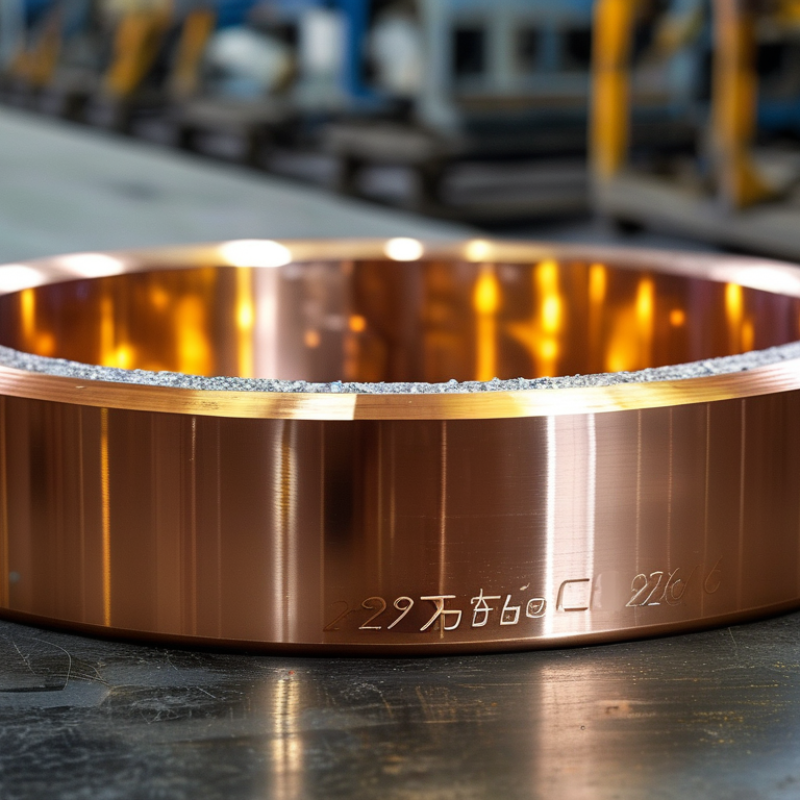
2026 Best Of Oxygen Free High Conductivity Tellurium Copper?

Overview of Oxygen-Free High Conductivity Tellurium Copper

Oxygen-Free High Conductivity Tellurium Copper (OFHC TeCu) stands out in many industrial applications. This copper alloy possesses exceptional electrical and thermal conductivity, making it ideal for high-performance components. Its oxygen-free processing helps eliminate impurities, ensuring better conductivity.

In industries like aerospace and electronics, the demand for reliable materials is ever-increasing. OFHC TeCu meets these needs, often used in wiring, connectors, and circuit boards. The fine grain structure enhances its strength and ductility. However, like any material, it has drawbacks. The production process can be complex and costly.

Precision in manufacturing requires careful attention. Even minor inconsistencies can affect performance. It's essential to ensure that the material is subjected to rigorous quality tests. Applications depend heavily on its reliability. In high-stakes environments, the integrity of the material must be absolute. Being aware of these factors can guide better decision-making in material selection.

2026 Best Of Oxygen Free High Conductivity Tellurium Copper

This chart illustrates the conductivity levels of various types of tellurium copper, including variations in purity and processing techniques.

Key Properties of Tellurium Copper in Electrical Applications

Tellurium copper stands out in electrical applications due to its excellent conductivity. This alloy combines copper with a small percentage of tellurium, improving its performance. The enhanced conductivity ensures efficient power transmission and reduces energy losses. This combination is crucial in high-performance electrical systems.

Another notable property of tellurium copper is its machinability. This alloy is easier to work with compared to pure copper. It allows for precise components with good surface finishes. However, some may find it challenging to source suitable tellurium copper grades. The availability issue requires careful consideration for manufacturers.

Thermal conductivity of tellurium copper is also noteworthy. It can dissipate heat effectively, protecting sensitive electrical components. Despite these advantages, some users report variability in quality among different suppliers. This inconsistency raises questions about product reliability. Choosing the right material requires thorough research and expertise in the field.

Comparison of Tellurium Copper with Other High Conductivity Alloys

Tellurium copper stands out in the realm of high conductivity alloys. Its electrical conductivity can reach up to 100% IACS (International Annealed Copper Standard). This makes it an attractive choice in industries requiring excellent electrical properties. However, comparisons with other alloys, such as silver-copper and gold-copper, reveal both strengths and weaknesses.

Silver-copper alloys typically offer superior conductivity due to silver's high intrinsic conductivity. Reports indicate that silver-copper can provide up to 106% IACS. However, this comes at a higher cost. When considering applications like electrical contacts or connectors, the investment in silver may not always justify the performance gain.

On the other hand, gold-copper is known for its corrosion resistance and stability. While its conductivity may reach about 70% IACS, the durability in harsh environments can be more advantageous. It raises questions about the balance between conductivity and long-term performance. The choice of alloy often hinges on specific application requirements, underscoring that there is no universally "best" material.

Applications and Industries Utilizing Tellurium Copper in 2026

In 2026, tellurium copper will find extensive applications across various industries. This material is prized for its high conductivity and excellent machinability. Industries like electrical, automotive, and telecommunications are increasingly adopting it because of its properties. According to recent reports, the global demand for high conductivity materials is expected to increase by over 5% annually.

Electrical applications often leverage tellurium copper for producing connectors and switches. Its ability to withstand fatigue makes it ideal for these purposes. In the automotive sector, this material contributes to enhancing the efficiency of electric vehicles. The growing market for EVs has led to a significant increase in tellurium copper usage in battery systems. Furthermore, aerospace technology has started to utilize this high-performance copper alloy for various components.

Tips: Ensure proper sourcing of tellurium copper. Not all suppliers provide high-quality materials. Keep up with industry news on advancements and market trends. Continual learning is essential in this rapidly evolving field. You might encounter supply chain issues with rare materials like tellurium. Always have contingency plans in place to mitigate risks.

Future Trends and Innovations in Tellurium Copper Manufacturing

The future of tellurium copper manufacturing is incredibly promising. This material is known for its exceptional conductivity and strength, making it ideal for various applications. Innovations are focusing on enhancing its properties while reducing production costs. Advanced technologies are being developed to refine the manufacturing process. These innovations aim for improved performance and sustainability.

Tips: Consider the environmental impact of the materials you choose. Sustainable practices can reduce waste and enhance product lifecycle.

Research also indicates that the demand for oxygen-free high conductivity tellurium copper will grow. Industries such as electronics, automotive, and renewable energy showcase its versatility. As production techniques evolve, manufacturers must adapt quickly to meet changing demands. Balancing efficiency with quality is crucial.

Tips: Stay informed about ongoing research in the field. This knowledge can guide better sourcing decisions.

Current challenges include managing the supply chain for raw materials. Variability can cause production delays and affect quality, urging manufacturers to create more resilient systems. Continuous improvement and adaptation are essential for long-term success in this market.

FAQS

: What makes tellurium copper ideal for electrical applications?

: Its excellent conductivity enhances power transmission and reduces energy losses in high-performance systems.

How does tellurium copper's machinability compare to pure copper?

It is easier to work with, allowing for precise components and better surface finishes.

Are there any sourcing challenges related to tellurium copper?

Yes, some manufacturers find it challenging to source suitable grades of tellurium copper.

What is a notable concern regarding the quality of tellurium copper?

Users report variability in quality among suppliers, which raises reliability questions.

How does tellurium copper manage heat dissipation in electrical components?

Its thermal conductivity allows effective heat dissipation, protecting sensitive components.

What future trends are emerging in tellurium copper manufacturing?

Innovations focus on enhancing properties while reducing production costs and improving sustainability.

Why is demand for oxygen-free high conductivity tellurium copper increasing?

Its versatility benefits industries like electronics, automotive, and renewable energy.

What current challenges do manufacturers face in tellurium copper production?

Managing the supply chain for raw materials is a significant challenge impacting quality and production times.

How can manufacturers ensure long-term success in the tellurium copper market?

Continuous improvement and adaptability are crucial to meeting changing demands and ensuring quality.

What should manufacturers consider regarding environmental impact?

Sustainable practices can enhance product lifecycle and reduce waste in the manufacturing process.

Conclusion

Oxygen Free High Conductivity Tellurium Copper is a highly sought-after material in electrical applications due to its exceptional properties, including superior conductivity, excellent machinability, and resistance to corrosion. In 2026, the demand for this alloy continues to grow, as it outperforms other high conductivity materials, making it a preferred choice across various industries such as electronics, telecommunications, and automotive.

Future trends indicate ongoing innovations in the manufacturing processes of Oxygen Free High Conductivity Tellurium Copper, focusing on enhancing its mechanical properties and expanding its applications. As industries evolve, the adaptability and efficiency of this alloy will play a significant role in meeting the increasing demands for high-performance conductive materials.


Oliver

Oliver

Oliver is a seasoned marketing professional with a wealth of expertise in driving brand awareness and engagement. With a deep understanding of our company's product offerings, he consistently delivers high-quality content that enriches our professional blog. His insights not only shed light on......