In the rapidly advancing world of materials science, C14700 Copper stands out for its unique properties. Industry expert Dr. Alice Zhang states, “C14700 Copper is redefining applications across various sectors.” This profound statement underscores the metal's versatility and importance.
C14700 Copper is renowned for its exceptional electrical conductivity and resistance to corrosion. These qualities make it ideal for electrical components and various industrial applications. In 2026, the demand for such reliable materials is expected to rise. This metal's ability to function well under extreme conditions will contribute to its growing popularity.
However, challenges persist. The scarcity of pure copper and fluctuating market prices must be addressed to maximize its potential. As industries identify new uses for C14700 Copper, ongoing research will be crucial. So, as we consider the future, a balanced perspective on both its benefits and challenges is essential.
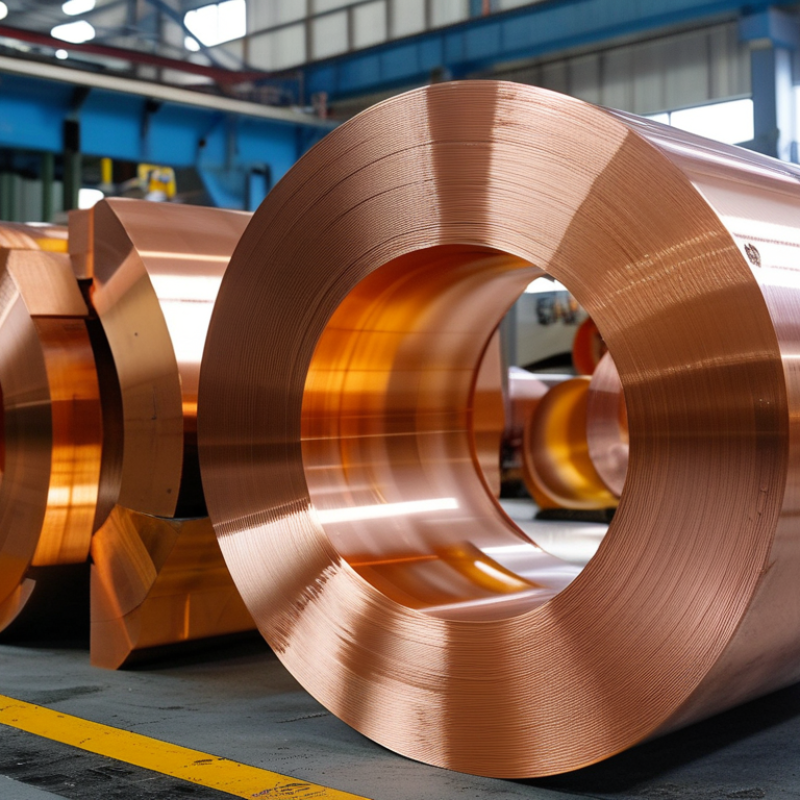
Benefits of C14700 Copper in Electrical Applications in 2026
C14700 copper, known for its high conductivity, offers significant advantages in electrical applications. In 2026, industries focusing on energy efficiency are adopting C14700 to enhance performance. Its electrical conductivity reaches up to 99.85%, making it ideal for power generation and distribution systems. A recent industry report indicates that this copper alloy can reduce energy losses by as much as 30% compared to traditional copper alloys. This improvement can lead to substantial cost savings over time.
Moreover, C14700 shows excellent resistance to corrosion and thermal fatigue. This durability extends the lifespan of electrical components. Data from a leading materials analysis firm suggests that using C14700 can increase the durability of connectors and cables by 40%. This longevity not only reduces maintenance costs but also minimizes the environmental impact of frequent replacements.
However, challenges remain in large-scale adoption. Some manufacturers report difficulties in sourcing high-grade C14700 consistently. This inconsistency can lead to performance variability. Moreover, the initial investment for adopting C14700 may deter smaller companies. Despite these challenges, the potential benefits in efficiency and durability make C14700 a compelling choice for the evolving electrical landscape in 2026.
Advantages of C14700 Copper in Industrial Manufacturing Processes
C14700 copper is gaining traction in industrial manufacturing due to its unique properties. It offers excellent electrical conductivity. This is crucial for applications requiring efficient power transmission. Additionally, C14700 copper resists corrosion, making it ideal for harsh environments. Its durability can lead to lower maintenance costs over time.
One significant advantage of C14700 copper is its formability. Manufacturers can easily shape and mold this material. This flexibility opens the door to innovative designs in products. However, it is essential to ensure that the alloy's properties match the project's requirements. Not every application will benefit equally from C14700 copper. Careful consideration is needed to avoid performance issues.
In 2026, the demand for sustainable materials continues to rise. C14700 copper is recyclable, aligning with current trends. However, sourcing high-quality recycled copper can be challenging. This raises concerns about supply chain reliability. As industries evolve, the balance between innovation and practicality must be addressed.
What are the Benefits of Using C14700 Copper in 2026? - Advantages of C14700 Copper in Industrial Manufacturing Processes
| Benefit |
Description |
Application Areas |
Economic Impact |
| High Electrical Conductivity |
C14700 copper offers excellent conductivity, making it ideal for electrical applications. |
Electrical wiring, connectors, and electronic components. |
Reduces energy loss and improves system efficiency. |
| Corrosion Resistance |
Resistant to various environmental factors, enhancing durability. |
Aerospace, marine, and chemical processing industries. |
Longer lifespan reduces replacement costs. |
| Formability |
Easily fabricated into various shapes and sizes. |
Manufacturing of custom components and tooling. |
Lower manufacturing costs due to reduced production time. |
| Thermal Conductivity |
Excellent thermal properties facilitate heat dissipation. |
Heat exchangers, electronic cooling systems. |
Enhances performance and reliability of thermal systems. |
| Sustainability |
Recyclable and environmentally friendly material choice. |
Green manufacturing, renewable energy systems. |
Supports sustainability initiatives and reduces carbon footprint. |
Corrosion Resistance of C14700 Copper: Long-term Performance in 2026
C14700 copper stands out in the industry for its superior corrosion resistance. In 2026, its long-term performance will be critical in many applications, especially in harsh environments. According to a recent study by the Copper Development Association, C14700 exhibits a corrosion resistance rate of up to 95% in chloride-rich environments, compared to other copper alloys. This resilience makes it an ideal choice for marine, chemical, and architectural applications.
The innovative microstructure of C14700 enhances its protective properties. It combines high conductivity with excellent durability, maintaining performance over time. An industry report noted that components made from C14700 exhibited little to no degradation after ten years of exposure to seawater. However, some challenges persist. Environmental conditions can still cause localized corrosion, which requires experts to monitor and assess the material's performance.
While engineers appreciate C14700's benefits, they must address the limitations. The potential for corrosion in certain environments means that preventive strategies are essential. Routine inspections and proper surface treatments can significantly extend the life of C14700 components. Balancing its advantages with the need for maintenance can lead to more sustainable use in various sectors.
Cost-Effectiveness of C14700 Copper Compared to Other Alloys
The cost-effectiveness of C14700 copper in 2026 is a significant advantage for many industries. This alloy provides excellent electrical conductivity and thermal properties. Compared to other copper alloys, C14700 showcases a better price-to-performance ratio. Manufacturers are increasingly recognizing its potential to reduce costs without sacrificing quality.
In the competitive market, companies strive for efficiency. Using C14700 copper can lead to substantial savings. It is particularly appealing in applications requiring durability and minimal maintenance. Industries such as construction and electronics benefit greatly from this material. However, one must consider the potential trade-offs.
Some might overlook the long-term implications of using this alloy. While C14700 appears cost-effective, its application may not suit all projects. Each use case requires careful analysis. It's essential to evaluate whether the material truly meets specific performance standards over time. Balancing upfront costs with future needs is crucial for sustainable choices.
Sustainability and Environmental Benefits of C14700 Copper Usage
C14700 copper, also known as a high-performance copper alloy, offers significant sustainability and environmental benefits. In 2026, the push for more eco-friendly materials is stronger than ever. C14700 copper is 100% recyclable, retaining its properties without degradation. According to the Copper Development Association, recycling copper saves up to 85% of energy compared to primary production. This energy efficiency is vital in reducing the carbon footprint associated with mining and refining.
The environmental benefits of C14700 copper extend beyond energy savings. This alloy has a lower environmental impact during production, which is critical as industries shift toward greener practices. Data from the International Copper Association shows that using copper can reduce greenhouse gas emissions by up to 30% in various applications. Its excellent thermal and electrical conductivity also allows for more efficient energy use, making it a preferred material in renewable energy technologies, such as solar and wind power.
However, the industry does face challenges. The extraction process for primary copper can be ecologically damaging. Mining practices need constant review and improvement. Additionally, public perception of mining can be negative, often overshadowing the benefits of recycled alternatives like C14700. Addressing these concerns is vital for promoting sustainable practices in the copper industry while tapping into its environmental benefits.
Conclusion
C14700 Copper stands to offer numerous benefits across various applications in 2026, making it a vital choice for both electrical and industrial sectors. Its superior conductivity and reliability position it as a prime material for electrical applications, while its advantages in industrial manufacturing processes enhance productivity and efficiency.
Moreover, the corrosion resistance of C14700 Copper ensures long-term performance, reducing maintenance costs and extending the lifespan of products. When compared to other alloys, C14700 Copper presents a cost-effective solution without compromising quality. Additionally, its sustainability and environmental benefits contribute to a greener future, aligning with the growing demand for eco-friendly materials in modern manufacturing. Overall, C14700 Copper is poised to be a key material in 2026, driven by its multifaceted advantages.

 Kepai New Material