In the realm of advanced materials, the use of Oxygen Free High Conductivity Tellurium Copper Sheet is gaining prominence. Dr. Emily Carter, a noted expert in metallurgical science, states, "The purity of oxygen-free copper is a game changer in conductivity.” Her insights highlight the unmatched advantages of this unique material.
Oxygen Free High Conductivity Tellurium Copper Sheet offers superior electrical conductivity compared to standard copper. This property is essential in industries like electronics, where efficiency is critical. It allows for faster signal transmission, reducing energy loss and improving overall system performance.
Yet, there are challenges. The sourcing and processing of these sheets require careful attention to detail. Any contamination can compromise their effectiveness. Therefore, understanding the manufacturing process is crucial for engineers and designers. Investing in this material can be beneficial, but one must navigate the complexities that accompany its use.
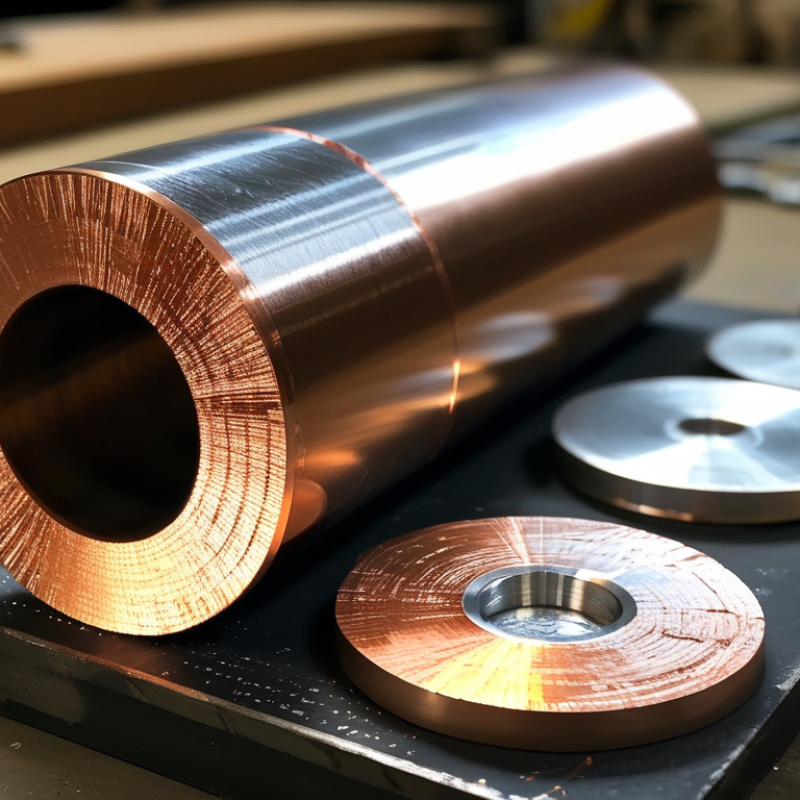
Oxygen Free High Conductivity (OFHC) Tellurium Copper Sheets offer numerous advantages in various applications. One significant benefit is their exceptional electrical and thermal conductivity. These materials excel in conducting electricity, making them vital in electrical components. This property enhances the efficiency of devices, particularly in power transmission applications.
Another advantage is their resistance to corrosion. OFHC Tellurium Copper Sheets perform well in hostile environments. This durability lowers maintenance costs over time. Additionally, they display excellent machinability, allowing for intricate designs without compromising integrity. Their ability to maintain strength at elevated temperatures further enhances their utility in specialized applications, such as in aerospace and medical devices.
Despite their benefits, sourcing quality materials can be challenging. Not all suppliers hold to stringent production standards. Ensuring reliable sourcing requires careful evaluation of suppliers. This dimension calls for ongoing reflection on quality and performance. Properly fabricated sheets can be a game-changer for manufacturers seeking reliable materials. Decisions must be rooted in empirical evidence to maximize the advantages of OFHC Tellurium Copper.
Oxygen Free High Conductivity (OFHC) Tellurium Copper Sheets are notable for their exceptional electrical conductivity, making them ideal for a variety of applications. Research indicates that OFHC copper can achieve conductivity levels up to 101% IACS (International Annealed Copper Standard). This surpasses that of standard copper, enhancing performance in electrical systems. Industries such as telecommunications and power generation rely heavily on materials like OFHC copper sheets for their reliability.
In addition to improved conductivity, the unique properties of tellurium copper enhance machinability and strength. This combination allows for intricate designs in electrical connectors and components. A recent study highlights that the addition of tellurium can increase strength up to 15% compared to pure copper. These properties are vital for applications requiring both conductivity and durability.
When selecting materials, consider your specific application. It's essential to evaluate both electrical performance and mechanical properties. You might reflect on how the choice of material affects system efficiency. Remember that the cost can vary widely based on the quality and sourcing of the copper. Opting for high-quality OFHC tellurium copper sheets could result in lower maintenance costs and higher overall efficiency in the long run. Make informed decisions to optimize your application outcomes.
Oxygen Free High Conductivity (OFHC) tellurium copper sheets are known for their exceptional mechanical properties. These sheets exhibit superior strength and durability, making them ideal for various industrial applications. According to the American Copper Council, OFHC copper has an electrical conductivity of 101% IACS, offering superior performance in electrical applications. The introduction of tellurium enhances machinability without compromising strength.
The tensile strength of OFHC tellurium copper can reach up to 570 MPa, providing reliability in demanding environments. This strength allows for thinner, lighter components that still maintain structural integrity under load. Such qualities are invaluable in aerospace, automotive, and electronics sectors, where every gram counts, and failure is not an option. Reliable data from materials science studies highlight that these sheets can endure high-stress conditions that would deform ordinary copper sheets.
Despite these advantages, users need to be aware of the alloy's limitations. OFHC tellurium copper is more expensive than standard copper. This cost might put it out of reach for some projects. Additionally, while tellurium improves machinability, excessive exposure to heat can diminish properties. Understanding these nuances is crucial for engineers and manufacturers when selecting the right materials for their specific needs.
The chart above illustrates the top five benefits of Oxygen Free High Conductivity Tellurium Copper Sheets, showcasing their excellent performance ratings in key areas such as electrical and thermal conductivity, corrosion resistance, mechanical strength, and ductility.
Oxygen Free High Conductivity Tellurium Copper (OFHC) sheets provide remarkable corrosion resistance. This feature significantly enhances their longevity, making them ideal for various applications in harsh environments. Without oxygen, these copper sheets undergo fewer oxidation reactions. Consequently, their integrity remains intact over time. This resilience is critical for industries that require reliable materials, like electrical and thermal applications.
When selecting OFHC sheets, consider the environment they will be used in. High humidity or pollution can accelerate corrosion in materials that don't have this level of protection. Employing OFHC gives peace of mind, knowing your components will last longer.
To maximize their lifespan, regular maintenance is key. Clean the sheets periodically to remove contaminants. This simple act can prevent surface degradation. Also, consider the surrounding materials. Compatibility matters. Combining OFHC with less resistant metals can create galvanic corrosion, ultimately compromising their durability. Even with strong materials like OFHC, careful planning is essential for long-term performance.
Oxygen Free High Conductivity (OFHC) Tellurium Copper sheets show versatility across multiple industries. In the aerospace sector, these sheets are valued for their high conductivity and strength. For example, OFHC copper typically exhibits electrical conductivity exceeding 101% IACS. This superior property makes it ideal for high-performance applications, such as avionics and communication systems.
In the renewable energy field, OFHC Tellurium Copper is essential for efficient energy transfer. Studies indicate that the copper's low resistance leads to less energy loss. A report from the International Energy Agency highlighted that optimizing materials in electrical grids could increase efficiency by up to 15%. This capability supports the growing demand for sustenance in renewable technologies.
Telecommunications also benefit from OFHC material. As data transfer rates increase, so does the need for reliable conductive materials. OFHC Tellurium Copper can handle high-frequency signals efficiently. This adaptability supports advancements in 5G technology. However, sourcing the right materials at competitive prices remains a challenge for many manufacturers. Assessing long-term supply stability is important as well.
| Benefit | Description | Applications |
|---|---|---|
| Exceptional Conductivity | Oxygen free tellurium copper provides superior electrical and thermal conductivity. | Electrical engineering, aerospace, renewable energy. |
| Corrosion Resistance | Resists oxidation and other forms of corrosion, ensuring longevity. | Marine applications, chemical processing. |
| Machinability | Easy to machine, allowing for complex shapes and intricate designs. | Manufacturing, custom components. |
| High Thermal Stability | Withstands high temperatures without losing properties. | Electronics, automotive applications. |
| Versatility | Suitable for a variety of applications across multiple industries. | Telecommunications, defense, industrial applications. |
: OFHC tellurium copper sheets are strong and durable. They have excellent mechanical properties ideal for industrial uses.
Tellurium enhances machinability without reducing strength. This balance is important for manufacturing processes.
The tensile strength can reach up to 570 MPa. This provides a reliable option for demanding applications.
It is used in aerospace, automotive, electronics, and renewable energy sectors. Its applications are quite versatile.
High conductivity and strength are key benefits. It allows for lighter components and efficient energy transfer.
It is more expensive than standard copper. Cost can limit accessibility for some projects.
Excessive heat exposure can reduce its desirable characteristics. This is critical for users to keep in mind.
OFHC copper reduces energy loss due to low resistance. This enhances efficiency in energy transfer applications.
Manufacturers often struggle with supply stability and competitive pricing. These factors can complicate project planning.
It's crucial for high-frequency signals and supports developments in 5G technology. This adaptability is essential for modern telecommunications.
Oxygen Free High Conductivity Tellurium Copper Sheet is an exceptional material renowned for its numerous advantages in various industries. One of its key benefits is its enhanced electrical conductivity, making it suitable for demanding applications such as electrical components and connectors. Beyond electrical efficiency, this type of copper sheet is celebrated for its superior mechanical properties, which provide remarkable durability and strength, essential for products that undergo stress and strain.
Additionally, Oxygen Free High Conductivity Tellurium Copper Sheet exhibits excellent corrosion resistance, ensuring improved longevity in diverse environments. These attributes make it a versatile choice for industries ranging from electronics to aerospace, where reliable performance and durability are paramount. Overall, the combination of enhanced conductivity, mechanical strength, and resistance to corrosion underscores the significance of Oxygen Free High Conductivity Tellurium Copper Sheet in modern manufacturing and engineering.

Kepai New Material