Global buyers are reexamining Bronze Copper as infrastructure, energy, and industrial demand continue to reshape material markets. The International Energy Agency’s Global Critical Minerals Outlook 2024 identifies copper as essential to grids, electric vehicles, and renewable power systems. Its analysis also warns that supply may struggle to match clean-energy demand growth. That pressure matters.
USGS Mineral Commodity Summaries 2025 estimated global mined copper production at approximately 22 million metric tons in 2024. Refined output was higher, supported by recycling and international processing networks. However, copper availability does not automatically guarantee suitable bronze quality. Alloy chemistry, casting method, grain structure, and final temper can change performance significantly.
The term Bronze Copper is widely used in commercial searches, but technically, bronze refers to copper-based alloys. Tin bronze, aluminum bronze, phosphor bronze, and silicon bronze serve different operating conditions. A marine valve may require corrosion resistance, while a bearing needs controlled friction and wear behavior. The wrong grade can look acceptable and still fail in service.
That label is imperfect.
This 2026 guide compares leading bronze copper types for global buyers, using recognized standards such as ASTM, EN, and ISO references. It also considers supplier documentation, batch traceability, dimensional tolerance, and independent test reports. The World Bank’s Commodity Markets Outlook highlights continued uncertainty across industrial metals, including price and supply risks. Buyers should therefore assess total performance, not only the quoted price per kilogram.
Some assumptions deserve review. “Best” depends on load, temperature, corrosion exposure, machining needs, and delivery reliability. A practical purchasing decision begins with verified chemistry, clear specifications, and evidence from real applications.
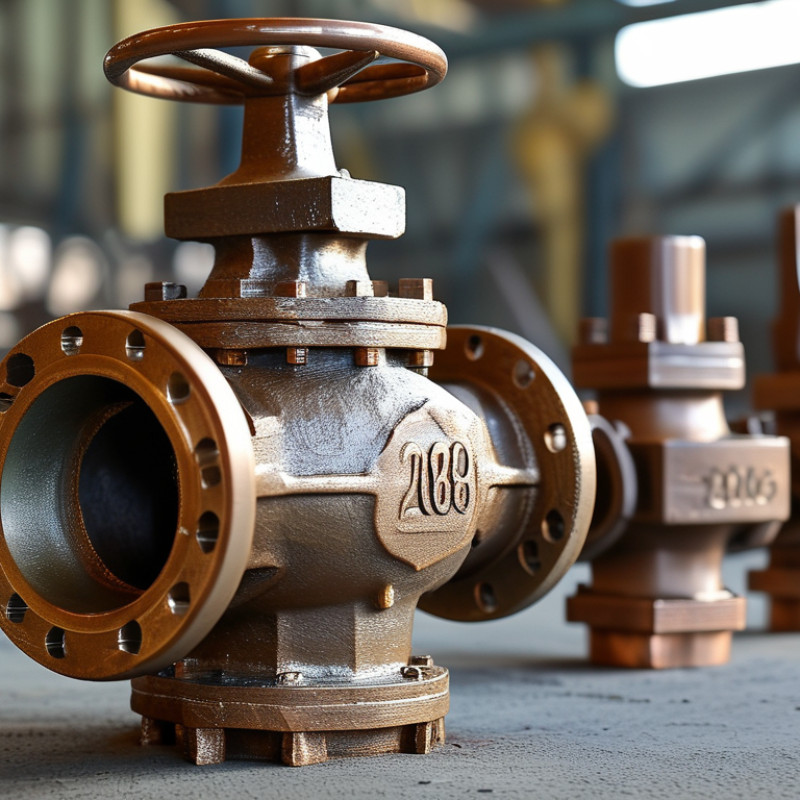
Bronze copper alloys are copper-based materials strengthened with elements such as tin, aluminum, silicon, phosphorus, or nickel. Their color may range from warm reddish gold to a darker brown, depending on composition and processing. The word “bronze” describes a family, not one fixed metal.
Classification usually begins with the main alloying element. Tin bronze offers good wear resistance for bushings, gears, and low-speed bearings. Aluminum bronze provides higher strength and performs well in marine hardware and valve components. Silicon bronze combines corrosion resistance with useful weldability. Phosphor bronze is valued for springs, electrical contacts, and parts needing repeated movement. Leaded bronze can improve machinability, but buyers must check its permitted applications and local requirements.
A second classification separates cast bronze from wrought bronze. Cast grades fill complex molds, while wrought grades are rolled, drawn, or forged into tighter shapes. Temper, hardness, tensile strength, and chemical limits also matter. During sourcing, compare the material certificate with the applicable international or regional standard. A familiar grade name may not mean identical chemistry worldwide. That detail is easy to miss. Real service conditions can also challenge a neat classification, especially where saltwater, vibration, heat, or poor lubrication are present. Ask for test data, dimensional controls, and traceability before selecting a bronze copper alloy for 2026 projects.
| Bronze Alloy Type | Common UNS Designation | Typical Chemical Composition, wt.% | Classification Basis | Approx. Density | Key Performance Characteristics | Machinability | Typical Global Applications | Best Buyer Selection Criteria |
|---|---|---|---|---|---|---|---|---|
| Tin Bronze | C90500 C90700 |
Copper: balance Tin: approximately 5–12 Zinc: commonly 2–7 in gunmetal grades |
Classified primarily by tin content. Tin improves strength, wear resistance and resistance to seawater and many industrial fluids. | Approximately 8.7–8.9 g/cm³ | Good wear resistance, good corrosion resistance, strong bearing performance and good resistance to seizure. Generally suitable for cast components. | Fair to good, depending on tin and zinc content | Bushings, bearings, gears, worm wheels, valve bodies, pump components, marine fittings and heavy-duty castings | Choose when load-bearing capacity, wear resistance and reliable casting performance are more important than maximum electrical conductivity. |
| Phosphor Bronze | C51000 C52100 C54400 |
Copper: balance Tin: approximately 3.5–8.5 Phosphorus: generally about 0.03–0.35 Lead may be present in free-machining grades such as C54400 |
Classified by tin and phosphorus additions. Phosphorus deoxidizes the melt and improves spring, fatigue and wear performance. | Approximately 8.8–8.9 g/cm³ | Excellent fatigue strength, spring properties, corrosion resistance and resistance to stress relaxation. Electrical conductivity is lower than pure copper but adequate for many contacts. | Good for free-machining grades; moderate for standard spring grades | Springs, electrical contacts, clips, diaphragms, fasteners, bushings, precision components and marine hardware | Choose for repeated flexing, vibration, spring action, contact reliability or good resistance to atmospheric and marine corrosion. |
| Aluminum Bronze | C95400 C95500 |
Copper: balance Aluminum: approximately 9–12 Iron: commonly 2–5 Nickel and manganese may be added in selected grades |
Classified by aluminum content and by iron, nickel or manganese additions. Aluminum forms a protective oxide film and raises strength. | Approximately 7.4–7.7 g/cm³ | High strength, excellent resistance to seawater and many chemicals, good wear resistance and good resistance to erosion and cavitation. | Fair; carbide tools and suitable cutting conditions may be required | Marine propellers, valves, pumps, bearings, bushings, shafts, hydraulic components and heavy-duty wear parts | Choose for high strength-to-weight ratio, seawater exposure, erosion resistance or demanding industrial service. |
| Nickel Aluminum Bronze | C63000 C63200 |
Copper: balance Aluminum: approximately 8.5–11.5 Nickel: commonly 3–5.5 Iron: commonly 2–5 |
A nickel- and iron-modified aluminum bronze. The added elements refine the structure and improve strength, toughness and corrosion performance. | Approximately 7.5–7.7 g/cm³ | Very high strength, high toughness, excellent seawater resistance, strong resistance to cavitation and good resistance to dezincification-related conditions. | Fair to difficult, especially in high-strength tempers | Marine propellers, ship components, seawater valves, pump parts, offshore equipment, high-load bearings and aerospace or industrial fittings | Choose for severe marine service, high mechanical loads, cavitation exposure and applications requiring both strength and corrosion resistance. |
| Silicon Bronze | C65500 C65100 |
Copper: balance Silicon: approximately 2–4 Manganese may be present in small amounts |
Classified by silicon additions. Silicon increases strength, fluidity, corrosion resistance and weldability without requiring tin. | Approximately 8.3–8.6 g/cm³ | Good atmospheric and marine corrosion resistance, good weldability, good ductility and attractive warm copper color. It is generally non-sparking. | Moderate | Welding filler wire, architectural hardware, marine fasteners, valves, fittings, decorative components and corrosion-resistant fabricated parts | Choose when weldability, corrosion resistance, non-sparking behavior and a clean copper-colored appearance are required. |
| Manganese Bronze | C67500 C86300 |
Copper: balance Zinc: commonly 20–40 Manganese: approximately 1–4 Aluminum and iron may be added in high-strength grades |
Commonly grouped with copper-based bearing and structural alloys. Many manganese bronzes are technically high-strength brasses because zinc is the principal alloying element. | Approximately 7.5–8.3 g/cm³ | High strength, good impact resistance, good wear performance and useful resistance to corrosion. High-strength cast grades can withstand substantial mechanical loads. | Fair to good, depending on alloy and temper | Heavy-duty bearings, gears, valve stems, marine hardware, structural castings and wear-resistant mechanical components | Choose when high strength and load capacity are needed, but confirm whether the specification requires a true tin bronze or permits a high-strength brass classification. |
| Beryllium Copper | C17200 C17500 |
Copper: balance Beryllium: approximately 1.6–2.0 in C17200 Nickel or cobalt may be used in alternative grades |
A precipitation-hardening copper alloy. It is often included in copper-alloy comparisons, although it is not a conventional bronze classification. | Approximately 8.2–8.4 g/cm³ | Very high strength after heat treatment, excellent fatigue performance, good electrical conductivity, non-sparking behavior and good dimensional stability. | Good after heat treatment; forming is easier in the solution-treated condition | Springs, electrical connectors, switches, precision components, non-sparking tools and high-cycle contact parts | Choose only when its high strength and spring performance justify the material and processing requirements. Control dust and fumes during fabrication. |
| Lead-Free Copper Alloy | Various UNS grades |
Copper: balance Tin, silicon, aluminum, bismuth or other permitted additions may be used Lead: restricted or intentionally absent according to the applicable specification |
Classified according to the primary alloying system and the applicable drinking-water or environmental requirement, rather than by the word “bronze” alone. | Approximately 7.5–8.9 g/cm³ | Can provide good corrosion resistance and regulatory compliance, but strength, machinability and dezincification resistance vary significantly by grade. | Fair to good, depending on alloy design | Potable-water valves, plumbing fittings, pumps, manifolds, meters and components subject to lead-content restrictions | Verify the exact chemical limits, potable-water approval, dezincification resistance and applicable regional requirements before purchasing. |
Tin bronze contains mainly copper and tin. It supports wear resistance and smooth sliding. Phosphor bronze adds phosphorus for spring response and fatigue resistance. Aluminum bronze uses aluminum for higher strength and corrosion resistance. Silicon bronze includes silicon and resists atmospheric corrosion. Small chemistry changes can matter.
Tin bronze is commonly used for bushes, gears, and sliding parts. It can perform steadily under repeated movement. However, hardness must match the load and lubrication. The wrong hardness may cause seizure. That risk is easy to overlook.
Aluminum bronze suits high-load parts and seawater-facing equipment. It offers strong corrosion resistance and useful pressure performance. Buyers may consider it for marine fittings, valves, and heavy-duty components. Check the exact alloy range. “Aluminum bronze” alone is too general.
Phosphor bronze provides spring response, wear resistance, and fatigue performance. It can suit electrical contacts and precision springs. The design should consider repeated bending and contact pressure. Testing matters. Names do not prove performance.
Start with load, speed, temperature, lubrication, and corrosion exposure. Then compare chemical limits, strength, hardness, elongation, and tolerances. Confirm the product form, such as bar, tube, plate, casting, or finished part. Equivalent grades may not be identical. This is where comparisons often become weak.
Request a material certificate, heat number, inspection results, and traceable production records. Ask for chemical analysis and mechanical test values. Review surface condition and dimensional measurements. Confirm how samples were tested. A simple “passed” statement is not enough.
Review sample dimensions, casting defects, machining allowance, packaging, and delivery records. Inspect bushings for surface damage and uneven machining. For marine parts, examine corrosion-related surface conditions. Ask for recent inspection reports. Check again.
No. A cheaper alloy may pass basic composition testing yet fail under vibration or saltwater exposure. Replacement costs can exceed the original savings. Approve a representative sample before volume production. Record acceptance limits and deviations. I may overvalue price sometimes, but service conditions matter more.
Bronze Copper alloys are copper-based materials strengthened with elements such as tin, aluminum, silicon, manganese, or phosphorus. Their classification depends mainly on chemical composition, manufacturing method, and intended performance. For global buyers, the most important types include tin bronze for wear resistance and machinability, aluminum bronze for strength and corrosion resistance, silicon bronze for marine and architectural applications, and phosphor bronze for springs, electrical components, and precision parts. Each type offers a different balance of hardness, ductility, conductivity, durability, and resistance to heat or seawater.
International purchasing requires careful attention to standards, dimensional tolerances, chemical composition, mechanical properties, surface condition, and inspection documentation. Buyers should compare grades according to operating environment, load, temperature, corrosion exposure, processing needs, and total cost rather than choosing solely by price. Clear specifications, sample testing, traceable quality records, and reliable communication with qualified suppliers can help ensure that the selected Bronze Copper alloy meets both technical requirements and applicable international standards.

 Kepai New Material