When considering the purchase of an Oxygen Free High Conductivity Tellurium Copper Rod, it is essential to seek expert insights. Leading industry expert, Dr. Emily Chen, noted, "The quality of tellurium copper directly impacts performance in electrical applications." This statement underscores the significance of selecting the right material for optimal results.
Oxygen Free High Conductivity Tellurium Copper Rods are prized for their electrical efficiency and formability. Industries rely on these rods for their conductivity and resistance to fatigue. Choosing the right supplier ensures you obtain high-quality materials that can enhance your project's success.
However, navigating the market can be overwhelming. It’s crucial to evaluate various factors like purity and application suitability. Mistakes in selection can lead to performance issues. Therefore, understanding the specifics of Oxygen Free High Conductivity Tellurium Copper Rods is vital for making informed decisions. Investing time in research can prevent future regrets.
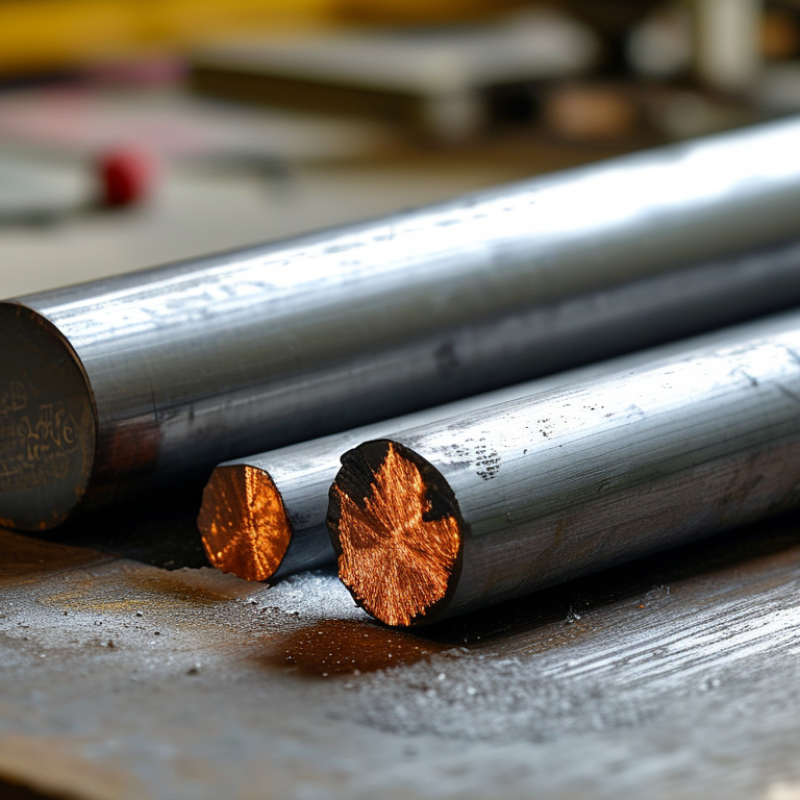
Oxygen Free High Conductivity (OFHC) Tellurium Copper is renowned for its superior conductivity and mechanical properties. This alloy contains a small amount of tellurium, enhancing its machinability without significantly compromising its conductivity. The low oxygen content helps to prevent the formation of oxides, ensuring high performance in electrical applications. Many industries rely on OFHC copper rods due to their reliability and efficiency.
When selecting OFHC Tellurium Copper rods, consider their applications. These rods are widely used in electrical connectors, circuit boards, and high-performance computing. Proper processing can affect their properties, so it’s crucial to choose the right specifications based on your needs. Keep in mind that while OFHC rods are highly conductive, they can be susceptible to cracking under certain conditions. Surroundings with mechanical stress may pose challenges.
Sourcing OFHC copper materials requires careful evaluation of suppliers. Not all offerings are equal, and variations can impact performance. Make sure to verify certifications and conductivity ratings to ensure reliability. Open communication with suppliers about your requirements can lead to better results. Future developments may improve manufacturing processes and reduce costs, making these rods more accessible. Always be prepared to reassess your choices in this evolving landscape.
| Dimension (mm) | Weight (kg/m) | Conductivity (% IACS) | Application |
|---|---|---|---|
| 10 | 0.785 | 100 | Electrical Connectors |
| 15 | 1.178 | 101 | Industrial Applications |
| 20 | 1.570 | 102 | Aerospace Components |
| 25 | 1.963 | 103 | Telecommunication |
Tellurium copper is a vital material in electrical applications. It is known for its excellent conductivity and mechanical properties. The addition of tellurium enhances the ductility and machinability of copper. This makes it an ideal choice for manufacturing electrical connectors and other components. The fine balance between conductivity and workability is a significant advantage.
In various environments, tellurium copper demonstrates superior resistance to fatigue. This characteristic is crucial in applications where reliability is paramount. It maintains performance even under stress, reducing the likelihood of failure. However, sourcing high-quality tellurium copper can sometimes be challenging. Understanding the specific properties is essential for making informed decisions.
Machining this alloy requires skill. Its unique composition can lead to varying results in different conditions. Some users may notice slight differences in performance based on their specific application. It is important to reflect on these variations to optimize use. Careful evaluation of tellurium copper's properties ensures you achieve optimal results.
This bar chart compares the electrical conductivity of Tellurium Copper with other copper alloys. Tellurium Copper is known for its excellent conductivity, making it suitable for various electrical applications.
When selecting tellurium copper rods, several factors demand attention. Conductivity is paramount. Oxygen-free tellurium copper offers superior electrical properties, with over 100% IACS conductivity. Choose rods with high purity levels; impurities can drastically reduce performance.
Mechanical properties matter, too. According to industry reports, tellurium copper possesses excellent tensile strength and ductility. Ensure the rod's specifications align with your application, especially if thermal resistance is vital.
Look for the certifications that verify the material's quality. Industry standards, such as ASTM B243, can guide your selection. Low quality can lead to higher failure rates in critical applications.
When making a decision, consider cost-effectiveness. Sometimes, lower-priced options may compromise quality. Reflect on the potential long-term disadvantages. Investing in reliable materials can save significant costs in repairs and replacements. It's worth the effort to evaluate all these aspects before making a purchase.
When selecting oxygen free high conductivity tellurium copper rods, understanding the market and manufacturers is crucial. Top brands in the industry focus on quality and purity. According to a recent market analysis, the demand for oxygen free copper materials has increased by 4.5% annually. This growth is driven by technological advancements and the need for efficient electrical conductivity.
The best suppliers emphasize stringent manufacturing processes. They ensure the rods have a minimum conductivity rating of 101% IACS. This is significant for industries that rely on optimal conductivity for performance. Reports indicate that variations in copper quality can affect overall project outcomes, impacting projects using components such as connectors and wiring.
Choosing a reliable manufacturer also involves looking at their certifications. Compliance with international quality standards ensures the products are trustworthy. Sellers should provide transparency in sourcing and testing results. Potential buyers should ask for documentation that confirms the purity and conductivity of the rods. Engaging with reputable manufacturers reduces the risk of acquiring subpar products that could jeopardize efficiency in applications.
When it comes to storing and maintaining tellurium copper rods, proper practices can significantly enhance their lifespan and performance. Industry data suggests that the conductivity of these rods can decline if not stored properly. They should be kept in a dry environment, away from moisture or chemicals that could corrode the surface. It's important to use desiccants in storage areas to control humidity levels.
Tips for storage include using plastic or cardboard containers to prevent scratches. This method protects the rods from physical damage. Keep them horizontally stacked with sufficient space to avoid compression. Avoid exposing the copper rods to extreme temperatures, as thermal expansion can compromise their integrity.
For maintenance, regular inspections are crucial. Look for oxidation or tarnishing on the surface, which can impact conductivity. If oxidation occurs, cleaning with a soft cloth can help restore their conductivity. Some experts recommend using specialized cleaning agents that don't damage the copper.
Although these practices are effective, there is always room for improvement. Users often overlook the effects of environmental conditions. Understanding why these factors matter can lead to better storage solutions and maintenance routines. Keeping up with industry standards and technical reports will ensure that you are aware of best practices.
: It's an alloy known for excellent conductivity and mechanical properties, with enhanced machinability.
It's widely used in electrical connectors, circuit boards, and high-performance computing applications.
Evaluate their applications and processing requirements to ensure optimal performance and specifications.
Yes, they may crack under mechanical stress, especially in challenging environments.
Very important. Variations in offerings can impact performance; ensure certifications and reliability.
It enhances ductility and machinability, making copper ideal for electrical components.
It shows superior resistance to fatigue, crucial for reliability in demanding applications.
No, it requires skill and can yield different results in varying conditions.
Users should consider slight performance variations based on specific applications for optimization.
Yes, advancements may reduce costs and enhance availability, making it more accessible.
The article "2026 Top Oxygen Free High Conductivity Tellurium Copper Rod Buying Guide" provides a comprehensive overview of Oxygen Free High Conductivity Tellurium Copper Rods, emphasizing their unique properties and significant advantages in electrical applications. The guide delves into the key features of tellurium copper, such as its excellent electrical conductivity, enhanced machinability, and improved resistance to stress corrosion, making it an ideal choice for various industrial uses.
Additionally, the article highlights critical factors to consider when selecting these rods, including their dimensions, purity levels, and specific applications. It also outlines best practices for the storage and maintenance of Oxygen Free High Conductivity Tellurium Copper Rods, ensuring their longevity and performance. By understanding the top manufacturers in the market and following these guidelines, consumers can make informed decisions when purchasing these valuable materials.
Kepai New Material