Oxygen Free High Conductivity Tellurium Copper is a remarkable material in various industries. It combines excellent electrical conductivity and resistance to corrosion. This unique copper alloy is essential in applications like electronics and telecommunications.
When selecting the best options for 2026, several factors must be considered. High conductivity is critical for efficiency. However, the sourcing and manufacturing processes can impact quality. It’s vital to choose reliable suppliers who focus on quality control.
The performance of Oxygen Free High Conductivity Tellurium Copper varies. Some products may not reach expected standards. Users must research and compare options carefully. Finding the right balance between cost and quality can be challenging. By doing so, one can ensure they are investing in a reliable product that meets specific needs.
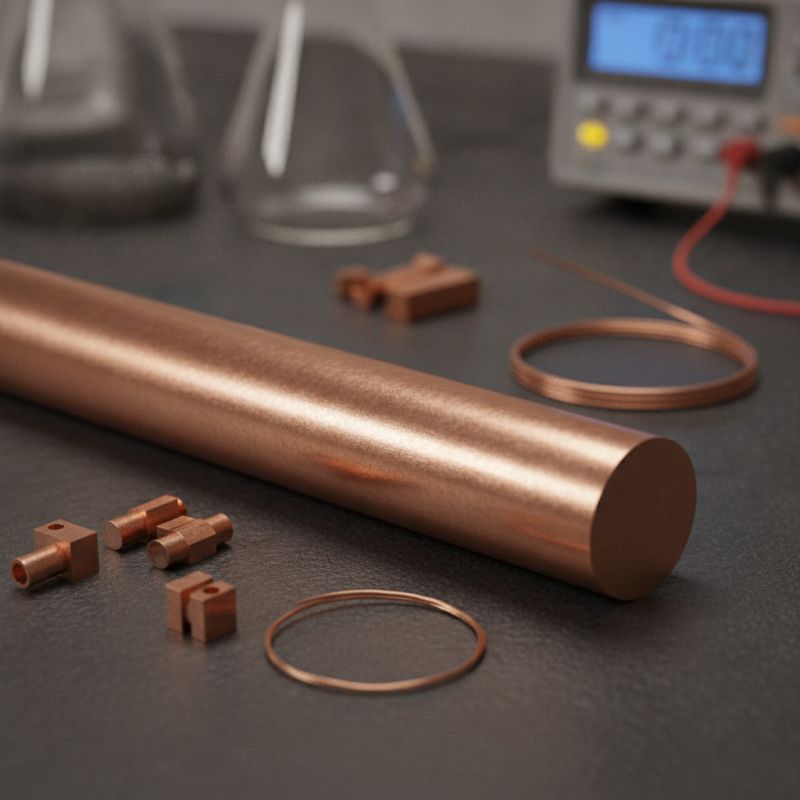
Oxygen Free High Conductivity Tellurium Copper (OFHC-Te) is a premium alloy known for its excellent electrical and thermal conductivity. It’s prized in industries requiring high performance in power distribution and electronics. Unlike standard copper, this alloy contains minimal oxygen, preventing the formation of unwanted oxides. This characteristic ensures better reliability and long-term stability in various applications.
When considering OFHC-Te, it's essential to understand its unique properties. The tellurium addition enhances machinability while maximizing conductivity. This makes it an ideal choice for precision components like connectors and circuit boards. However, sourcing quality material can be challenging. Not all suppliers adhere to rigorous standards, which can impact performance.
**Tips:** Always verify the alloying process and purity levels. Look for certifications from trusted organizations. When designing components, consider the specific conductivity requirements. Balancing performance with cost is crucial, especially for large-scale projects. Ensure your vendor is reliable to avoid unexpected failures down the line.
| Property | Value | Notes |
|---|---|---|
| Electrical Conductivity | 100% IACS | Excellent conductivity |
| Tensile Strength | 210 MPa | High strength for electrical applications |
| Yield Strength | 110 MPa | Suitable for machining |
| Density | 8.89 g/cm³ | Relatively high density |
| Thermal Conductivity | 380 W/m·K | Excellent heat dissipation |
| Corrosion Resistance | Moderate | Best in non-harsh environments |
| Machinability Rating | 85% | Easily machined |
Tellurium copper is a popular choice in electrical applications due to its excellent conductivity. Its ability to maintain high performance under various conditions makes it a staple material for many industries. Electricians and engineers favor tellurium copper for its ease of machineability, which improves production efficiency. Moreover, the material's resistance to corrosion adds to its durability.
While selecting tellurium copper, consider its unique properties. It combines high thermal and electrical conductivity with unmatched strength. This ensures optimal performance in critical circuitry. However, it’s essential to be cautious about impurities in copper. Even slight variations can affect conductivity significantly.
Tips: Always check the composition of the copper alloy. A small deviation can lead to poor electrical performance. Consider the application’s specific requirements before making a choice. Thorough testing can prevent costly failures in electric assemblies.
When exploring options for oxygen-free high conductivity tellurium copper in 2026, several key manufacturers stand out. These companies are renowned for their innovative approaches and commitment to quality. They focus on producing materials that boast superior electrical conductivity and thermal properties. Tellurium copper is essential in various applications, including electrical components and circuit boards. The demand for high-performance materials in industries such as aerospace and automotive continues to rise.
In 2026, leading manufacturers will offer a range of tellurium copper products tailored to different industry needs. Their offerings will likely include various shapes like rods, plates, and bars at different purity levels. Some companies may even introduce enhancements for corrosion resistance. This focus on product versatility reflects the need for specialized solutions in competitive markets. Several firms are also prioritizing sustainable practices, a trend that may define future offerings.
However, evaluating these products can be challenging. Not all tellurium copper is produced equally, even among reputable manufacturers. Testing for specific properties can be inconsistent. Quality assurance measures vary widely. Buyers must conduct thorough research and possibly seek samples before commitment. Understanding individual material specifications is crucial for safe applications. The evolving landscape of tellurium copper demands continuous learning and adaptation from both manufacturers and end-users.
In the world of conductive materials, tellurium copper stands out for its high electrical and thermal conductivity. Comparative analysis indicates that tellurium copper can exceed 100% IACS, making it superior to many alternatives. This metal is particularly favored in applications where performance is critical, such as in electrical contacts and connectors.
When evaluating other conductive materials, copper and aluminum often come to mind. Copper, while well-known, doesn't always match the corrosion resistance of tellurium copper. Aluminum, on the other hand, is lighter and cheaper but significantly less conductive. A report by the Copper Development Association states that tellurium copper has a conductivity of about 30% higher than aluminum in similar forms.
Tips: Consider the operating conditions before selecting a material. In harsh environments, tellurium copper's resistance to corrosion could be a crucial advantage. It’s also worth noting that while tellurium copper offers excellent properties, its cost can be higher. Evaluate your project’s budget versus performance needs closely. Always analyze environmental impacts, as tellurium extraction has been critiqued for sustainability issues.
Oxygen-free high conductivity copper (OFHC) is gaining traction across several industries due to its remarkable electrical and thermal conductivity properties. This specialized metal is essential in applications where efficiency is paramount. Industries such as aerospace, electronics, and telecommunications rely on OFHC for its superior performance. These sectors use it in components like connectors, circuit boards, and high-frequency cables.
In the aerospace industry, OFHC is crucial for lightweight, high-performance applications. It's used in wiring for aircraft systems. The focus is on improving reliability while minimizing weight. Similarly, the electronics sector utilizes OFHC in high-end audio equipment. The demand for pure materials leads to enhanced sound clarity.
However, sourcing OFHC materials can be a challenge. Not all suppliers guarantee the same level of purity. This inconsistency can lead to performance issues in critical applications. Often, engineers face dilemmas when weighing cost against quality. Making informed choices is key to success in these fields.
: It is a premium alloy known for excellent electrical and thermal conductivity.
Its minimal oxygen content prevents oxides, ensuring reliability and long-term stability.
Tellurium improves machinability and maximizes conductivity for precision components.
Not all suppliers maintain high standards, affecting performance and quality.
Impurities can significantly impact conductivity and lead to unexpected failures.
It's widely used in aerospace, electronics, connectors, and circuit boards.
It maintains high performance and reliability across different environments.
Evaluating specific conductivity requirements and balancing performance with costs is crucial.
Small deviations in material composition can lead to poor performance.
Thorough testing ensures that components meet the required specifications before use.
Oxygen Free High Conductivity Tellurium Copper is a superior conductive material widely recognized for its excellent electrical performance and reliability. This article delves into its key properties and benefits, emphasizing why it is preferred in various electrical applications. With a focus on the purity and conductivity levels of this alloy, the discussion highlights its advantages over other conductive materials in terms of durability and efficiency.
Additionally, the article examines the leading manufacturers in 2026 and their innovative product offerings, providing insights into the latest advancements in the market. A comparative analysis of Oxygen Free High Conductivity Tellurium Copper against other conductive materials showcases its unique qualities, while the exploration of its applications across different industries underscores its significance in modern engineering and technology.

Kepai New Material