2026 Best CW106C CrZrCu Material Supplier?

Time:2026-11-16 Author:Sophia
0%

In 2026, choosing a supplier for Cw106c Crzrcu Material means looking beyond a polished catalog. This chromium-zirconium copper alloy is often considered where electrical conductivity and strength must coexist. Yet grade names alone do not confirm composition, temper, or suitability for a specific component. Ask how each batch is identified, tested, and protected during storage and transport. Details matter. Even a small mismatch in thickness or temper can disrupt machining, forming, or assembly. Supplier claims should be checked against current technical documents, not repeated as guarantees.

This guide outlines practical ways to compare manufacturers and distributors in the 2026 market. Look for traceable mill certificates, stated chemistry ranges, mechanical data, and conductivity results tied to the supplied lot. Confirm available forms, dimensions, tolerances, minimum order quantities, and realistic lead times before requesting a quote. If the application involves heat, contact wear, or current-carrying parts, share operating conditions with the supplier. A capable technical team should explain trade-offs and identify what still needs validation. That response is useful. Samples and independent testing may still be necessary; a datasheet cannot reproduce your production line. No supplier is best for every project. The right choice depends on verified consistency, communication, and fit with the part’s actual requirements.
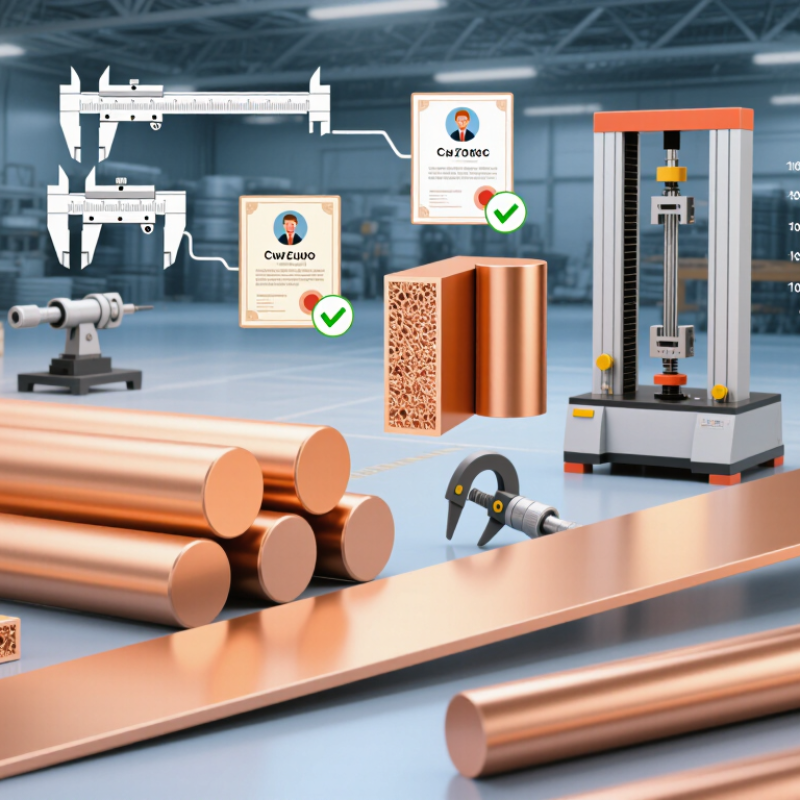
2026 Best CW106C CrZrCu Material Supplier?

What Is CW106C CrZrCu and How Is It Classified?

CW106C CrZrCu is a wrought copper alloy strengthened with chromium and zirconium. In European designation practice, “CW” identifies a wrought copper material, while “106C” specifies the particular grade. Its composition is commonly described as CuCr1Zr. That shorthand signals a copper base with controlled chromium and zirconium additions, not a pure copper grade.

The alloy is generally classified as precipitation-hardenable copper. Heat treatment can form fine particles that increase strength while retaining useful electrical and thermal conductivity. The balance depends on processing. That matters. A soft, annealed bar and a heat-treated plate may behave differently during machining or service, even when both carry the CW106C designation. Do not judge suitability from the alloy name alone.

When checking a material, compare its stated standard, chemical analysis, product form, and temper. A mill certificate should identify the grade and provide traceable test information. Cross-reference designations carefully; similar CuCrZr names do not automatically guarantee identical limits or condition. This detail is easy to miss. For a real application, confirm properties against the relevant standard and the supplier’s documentation, especially when conductivity, strength, or dimensional stability is critical.

Key Properties and Standards of CW106C CrZrCu

2026 Best CW106C CrZrCu Material Supplier?
Key Properties and Standards of CW106C CrZrCu
CW106C is a precipitation-hardenable copper-chromium-zirconium alloy, commonly identified as CuCr1Zr. EN 12163 covers copper-alloy rods for general purposes; the applicable product standard depends on the supplied form. The European standard’s composition limits identify chromium and zirconium as controlled additions, while copper forms the balance. Check the material certificate against the specified standard and product condition. A matching alloy name alone is not enough.
Conductivity and strength make this alloy useful for resistance-welding electrodes, current-carrying components, and tooling exposed to heat. The Copper Development Association’s alloy data for C18150, a commonly referenced CrZrCu counterpart, reports electrical conductivity near 80% IACS. That figure is useful for comparison, not a guarantee for every CW106C product. Heat treatment, section size, and temper can shift measured results. Small details matter.
For purchasing, request composition, hardness, tensile properties, conductivity, and traceability on the inspection certificate. Standards such as EN 12163 define product requirements, but mechanical limits vary with form and condition. A bar and a forged block may not share identical values. There is a practical wrinkle: suppliers sometimes quote typical data as though it were guaranteed. Confirm the test method and acceptance limits before comparing offers.

Common Applications and Processing Requirements

CW106C CrZrCu is used where parts must carry current, shed heat, and withstand repeated contact. Typical applications include resistance-welding electrodes, current-carrying holders, electrical contacts, and high-heat tooling. Copper Development Association data for the related C18150 alloy reports electrical conductivity near 80% IACS and thermal conductivity around 330 W/m·K. These figures are useful screening values, not guaranteed results for every CW106C product. Check the material certificate, product form, and temper before specifying a component.

A small mismatch matters.

Processing starts with the required strength-conductivity balance. CrZrCu is commonly solution treated, quenched, and precipitation aged; the final properties depend on the actual cycle and section size. Machining can generate heat, so sharp tools, steady feeds, and suitable coolant help limit distortion. For welded or brazed assemblies, qualify the joint process on representative material: heat can soften the aged zone. ASTM B601 temper designations help describe copper-alloy condition, but they do not replace measured acceptance limits.

One detail is easy to miss.

Verify hardness and conductivity after processing, especially on thick sections or electrode tips. Suppliers should state test methods, tolerances, and delivery condition clearly. Even careful specifications can leave uncertainty if the finished part’s operating temperature and cooling path are not defined.

How to Evaluate a CW106C CrZrCu Material Supplier in 2026

A reliable CW106C CrZrCu supplier should prove material identity, not just quote an alloy name. Request a batch-specific certificate showing chemical composition, product form, temper, and test methods. Compare chromium and zirconium results with the applicable CW106C specification, and check that the heat number follows the material through cutting and packing. Ask for raw data. A polished certificate without traceable test results is weak evidence.

Electrical conductivity is a useful cross-check, but it depends on processing and test conditions. The International Annealed Copper Standard sets 100% IACS at 58 MS/m at 20°C; this is a reference point, not a target for CrZrCu. The Copper Development Association’s C18150 technical data reports conductivity around 80% IACS for that related copper alloy. Treat it as context, not proof that a CW106C batch meets your requirements. One detail is easy to miss: confirm the supplier’s measurement temperature and method before comparing figures.

For demanding applications, ask for hardness and tensile results alongside conductivity, plus records of heat treatment where relevant. Request a sample from the same production route as the quoted stock, then verify dimensions and surface condition on arrival. An independent laboratory check can help when data conflict. It adds time and cost, but guessing from a datasheet can cost more. A supplier who explains variation clearly may be more dependable than one promising identical results for every batch.

Supplier Verification, Quality Control, and Delivery Factors

2026 Best CW106C CrZrCu Material Supplier?

Supplier Verification, Quality Control, and Delivery Factors

Choosing a CW106C CrZrCu supplier requires more than comparing prices. Verify that the supplier can provide traceable material certificates linked to the actual batch. Check that the stated chemistry, temper, dimensions, and mechanical or electrical properties match your specification. A tidy certificate is useful, but it is not proof by itself. Ask how test results are produced and recorded.

Quality control should reflect how the material will be used. Request inspection records for dimensions, surface condition, and relevant performance tests. For critical parts, agree on sampling and acceptance criteria before production begins. Keep the requirements specific. “Good quality” is not measurable, and I have seen vague specifications create avoidable disputes. Even a clear checklist may miss something.

Delivery deserves equal attention. Confirm stock status, production lead time, packing method, and how batch identification stays attached through shipment. Ask for protective wrapping and sturdy edge protection when sheets or bars could be scratched or bent. Request updates if the schedule changes. A supplier may have strong inspection practices yet still communicate poorly; that weakness matters when production plans are tight.

2026 Best CW106C CrZrCu Material Supplier?

Supplier verification, quality control, and delivery factors — an illustrative procurement scorecard.

Suggested evaluation weights for comparing suppliers, not measured supplier results. Verify material certificates, chemistry and test records, traceability, and delivery performance against your requirements.

FAQS

What is CW106C CrZrCu?

It is a precipitation-hardenable copper alloy containing chromium and zirconium. Copper makes up the balance.

Which standard should I check for CW106C?

EN 12163 covers copper-alloy rods for general purposes. Requirements depend on the supplied product form and condition.

What information should a material certificate include?

Request chemical composition, product form, temper, test methods, and batch traceability. Check the heat number through cutting and packing.

What conductivity can I expect from CrZrCu?

A related CrZrCu alloy is reported near 80% IACS. Treat this as context, not a guarantee for every CW106C batch.

Why can strength and conductivity vary between batches?

Heat treatment, section size, and temper can affect measured results. Small details matter.

What tests help verify a supplier’s material?

Ask for hardness, tensile properties, and conductivity results. Confirm measurement methods and acceptance limits before comparing quotations.

Should I inspect a sample before ordering?

Yes. Request a sample from the same production route, then check its dimensions and surface condition on arrival.

When might an independent laboratory check be useful?

Consider one when certificate data conflict or seem unclear. It adds time and cost, but a datasheet alone may not settle doubts.

Conclusion

Choosing the right Cw106c Crzrcu Material supplier in 2026 starts with understanding the alloy’s classification, composition, and intended use. Buyers should compare documented mechanical, electrical, and thermal properties against the relevant material standards and the requirements of their application. Common uses may involve demanding electrical or thermal components, where strength, conductivity, wear resistance, and reliable performance during processing all matter. A supplier should be able to explain suitable forming, machining, and heat-treatment considerations for the requested product form.

A careful evaluation should also cover traceability, inspection procedures, test documentation, and consistency between batches. Confirm that specifications, dimensions, tolerances, and certificates match the purchase requirements, and ask how any nonconforming material is handled. Delivery capacity, packaging, communication, and lead-time reliability are equally important when planning production. By assessing technical capability alongside quality control and logistics, buyers can make a more informed supplier choice and reduce the risk of material mismatches or avoidable delays.


Sophia

Sophia

Sophia is a dedicated marketing professional with an exceptional depth of knowledge about her company's products and services. With a keen understanding of market trends and customer needs, she crafts insightful blog posts that not only inform but also engage readers, enriching the company’s online......